Quick answer: Acne treatment uses medication, laser, chemical peels and microdermabrasion to clear breakouts and reduce the risk of scarring. The right option depends on your acne type and severity, so a doctor assesses your skin first. Mild acne often responds to topical medicines, while moderate to severe or stubborn acne may need oral treatment such as isotretinoin.
CLEO clinic®
Acne Treatment
Achieve Clear Skin Today
At CLEO clinic in Kuala Lumpur, our doctors use medication, laser and peel treatments, often in combination. Each case is assessed separately, so the first step is a consultation. Start treatment as soon as inflamed acne appears, to lower the risk of permanent scarring.
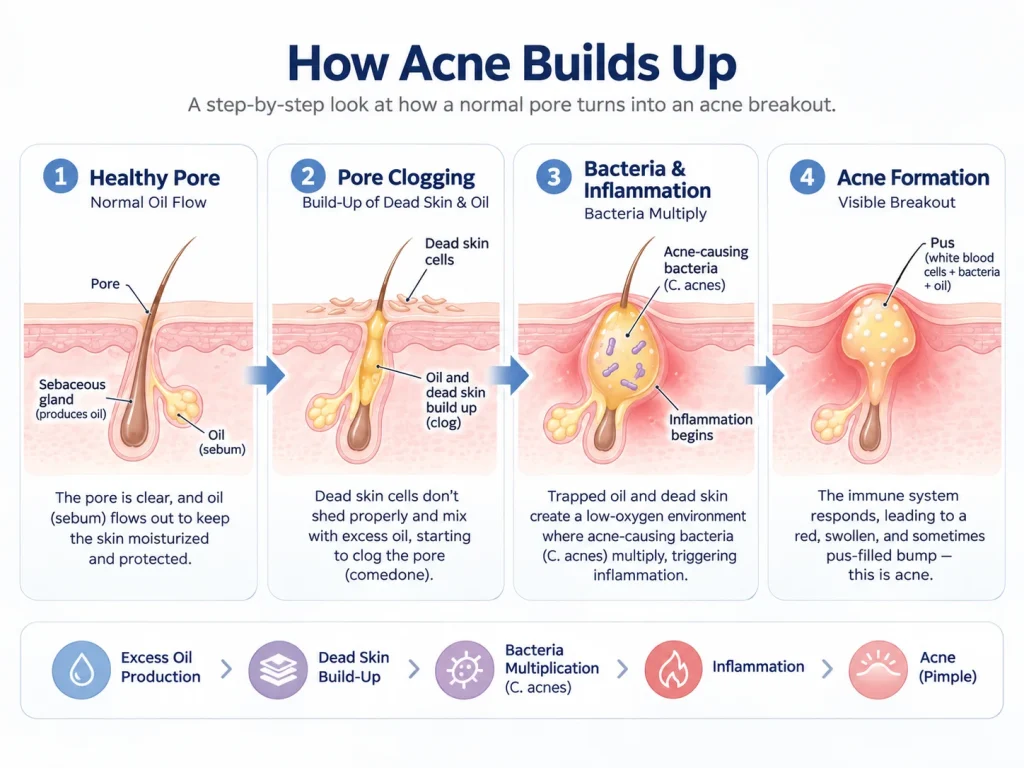
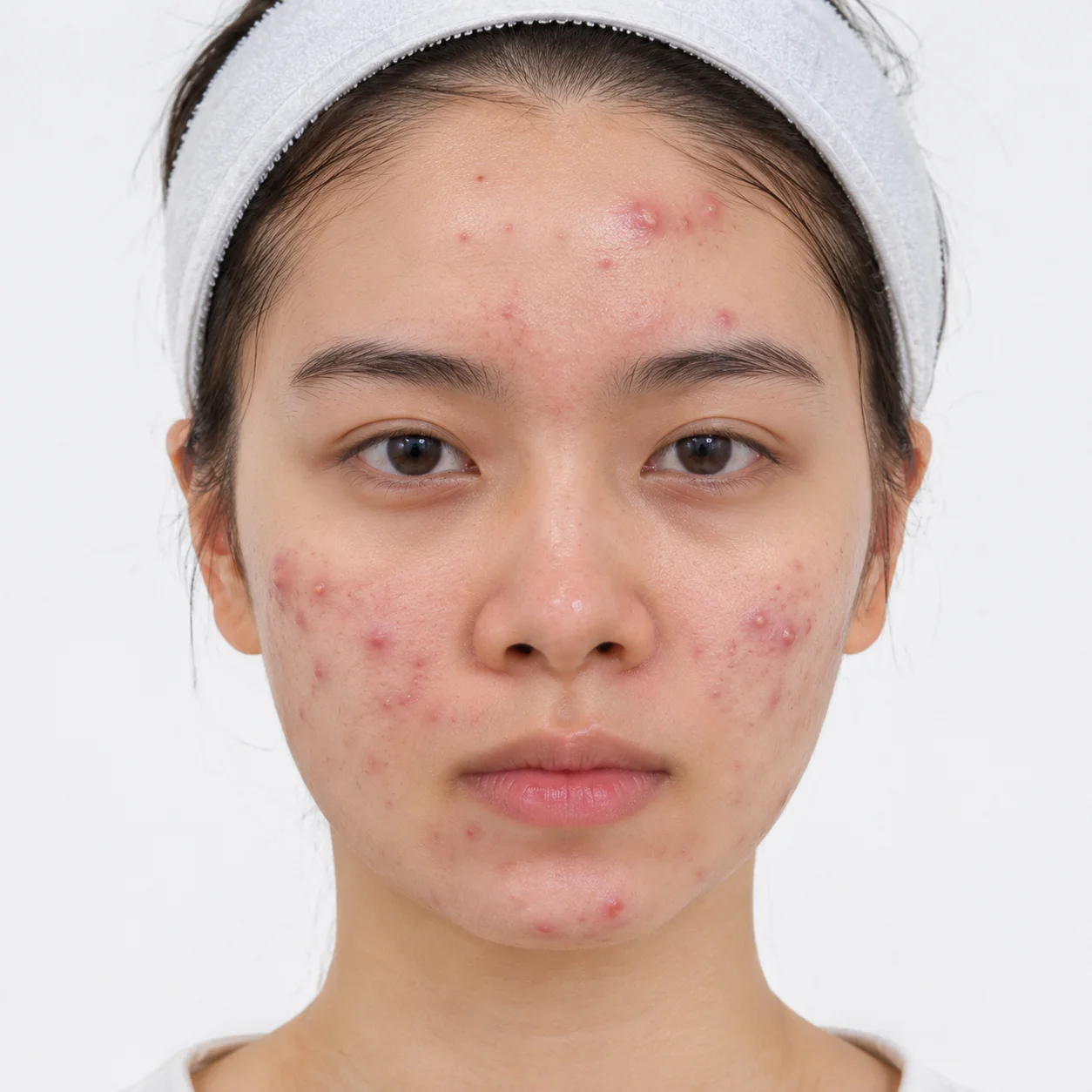
Acne, or acne vulgaris, is one of the most common skin conditions. It appears as blackheads, whiteheads, red bumps, pus-filled spots and deeper lumps. It often starts during puberty, when the sebaceous glands become more active. These glands produce sebum, an oily substance that keeps the skin lubricated. Excess sebum, dead skin cells and bacteria can block a pore, and the blockage becomes a visible spot when it becomes inflamed.
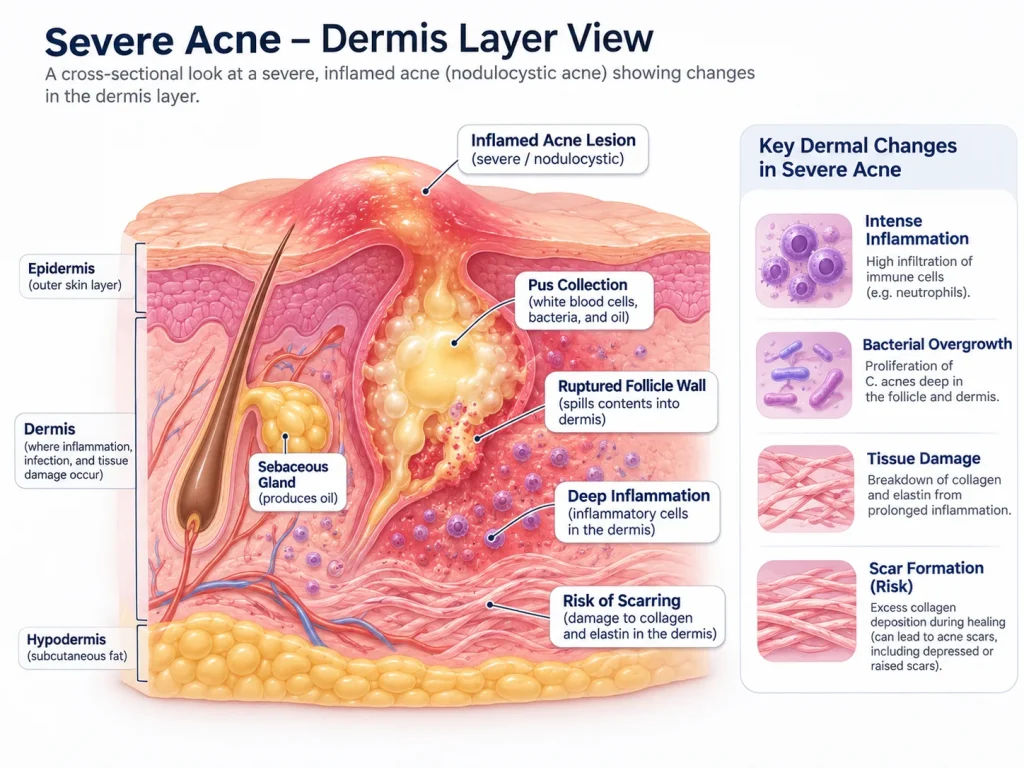
The main harm is physical and emotional. Inflamed or deep acne can cause pain, persistent redness, dark marks and permanent scarring. Scars are harder to treat than active spots, which is why early treatment matters. Acne can also affect confidence and daily life. If your breakouts are affecting how you feel about your skin, a doctor can help.
Treating acne is often a long journey, and it can take a toll on your confidence. Our aim is to help you reach clear skin that you are happy with. We are here to support you at each step, from the first consultation to maintenance. If your breakouts keep coming back, the guide to the best time to see a dermatologist for acne explains when to act.
Mild inflammatory acne is often treated with over-the-counter products such as benzoyl peroxide, salicylic acid or azelaic acid, or with prescription retinoids and topical antibiotics. Topical treatment is usually the first step and works best with a consistent routine. Medical guidance recommends retinoids and antimicrobials as the main topical options (Kraft and Freedman, PubMed Central, 2011).
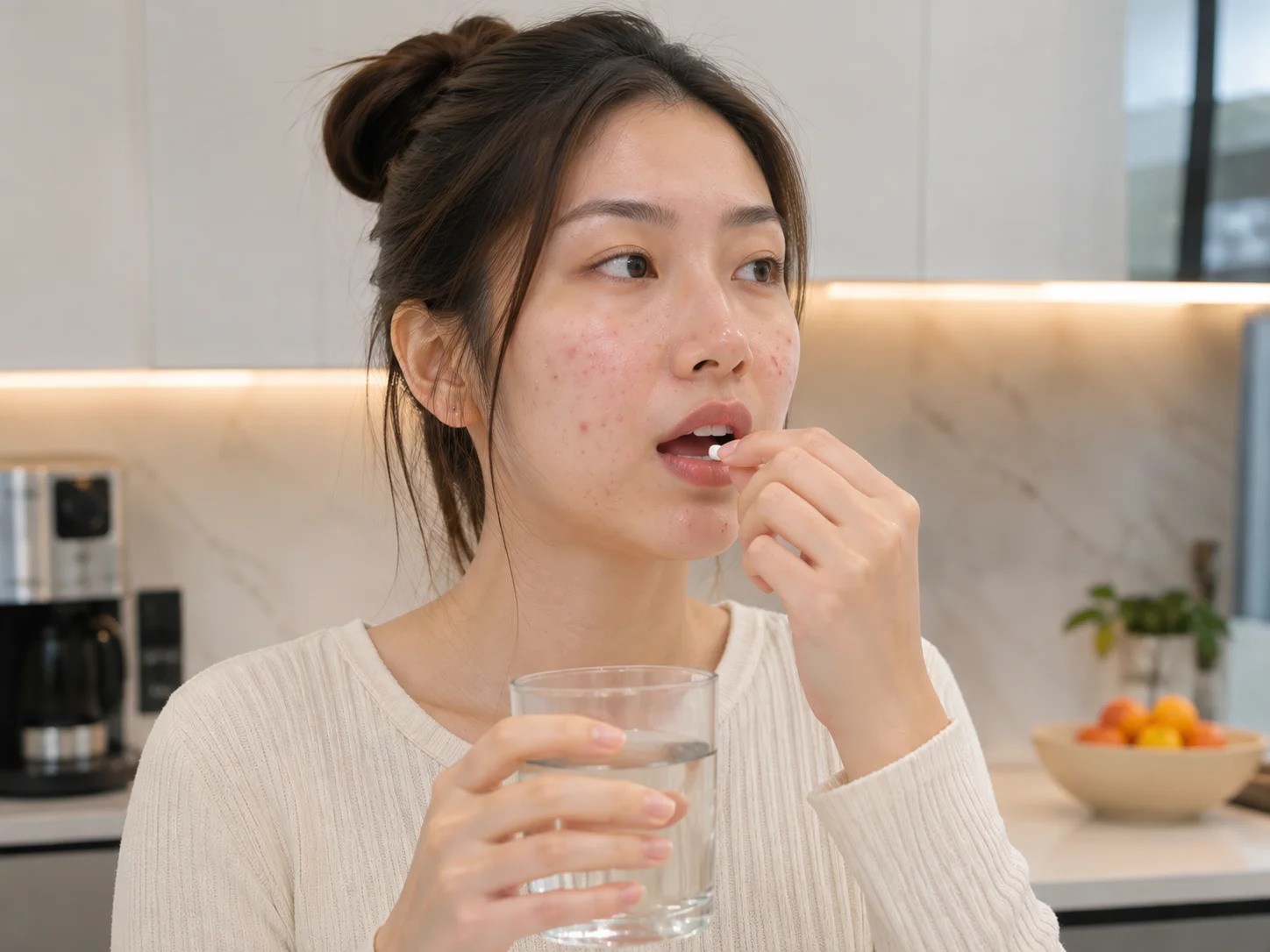
Moderate to severe or stubborn acne may need oral antibiotics such as doxycycline or minocycline, hormonal treatment, or isotretinoin. Isotretinoin requires strict monitoring and cannot be used during pregnancy. Read our isotretinoin in Malaysia guide before deciding.
How It Helps:
Target active bacteria & reduce inflammation
Regulate cell turnover to clear blocked pores
Control systemic sebum and hormonal triggers
Option 02
Acne Clear Laser Treatment
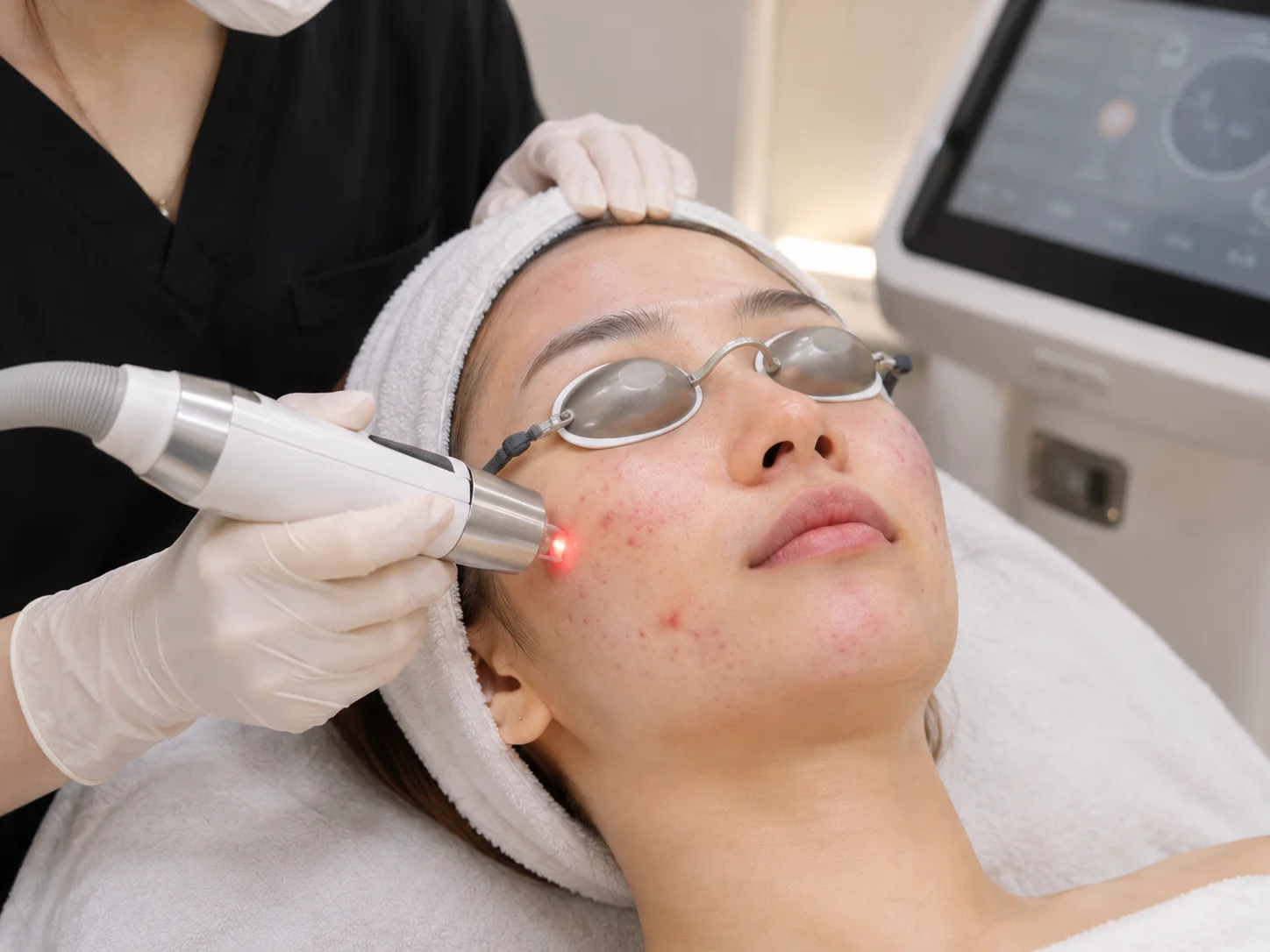
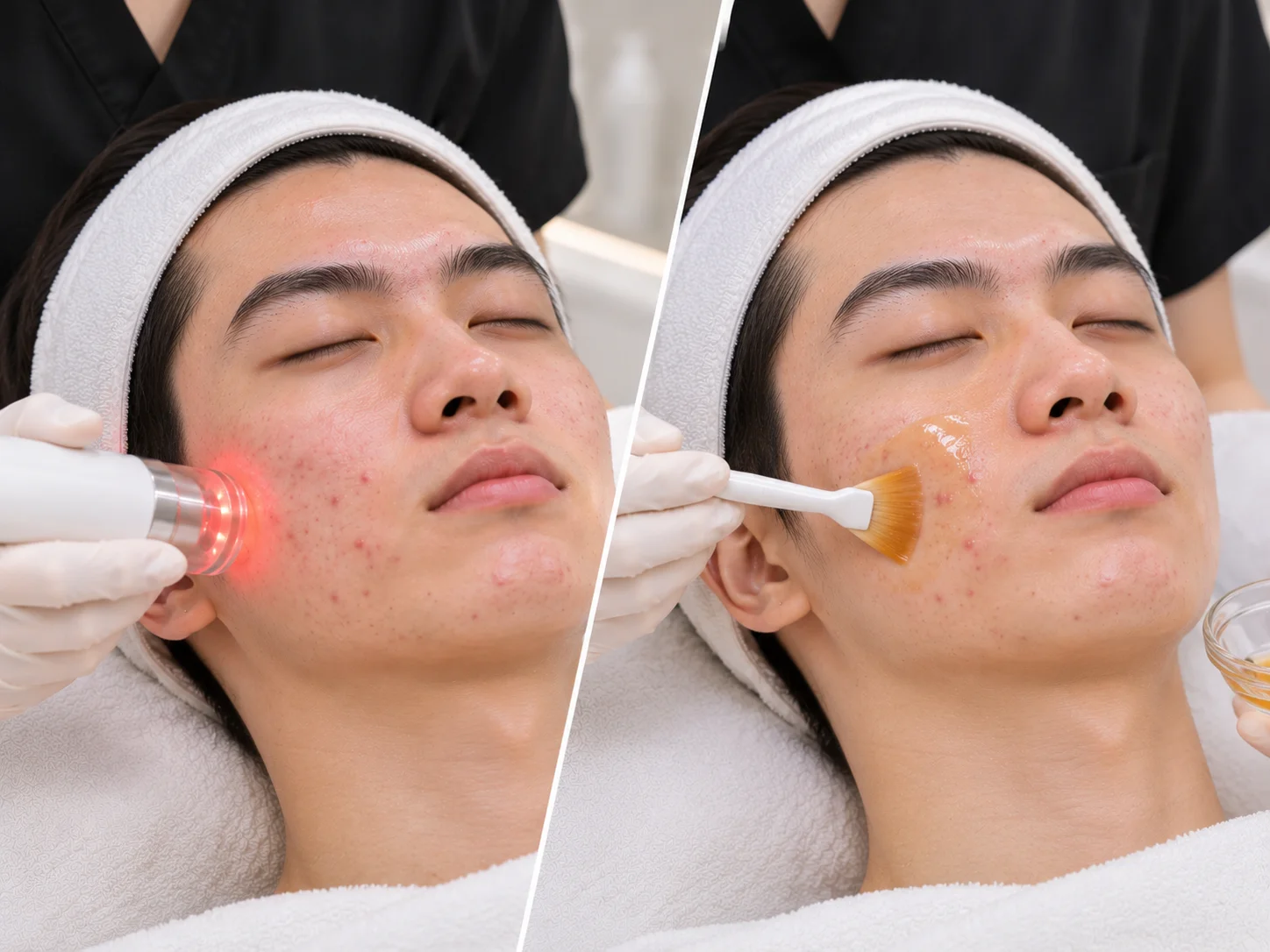
Laser treatment can be used to manage inflamed acne with minimal downtime. Many people notice early changes within a few weeks, and the number of sessions depends on the severity of the acne and the stage of breakouts. Lasers are not suitable for every acne type, so your doctor will check your skin first. Read how Pico laser treats stubborn skin concerns before you book.
How It Helps:
Suppress overactive sebaceous (oil) glands
Calm active inflammatory redness quickly
Stimulate collagen remodeling for smooth skin
Option 03
Chemical Peel
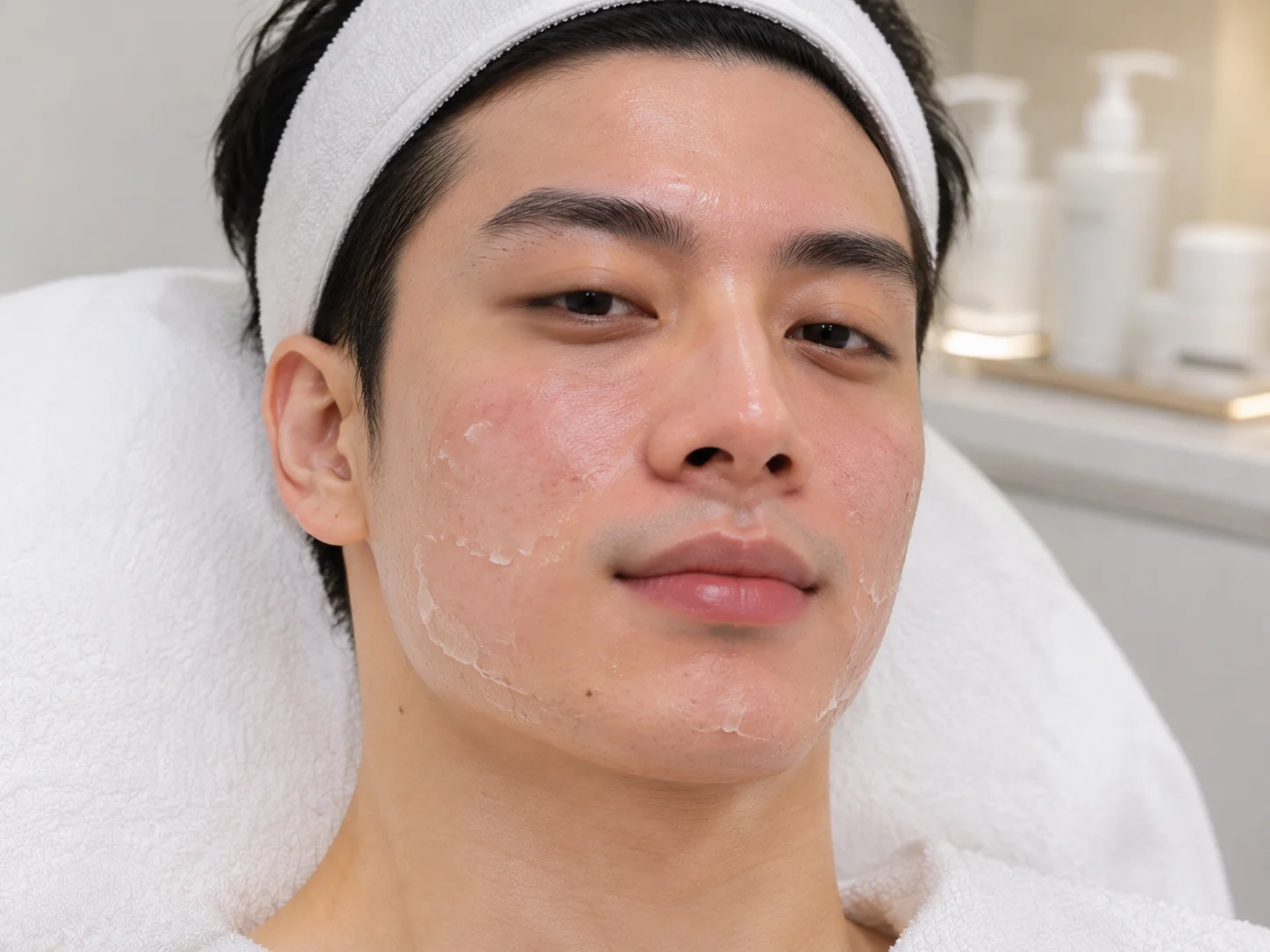
Chemical peels remove dead skin cells from the surface and help clear clogged pores. A salicylic acid peel suits oily, acne-prone skin because it helps dissolve oil inside the pore. Peels can cause dryness, stinging and redness, so your doctor will choose the strength for your skin. Learn more in our guide to how chemical peels work.
How It Helps:
Dissolve trapped oil inside congested pores
Exfoliate dead epidermal cells causing plugs
Fade post-acne dark marks & hyperpigmentation
Option 04
Microdermabrasion
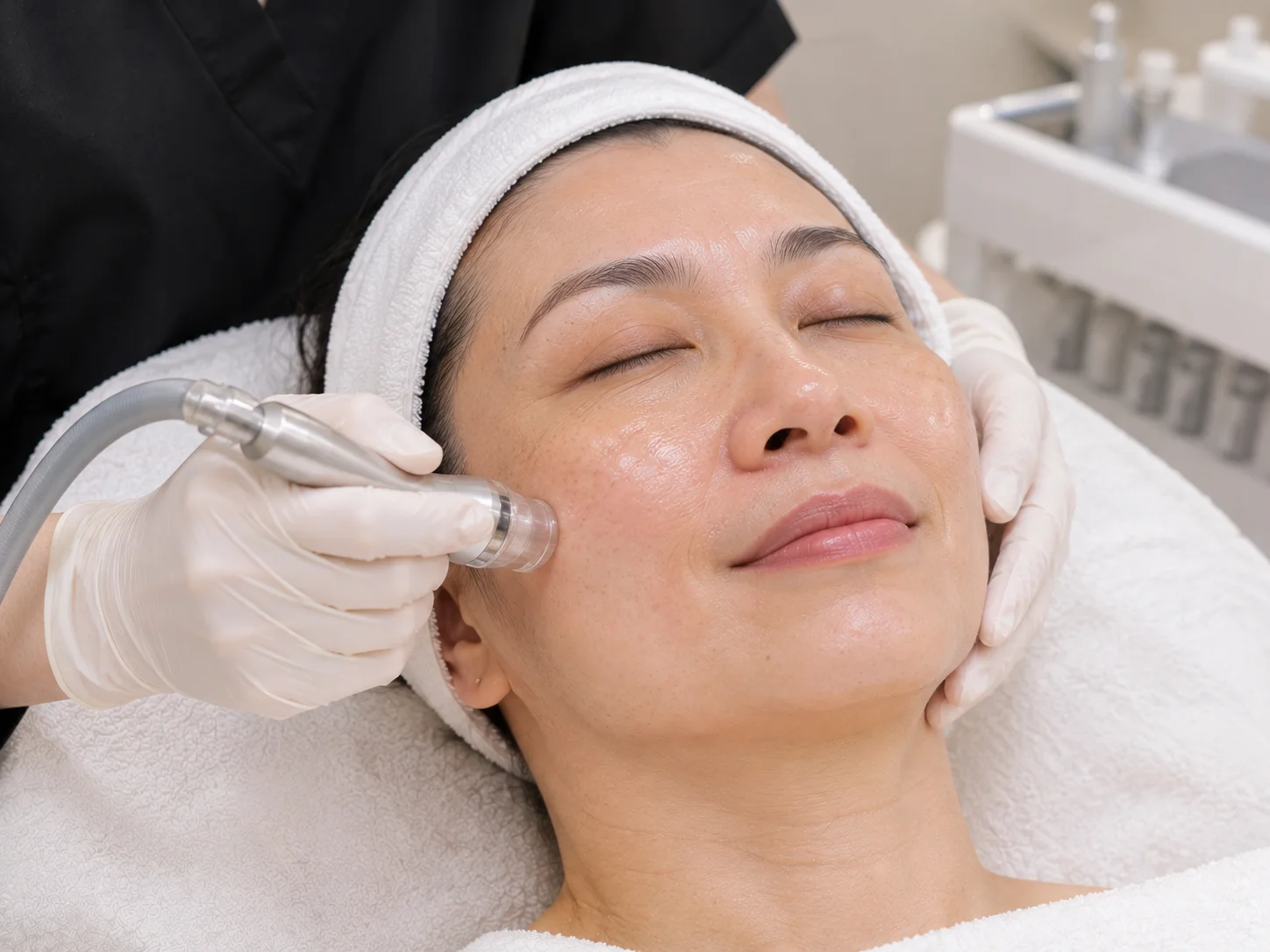
Microdermabrasion removes dead skin cells that can clog pores and can reduce surface oil. It may help active, mild to moderate breakouts, but it can worsen some types of acne, especially where inflammation is strong. A doctor should assess your skin first. Read our microdermabrasion benefits guide for more detail.
How It Helps:
Remove surface dead skin debris & excess sebum
Improve absorption of active topical skincare
Refine rough skin texture and superficial dullness
Option 05
Combination Treatment
Most people have a mix of acne types and stages, so a combination plan is often the most effective. Treatments are timed according to how each one works, and some should not be used together on the same day. Your doctor will explain what to expect and how long each step takes. For acne that breaks out after scar treatment, read how to start acne scar treatment after active breakouts.
How It Helps:
Address multiple acne triggers simultaneously
Faster clearance of active & resistant breakouts
Minimize scarring risk through multi-phase healing
Benefits of Getting Acne Treatment With Certified Physician
1
Accurate Diagnosis & Custom Plans
Certified doctors identify your specific acne root causes—hormonal, bacterial, or inflammatory—to tailor a medical-grade treatment plan.
2
Targeted Medical Therapies
Gain access to professional interventions like medical peels, prescription topicals, and advanced light therapies unavailable over-the-counter.
3
Scar & Mark Prevention
Early medical intervention minimizes deep tissue damage, significantly reducing the risk of permanent acne scarring and stubborn dark spots.
4
Safe & Monitored Results
Doctor-led treatments ensure safety, proper dosage management, and ongoing adjustments to track your skin's healing progress safely.
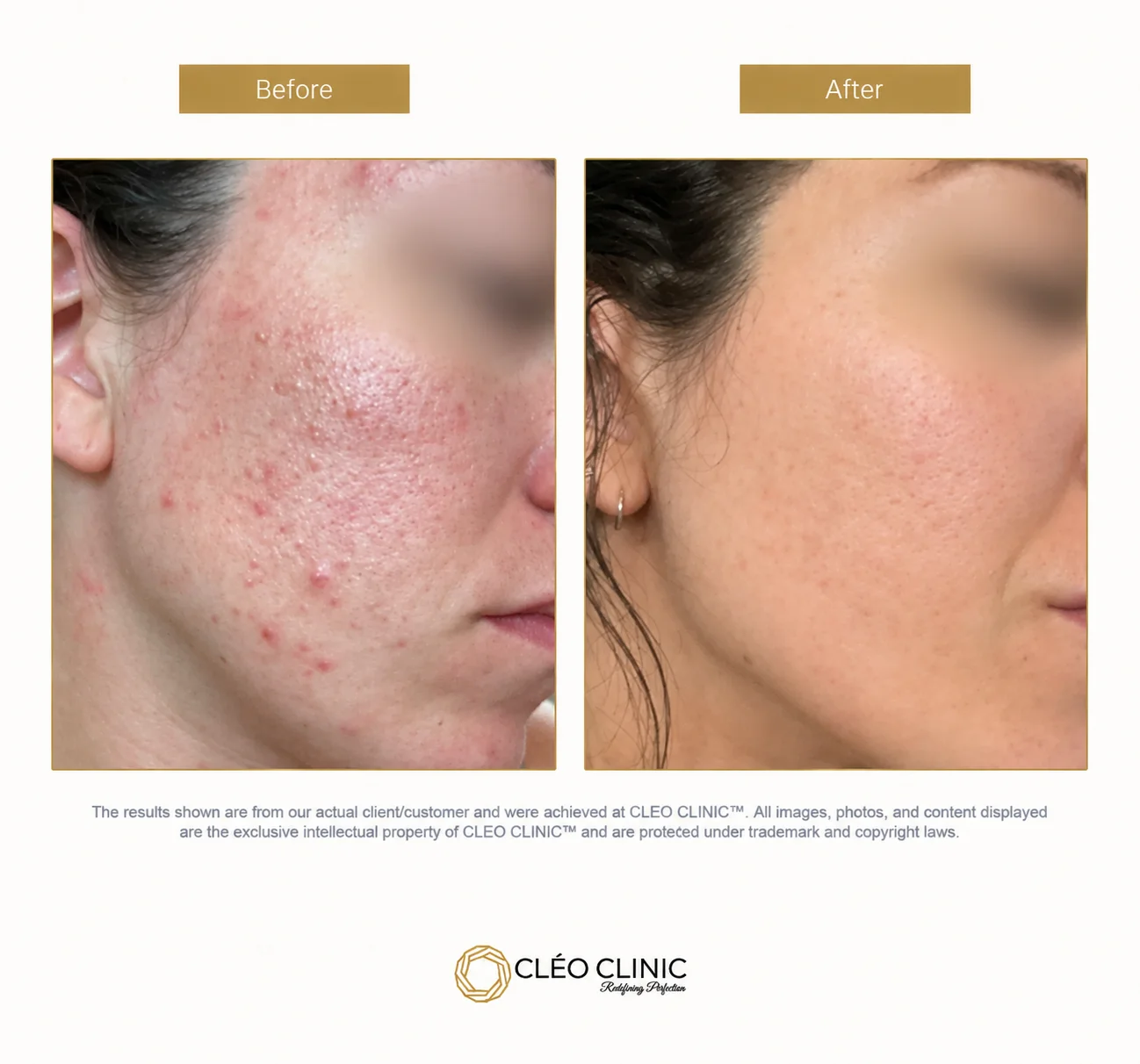
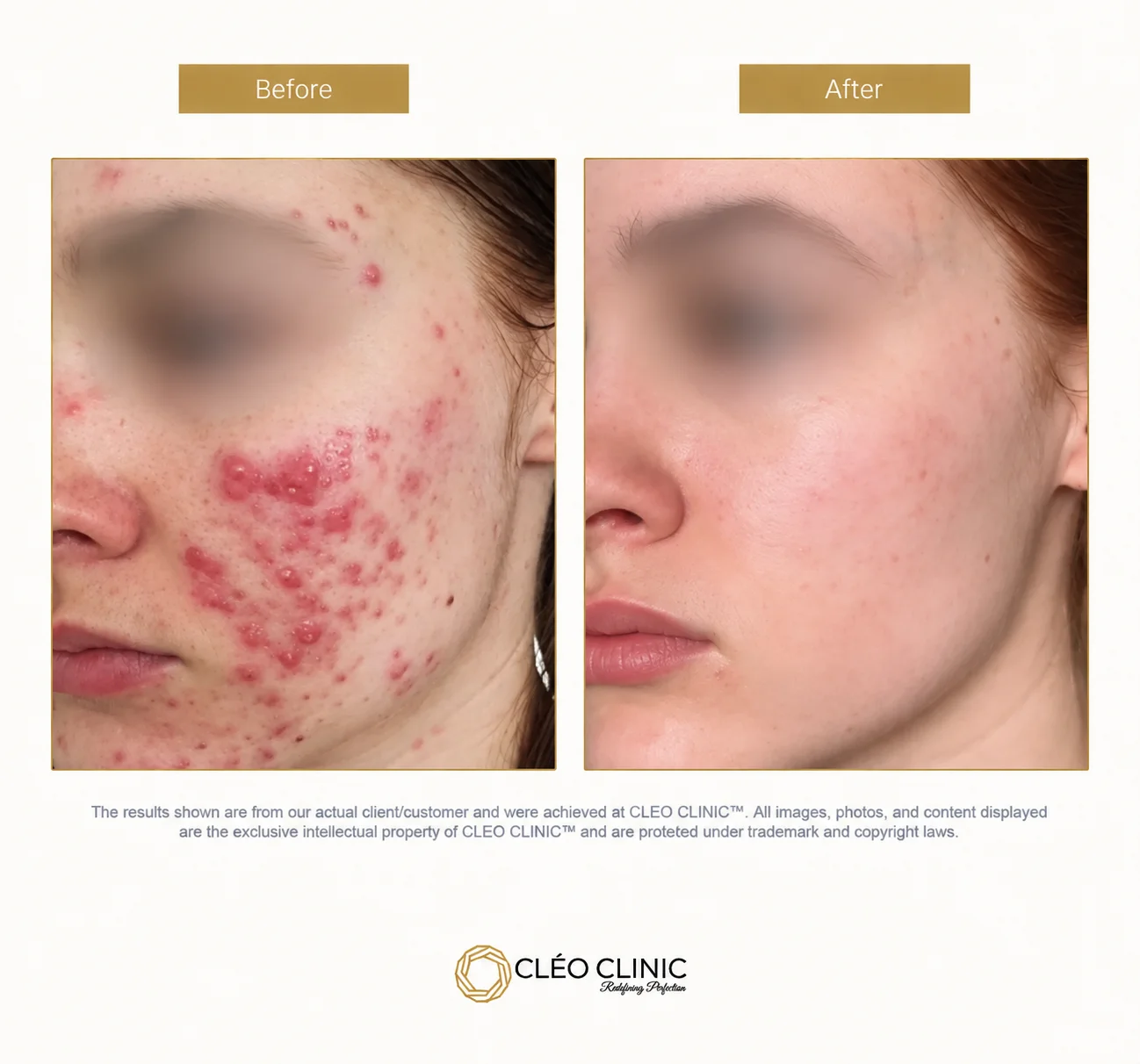
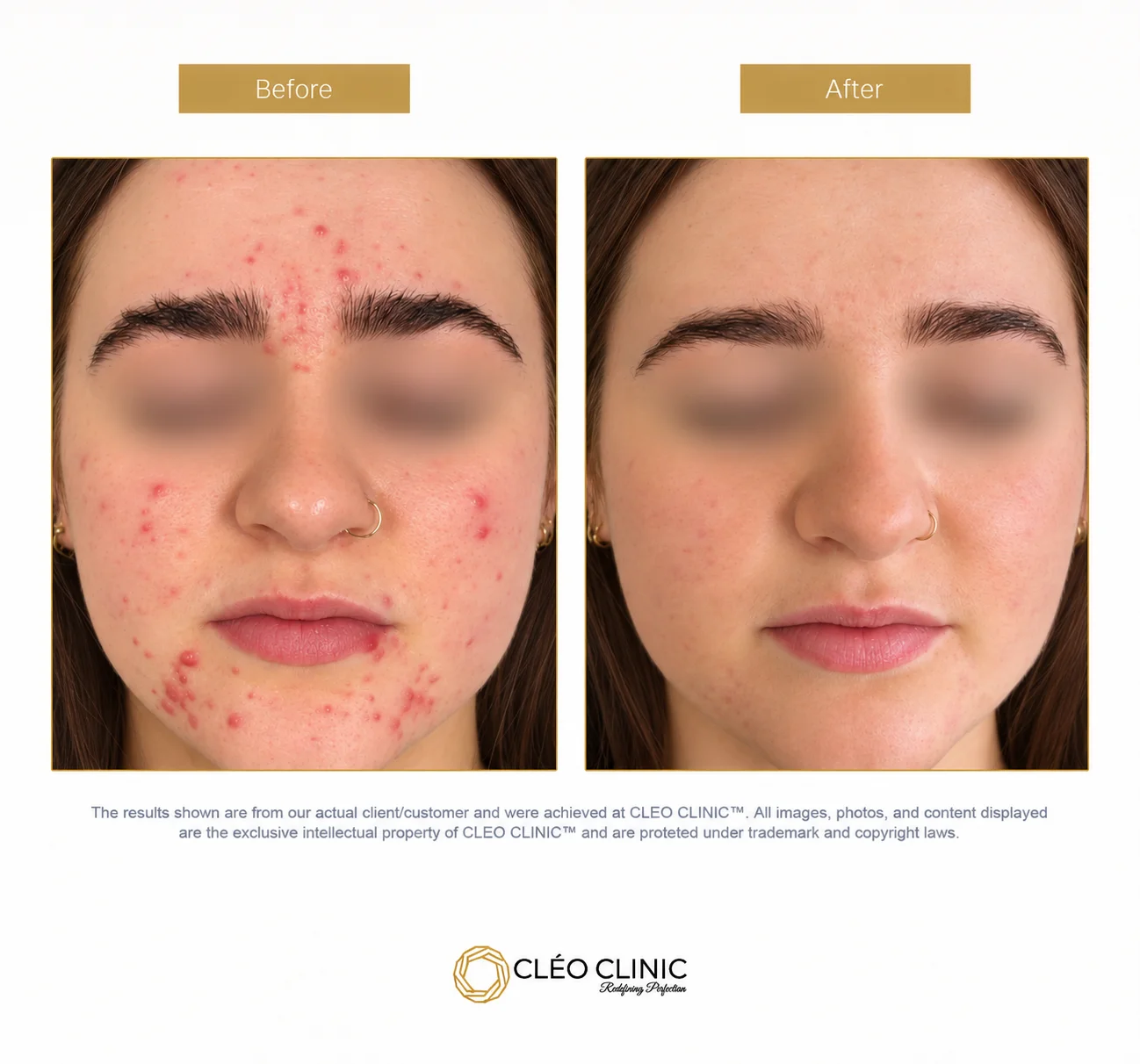
Before & After Results
Acne Treatment at CLEO clinic
Trusted by hundreds of satisfied clients 5 Star reviews on google
Dr. Raimie Bin Rahmad
Aesthetic Physician
Doctor of Medicine (M.D.) – MMA
Professional Diploma in Aesthetic Medicine
LCP Accredited by the Ministry of Health (MOH)
Founder & Medical Director of Cléo Clinic
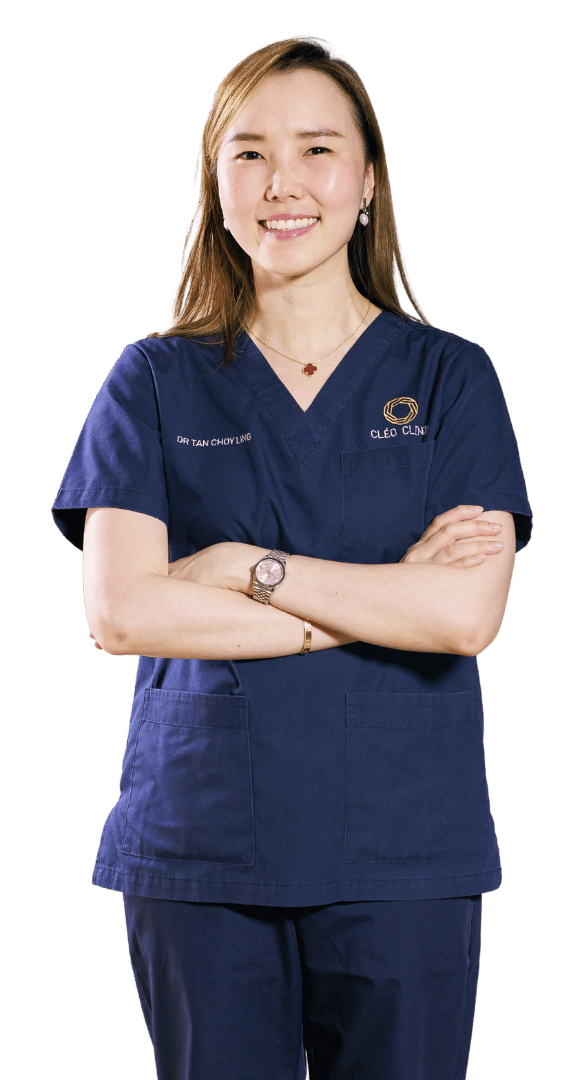
Dr. Tan Choy Ling
Aesthetic Physician
Doctor of Medicine (M.D.) – MMA
Postgraduate Diploma in Dermatology in Clinical Practice – University of South Wales, UK
Professional Diploma in Aesthetic Medicine – AAA
LCP Accredited by the Ministry of Health (MOH)
Co-Founder of Cléo Clinic
Dr. Seok Wye Kitt
Aesthetic Physician
M.D.(RSMU)
Postgraduate Medical Aesthetic Certification (MAC)
Medical Aesthetic International Certification (MAIC)
Clinical Director of Cléo Clinic
LCP Accredited by MOH
Dr. Amy Lau
Aesthetic Physician
M.D.(UKM)
Postgraduate Medical Aesthetic Certification (MAC)
Certificate in Aesthetic Medicine – American Academy of Aesthetic Medicine (AAAM)
Professional Diploma in Dermatology – Royal College Of Physician Of Ireland
LCP Accredited by MOH
Clinical Director of CLEO clinic Kepong
Dr. Sara Thong
Aesthetic Physician
MBBS.(Manipal)
Professional diploma in Aesthetic Medicine – IIWAM
Postgraduate Diploma In Dermatology In Clinical Practice – University Of South Wales, UK
LCP Accredited by MOH
Clinical Director of CLEO clinic Cheras
Dr. Famey
Lee see kit
Aesthetic Physician
Bachelor of Medicine & Bachelor of Surgery (MBBS) – Fudan , Shanghai
Postgraduate Medical Aesthetic Certification (MAC)
Postgraduate Diploma In Dermatology (AFPM)
LCP accredited by MOH
Book Acne Treatment
Consultation at CLEO clinic
Acne treatment works best with an accurate diagnosis. A free consultation at CLEO clinic lets our doctors check your acne type, review your medicines and history, and recommend a plan. Book a consultation at our Sri Hartamas (KL), Taipan USJ 10, Kepong or Cheras branch. You can also meet our doctors before you book.
Frequently Asked Questions
Acne Treatment In Malaysia
Most topical treatments take about 6 to 8 weeks to show a clear difference, and some people need several months. Your doctor will set expectations at consultation, and you should keep using the treatment as directed even if spots seem slow to clear.
There is no single best treatment. Mild acne often responds to topical medicines, while moderate to severe or scarring acne may need oral medicine, laser or peels. The right choice depends on your acne type, severity and skin, so a doctor should assess you first.
Some treatments can cause temporary dryness, redness or breakouts at the start, and microdermabrasion can worsen certain types of inflamed acne. Scarring is more likely when inflamed acne is left untreated or when spots are squeezed. A doctor can choose a plan that lowers these risks.
Many acne treatments are not suitable in pregnancy, and isotretinoin must never be used during pregnancy. Tell your doctor if you are pregnant, planning a pregnancy or breastfeeding before starting any treatment, so a safer option can be chosen.
It depends on the treatment. Topical medicines are used daily, while laser or peel sessions are usually spaced several weeks apart. Your doctor will set the schedule and review your progress, and maintenance treatment is often needed to stop breakouts from returning.
We use cookies to ensure that we give you the best experience on our website. If you continue to use this site we will assume that you are happy with it.