
Minoxidil & Finasteride Hair Loss Treatment in Kuala Lumpur, Malaysia
Cliniccleo®
Stop Hair Loss & Regain Confidence with Minoxidil & Finasteride
At CLEO Clinic, we understand hair loss challenges in Malaysia. Our personalized Minoxidil and Finasteride hair treatment plans are designed to effectively stop hair loss and stimulate new growth for our KL and Selangor patients, assessed and prescribed under proper medical supervision, not bought blind off a shelf.
We are proud to offer expert hair loss management with the FDA-approved first-line medications Finasteride and Minoxidil (topical and off-label oral use), alongside complementary options like Mesotherapy and Hair Bloom hair filler. Our physicians perform an in-depth assessment and tailor a combination treatment plan to achieve the most sustainable, effective results for each patient.

MALE PATTERN HAIRLOSS Treatment Overview


We’re proud to offer expert hair loss management with the approved first-line medication Propecia® (Finasteride), topical Minoxidil, or off-label use of oral Minoxidil. Other available options include Mesotherapy and Hair Bloom hair filler. Our physicians perform an in-depth assessment and tailor a combination treatment to achieve a holistic hair loss programme.
Taken daily, Finasteride is one of the recommended medications for hair growth in patients suffering from male pattern hair loss. It can slow or stop the balding process, and even enhance existing fullness.
Minoxidil is available in both oral and topical form, and both formulations have proven equally effective at stimulating hair growth — though most people know it best as a scalp foam or tonic. In certain circumstances, Minoxidil can be taken orally as a tablet instead, and physicians are increasingly recognising this as an effective and convenient way to treat hair concerns.
In year-long clinical trials, most patients taking Finasteride and/or Minoxidil achieved hair growth and, most importantly, reduced shedding.
Combining Hair Bloom hair filler or Mesotherapy with these treatments delivers an even faster, more effective outcome.
We understand just how challenging it can be to manage hair loss on your own. Here at CLEO Clinic, we’re here to provide a helping hand — offering first-class hair loss treatment and guidance in a calm, supportive environment. To achieve the best clinical results, our physicians typically take a holistic approach, combining multiple treatment modalities.


Cliniccleo®
Male Pattern Baldness – What is it?
What Causes Male Pattern Baldness?
Male Pattern Baldness is a genetic condition that can be passed down from either side of the family tree, so even if your father has a full head of hair, that doesn’t guarantee you’re in the clear. It’s caused by a by-product of testosterone called Dihydrotestosterone (DHT). DHT attaches to hair follicles and causes them to shrink over time, which makes hair progressively thinner until balding occurs.
Testosterone is converted to DHT by an enzyme called 5-alpha reductase. As the follicle shrinks under DHT’s influence, each new hair grows thinner and for a shorter time than the last, until eventually the follicle becomes too small to produce a visible hair at all. Our guide on DHT: what it is and its effects on hair loss covers this mechanism in more depth.
How can I identify Male Pattern Baldness?
How to identify it: Male Pattern Baldness only affects hair on the top of the scalp and crown, not the sides, causing a horseshoe-shaped pattern — a receding hairline, thinning crown, or general thinning across the top of the head, while the sides and back are typically spared.
What Is Female Pattern Hair Loss?
Female pattern hair loss (androgenetic alopecia in women) is the most common form of hair loss in women, caused by inherited genetics combined with androgen (male hormone) sensitivity at the follicle. About 1 in 4 women experience it, and it’s more likely if both parents carry hair-loss-related genes.
Unlike men, women typically notice diffuse thinning spread across the scalp, sometimes with widening along the centre parting, rather than a receding hairline. If hair loss appears alongside other signs like excess facial or body hair, a hormone check is worth discussing with your doctor, since an underlying hormonal cause such as PCOS may need to be addressed alongside the hair loss itself.
Minoxidil Malaysia: Uses, Strengths & Dosage
Quick Answer: Minoxidil is an FDA-approved topical (2% or 5%) or off-label oral medication that widens blood vessels around hair follicles, extending the hair growth (anagen) phase. It’s available over-the-counter in topical form in Malaysia, while oral Minoxidil requires a doctor’s prescription and assessment.
Topical Minoxidil: 2% vs 5%
| 2% Solution | 5% Solution / Foam | |
|---|---|---|
| Commonly used for | Women (lower risk of unwanted facial hair) | Men, and women under medical guidance |
| Onset | Slower, generally more gentle | Faster results in trials, more potent |
| Availability in Malaysia | Over-the-counter | Over-the-counter |
Minoxidil was originally developed to treat high blood pressure, its hair growth effect was discovered as a side effect during those trials, which is why it’s now formulated specifically for scalp application. If you’re curious what a realistic results timeline looks like once you start, our guide on Minoxidil before and after: real results and timeline walks through what to expect month by month.
Minoxidil Price and Where to Buy in Malaysia
Topical Minoxidil is classified as a Group C poison under Malaysia’s Poison Act 1952, which is why it can be sold over-the-counter at a pharmacy counter without a prescription, but only through a registered pharmacist, not on an open retail shelf. You’ll find it at major pharmacy chains including Watsons, Guardian, Caring Pharmacy, and Big Pharmacy, sold under brands like Rogaine and Kirkland, alongside local generic equivalents.
Typical pricing: topical Minoxidil generally costs RM40 to RM300 per bottle or month’s supply, depending on brand, concentration, and whether it’s a name brand or generic. Generic formulations contain the same active ingredient and are generally considered equally effective.
Oral Minoxidil is different, as a prescription-only medicine, it cannot be purchased over-the-counter or online without a valid prescription from a registered doctor, regardless of the seller. If you’re offered oral Minoxidil without a prescription requirement, that’s a red flag worth avoiding, both for authenticity and safety reasons.
A consultation at CLEO Clinic can confirm which form and strength is appropriate before you buy anything.
Oral Minoxidil: Dosage & When It’s Used
Oral Minoxidil is an off-label use of a medication originally licensed for blood pressure, and dosing for hair loss is significantly lower than the blood pressure dose range. According to MIMS Malaysia, the general effective dose range for Minoxidil is 10–40mg daily (up to 100mg for its original blood pressure indication), but for hair loss, doctors typically prescribe a much smaller fraction of this, individualised to the patient. This is precisely why oral Minoxidil should only be taken under a doctor’s supervision, never self-dosed based on the blood-pressure dosing information alone.
Oral Minoxidil may be considered when:
- Topical Minoxidil causes a rash, irritation, or allergic reaction
- There’s been no visible improvement after six months of consistent topical use
- Topical Minoxidil leaves hair feeling dry, knotted, or prone to breakage
- Compliance with a twice-daily topical routine is a genuine ongoing struggle
How it works: Oral and topical Minoxidil work through the same core mechanisms, dilating blood vessels to bring more oxygen and nutrients to hair follicles, pushing follicles from the resting (telogen) phase into the active growth (anagen) phase, and prolonging that growth phase once it begins. Oral Minoxidil can help with male pattern baldness, female pattern hair loss, and telogen effluvium specifically.
Why oral Minoxidil sometimes works when topical didn’t: Some individuals don’t respond to topical Minoxidil because their hair follicles lack sufficient sulfotransferase, the enzyme needed to convert Minoxidil into its active form (Minoxidil sulphate). This enzyme is more consistently active in the liver, which is part of why the oral route can succeed where topical application doesn’t.
Side Effects of Minoxidil
Side effects are uncommon at the low doses used for hair loss. The most commonly seen effects include excess hair growth in unintended areas (hypertrichosis) and, more relevant to oral use, low blood pressure or lightheadedness, since Minoxidil is fundamentally a blood pressure medication.
The shedding phase (read this before you start): Within the first 2 to 6 weeks of starting Minoxidil, many users notice increased hair fall in the shower or on their pillow. This is a normal, expected response, not a sign the treatment is failing. Minoxidil pushes resting follicles into a new growth cycle, and the old hair needs to shed first to make way for the new, thicker hair that follows over the next few months. Stopping treatment during this phase is the most common reason people give up on Minoxidil right before it starts working. If shedding continues well beyond 6 weeks or seems excessive, that’s worth flagging to your doctor rather than assuming it will resolve on its own.
Finasteride Malaysia: Uses, Dosage & Important Safety Information
Quick Answer: Finasteride is an oral, prescription-only, FDA-approved medication for male pattern hair loss that blocks the enzyme converting testosterone into DHT. The standard dose in Malaysia is 1mg daily, and it requires a doctor’s prescription, it is not legally available over-the-counter.
How Finasteride Works
Finasteride blocks 5-alpha reductase, the enzyme that converts testosterone into DHT. Since DHT is the hormone responsible for shrinking hair follicles and accelerating balding, reducing DHT levels helps slow or stop further follicle miniaturisation, allowing the hair growth cycle to continue rather than shortening with every cycle.
This is also why starting Finasteride early in your hair loss journey matters, once a follicle becomes fully dormant, it will not reawaken, so Finasteride is most effective at preserving hair you still have rather than regrowing hair from follicles that have already gone inactive. If you’re weighing this against a related medication, our comparison of Dutasteride vs Finasteride covers the differences, and our guide on how Dutasteride works explains the alternative in more depth.
Finasteride Dosage
According to MIMS Malaysia, the standard oral dose for male pattern baldness is 1mg once daily, taken continuously for at least 3 months before effectiveness can be properly assessed, most patients need 6–12 months of consistent use to see the full benefit. Finasteride is a prescription-only medicine (POM) in Malaysia, meaning a valid prescription from a registered doctor is legally required before it can be dispensed, regardless of where you purchase it.
Side Effects and an Important Safety Update
The most common side effects of Finasteride, affecting roughly 1 in 100 users, are erectile dysfunction and difficulty with ejaculation. Rare side effects include skin lumps or hives, and allergic reactions.
Important safety note: In September 2025, Malaysia’s National Pharmaceutical Regulatory Agency (NPRA) issued a safety alert regarding Finasteride and Dutasteride, flagging a potential association with suicidal thoughts in some users. If you experience low mood, depression, or any thoughts of self-harm while taking Finasteride, stop the medication and contact your prescribing doctor immediately, this is exactly why Finasteride should only be taken under proper medical supervision, with regular follow-up, rather than sourced without a genuine consultation. At CLEO Clinic, this is discussed as part of every Finasteride consultation, and patients are advised on what symptoms to monitor for and when to seek help.

Which types of hair loss can Minoxidil tablets help with?
Oral Minoxidil may be used to treat hair loss if: - Minoxidil topical formulations induce a rash, irritation, or allergy. - After six months of rigorous usage, there is no benefit from topical Minoxidil. - Topical Minoxidil results in poor hair texture - Topical Minoxidil may occasionally create dry, knotted hair prone to breaking. There are additional issues with taking topical Minoxidil, which produces compliance issues.
Cliniccleo®
Oral Minoxidil For Hair Loss: Uses, INDICATIONS, Results, Side Effects
Oral Minoxidil is a promising treatment for many types of hair loss. While Minoxidil is more widely used, oral Minoxidil is still always or often recommended by more than a quarter of hair loss specialists
What is oral Minoxidil and how does it treat hair loss?
Minoxidil is a drug originally developed to treat high blood pressure, but it is now also used off-label to slow hair loss and promote regrowth in those with certain types of hair loss condition. Oral Minoxidil works through various mechanisms: It dilates the blood vessels around the body, allowing more oxygen and nutrients to reach the hair follicles. It advances hair follicles through the telogen phase of the hair growth cycle and into the anagen (growth) phase. Minoxidil can prolong the anagen phase of the hair growth cycle.
SIDE EFFECTS OF ORAL MINOXIDIL ?
Side effects are uncommon at the low doses used to treat hair loss. Common effects seen includes: Excessive hair (Hypertrichosis) , Temporary shedding, Low blood pressure and feeling lightheaded.
Cliniccleo®
Mesotherapy & PRP as an option for HAiR LOSS
The revolutionary PRP hair is an effective 100% natural hair growth treatment that using Platelet rich plasma (PRP) from patient own blood which contain essential growth factors to promote hair growth when injected into scalp.
PRP contains special cells called Platelets and plasma, that can promote growth of the hair follicles by enhancing the cells in the micro-environment of the hair follicle and subsequently increases vascularity to the hair root. The PRP stimulates inactive or newly implanted hair follicles into an active growth phase. The treatment works best for treating thinning hair, slowing or stopping the progression of hair loss and even promoting hair growth after hair transplant.

WHO IS SUITABLE FOR THE PRP HAIR?
- All types of hair loss and thin hair for both men and women
- For patients who cannot benefit from other hair loss therapies
During your free hair loss consultation, the doctor will examine and determine if you are a suitable candidates for the treatment. The doctor will then explain the details of the treatment. Complications, after care and answer all questions you may have.
HAIR BLOOM HAIR Filler
Hair Bloom Hair Filler is an active complex based on a combination of effective ingredients and designed to improve scalp and hair condition.
Hair bloom is a breakthrough development of hair growth stimulating active complex which features a proprietary blend of peptides.
«HAIR BLOOM» HAIR Filler delivers clinically proven results. In just 12 weeks, you’ll achieve hair that is denser and thicker.
It contains proven active complexes to fully optimize scalp microcirculation and effectively induces hair growth to correct the condition of the scalp in order to reduce hair fall and encourage further hair growth.

Indications
- Dry scalp
- Male pattern hair loss
- Hair follicles requiring revitalization
- Hair thinning
- Alopecia, Alopecia Areata
Benefits
- Promotes blood circulation in the scalp
- Revitalizes hair follicles
- Stimulates hair growth
- Increases hair thickness
- Eliminates dry scalp combating problems including dandruff and dry hair
contents OF HAIR BLOOM?
The combination of hyaluronic acid and active peptides promotes cell proliferation and hair growth, providing abundant nutrition and oxygen to the scalp.
How it works?
Hair Bloom formulation is based on the combination of biocompatible hyaluronic acid and peptides, which stimulates hair growth and provides hair loss prevention effects, as well as allows to deliver peptides directly to damaged areas.


HAIR LOSS Treatments
We offer the following treatments to help you in your hair loss treatment journey. All treatment options are subject
to approval by our prescriber following the completion and assessment the medical consultation by our qualified physicians
MINOXIDIL
(Oral and Topical )
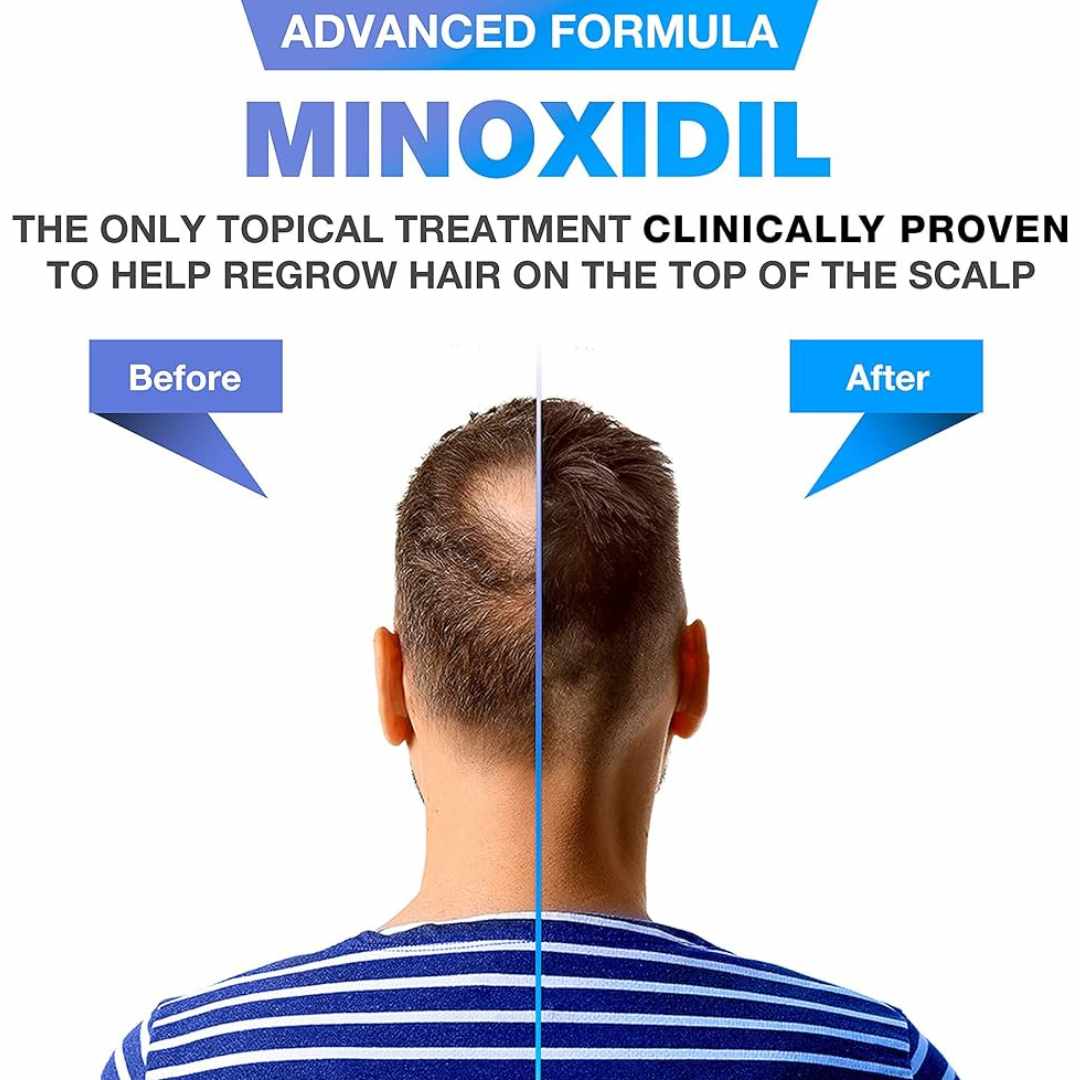
- Speed up the growth cycle of hair folicles
- Licensed by the FDA for Hair loss treatment
- Safe with no major side effects
FInasteride
(ORAL)

- Indicated for male pattern baldness
- Licensed by the FDA for Hair loss treatment
- Promotes scalp hair growth and prevents further hair loss
Hair FILLER
(Growth COMPLEX)

- Revitalizes hair follicles & Stimulates hair growth
- Hair growth stimulating active complex
- 12 weeks to denser and thicker hair
MESOTHERAPY
(growth factors)

- Suitable for Male & Female pattern Hairloss
- Safe, effective, steroid sparing
- Preventing hair loss and promoting new hair growth
F.A.Q
The health of our hair and scalp is equally important as our body. We subject our hair (and scalp) to UV exposure, harsh chemical treatments and hair products that irritate the scalp. Over time, the scalp may develop conditions like dryness, oiliness, eczema, acne, and pimples which may lead to hair loss. In addition, more people are suffering from scalp and hair problems due to stress, poor sleeping habits, and unhealthy lifestyle.
People do not seek medical help very often until it is in an advanced stage of hair loss. When that happens, it is often more challenging to treat and encourage healthy hair growth.
Hair care starts from the scalp. It is better to pay more attention to care for the scalp for healthy hair growth.
At CLEO Clinic we provide a full range of treatment for hair loss including prescription medication , Hair regrowth factor , Hair filler , photo modulation and also PRP hair regrowth therapy .
The immune system, which fights off viruses, bacteria and foreign tissue, turns and attacks the hair follicles stopping hair growth.
Hair Loss that affects most men during their lifetime. In most cases this type of hair loss is gradual, developing over a period of 20 to 30 years. However younger men can also be affected, and in extreme cases men can completely lose their hair by their early twenties. The rate of hair loss depends on a personal’s genetic disposition and pattern baldness also affects women.
The first signs of male pattern baldness are a receding hairline at the front of the head, and thinning of the hair on top. This progresses to a bald patch developing on the top of the head, which gradually enlarges. Over time the area of hair loss extends to cover most of the scalp, leaving in some cases a rim of hair around the back and sides. This rim then thins in some men to leave them completely hairless.
The earlier male pattern baldness is treated, the better the chances of preventing full hair loss. Contact CLEO Clinic now to arrange your free consultation at our Kuala Lumpur clinics.
The Cause of Male Pattern Baldness
Hair is made in hair follicles under the surface of the skin. A healthy hair will normally grow for about three years before falling out and being replaced by a new hair.
In cases of male pattern baldness, this cycle of growth and regrowth is disrupted by the affect of hormones on the hair follicles.
Testosterone, a hormone produced by both men and women is converted to dihydrotestosterone (DHT) by an enzyme called 5-alpha reductase. DHT attaches itself to the hair follicles and causes them to become smaller. As the follicle shrinks, each hair grows thinner than the previous one, and the hair grows for less time than normal before falling out. Eventually the follicle becomes so small that there is only a thin tip of hair left that no longer grows out to the skin surface.
What is female pattern hair loss?
Androgenetic alopecia or female pattern baldness is the most common form of hair loss found in women today. It is similar to the common form of hair loss suffered by males and known as male pattern baldness, manifesting itself in an equally predicable but different way. The condition can be very difficult for most women to accept since a large part of a woman’s identity is tied up in her hair.
Who does female pattern baldness affect?
1 in 4 women suffer from female pattern hair loss. It is a condition resulting from the parental gene pool. If both a woman’s parents carry the hair loss gene it is quite likely that she will suffer from female pattern hair loss.
What are the symptoms?
A female sufferer will notice a diffuse thinning of her across the entirety of her scalp initially, followed by the development of a bald patch running from the front of her scalp, in a quite straight line, to the back of her head, as if following the line of a central parting. In time, this bald line will expand to the left and right until, eventually she is left bald.
What causes female pattern hair loss?
Female pattern baldness is caused by inherited genetic influences and an over production of the male hormone testosterone. Female pattern hair loss may begin as early as puberty. In these cases if there are signs of hormone imbalance, such as excess facial or body hair, a hormone check should be carried out.
Finasteride works by blocking a specific enzyme in your body. This little enzyme lives inside your body and turns your body’s testosterone into another hormone called DHT. Whilst DHT is an important hormone that gives men their sex drive, and regulates their lean muscle mass, it is also responsible for accelerating balding.
Before taking any treatment, elevated levels of DHT in the body reduce the “anagen” phase of the hair growth cycle and increase the “telogen” phase. Cutting through the jargon, this means the time your hair follicles spend growing is reduced, leaving your follicles to shed and lie dormant forever.
Finasteride stops your body from producing DHT. As long as you choose to keep taking finasteride, this will prevent further hair loss from occurring. It is designed to enable the hair growth cycle to continue occurring, keeping your hair on your crown and temples.
This is also why it is critical to use Finasteride at an early point on your hair loss journey. The earlier we start taking finasteride, the more effective it is going to be. Once a follicle becomes dormant, it will never awaken.
Finasteride side effects are rare, but can occur. The most common side effects, affecting roughly one in one hundred people, are erectile dysfunction and problems ejaculating.
very rare side effects includes:
- lumps, or hives on the skin
- unusually low mood (depression)
- Allergic reaction
- Promotes blood circulation in the area of treatment
- Revitalizes hair follicles
- Stimulates hair growth
- Increases hair thickness
- Eliminates dry scalp combating problems including dandruff and dry hair
- Protects collagen from degrading; Prolongs duration of hair transplants
Minoxidil is a drug originally developed to treat high blood pressure, but it is now also used off-label to slow hair loss and promote regrowth in those with certain types of alopecia .
Oral Minoxidil works through various mechanisms:
- It dilates the blood vessels around the body, allowing more oxygen and nutrients to reach the hair follicles.
- It advances hair follicles through the telogen phase of the hair growth cycle and into the anagen (growth) phase.
- Minoxidil can prolong the anagen phase of the hair growth cycle.
Oral Minoxidil can help treat the following types of hair loss :
- Male pattern baldness
- Female pattern hair loss
- Telogen effluvium
Some individuals may not react to topical Minoxidil because their bodies lack the necessary enzyme (sulfotransferase) in hair follicles to produce Minoxidil Sulphate from Minoxidil. Sulfotransferase is present in your liver tissues and is primarily responsible for activating oral medications.
Oral Minoxidil may be used to treat hair loss if:
– Minoxidil topical formulations induce a rash, irritation, or allergy.
– After six months of rigorous topical minoxidil usage, there is visualize improvement
– Topical Minoxidil results in poor hair texture – Minoxidil may occasionally create dry, knotted hair.


Hair Loss Medication – Medication is designed to help manage hair loss and slow its process – it is best suited for those who are experiencing early signs of hair loss or, for those in later stages, in combination with a hair regrowth treatment . Minoxidil and Finasteride (Propecia) are the only two currently approved solutions and each work in different ways.
Minoxidil – is thought to work by widening blood vessels and potassium channels, thus allowing more nutrients, oxygen and blood to the hair follicle and encouraging healthy hair growth.
Finasteride – available as either Propecia® or Proscar® – is only available through prescription. For men suffering from male pattern baldness (androgenic alopecia), it works by preventing testosterone being converted into DHT, a hormone which causes hair to fall out.
However such medications is best taken after assessment and recommendation by a medical professional dosage and indications varies for different types of hair loss .
It is a local treatment to stop and improve androgenetic alopecia. It consists of microinjections with antiandrogen drugs on the scalp to reach the hair root directly. Dutasteride is the most used drug in this therapy, due to its higher long-term efficacy.
Mesotherapy with dutasteride on the scalp delivers high concentrations of the drug next to the hair root. This approach allows for the reduction of oral medication with finasteride or dutasteride.
After the procedure, the patient could notice a sensitive area on the scalp. Two or four hours after the local anesthesia is applied, they might feel mild pain that can be stopped with oral analgesics. However, not feeling pain is the norm. Local inflammation is very rare, when it appears is mild and painless. It is related to the volume of liquid injected and it disappears after 24-48h.
PRP (platelet-rich plasma) for hair loss is a treatment involving taking a small quantity of blood from a patient, separating out the growth factors and bioactive proteins in the blood (which initiate and speed up tissue repair and regeneration) and injecting this platelet rich plasma into the scalp, to encourage hair growth.
It can improve scalp conditions, aims to thicken healthy hair growth without the need of oral medication and achieve effective hair growth at the cellular level.
PRP for hair loss is a safe treatment with no risk of infectious disease transmission as it is prepared in closed circuit from the patient’s own blood. As PRP is prepared from patient’s own blood, adverse reactions are rare.
Patients are advised not to wash their hair or scalp for 24 hours following treatment. Most people find the treatment isn’t painful, occasional pain killers maybe prescribed for mild pain.
Trusted by hundreds of satisfied clients 5⭐️ reviews on google