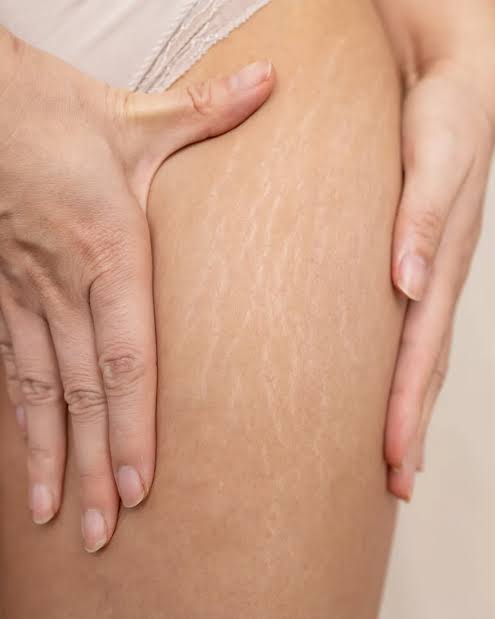
Who Might Be Suitable for RE20?
RE20 may be considered for adults who want to address:
- Early to moderate loss of firmness or elasticity
- Rough or uneven texture
- Enlarged-looking pores
- Fine lines or loss of skin density
- Skin that has stopped responding to hydrating or polynucleotide boosters
- Acne scars, where a doctor believes an ECM approach is appropriate alongside other treatments
Suitability depends on your skin, medical history and goals. RE20 is not a filler, so it does not add volume the way a dermal filler does. If you want to lift the face or add shape, a different treatment may suit you better. For treatments that work on volume or lifting, see our guides to dermal fillers in Kuala Lumpur and skin booster vs dermal filler.
What to Expect During Treatment
Session Plan
Clinics commonly suggest a starting course of two to three sessions, spaced about four weeks apart, followed by maintenance treatment. Many people return for maintenance every six to twelve months, depending on their skin and goals. The exact plan should be set during your consultation.
Procedure and Numbing
A session usually takes around 30 to 45 minutes, including numbing. Your doctor will mark the treatment areas, then inject small amounts into the mid-dermis. Numbing cream can be used to reduce discomfort, and pain varies between people.
Downtime
Most people have little downtime. Redness, swelling and small bumps at the injection points usually settle within a few days. Bruising is less common but possible. Plan around important events, and see our guide on when to avoid skin booster injections before events.
Aftercare for the First Week
- Avoid heat, saunas and strenuous exercise for at least 24 hours, or as your doctor advises
- Avoid harsh exfoliants, retinoids and acids on treated areas until the skin has settled
- Do not rub or press the treated areas
- Use a gentle moisturiser and daily sunscreen
- Contact your clinic if you notice severe pain, spreading redness, fever or any unusual change
Our article on skin booster side effects explains what is normal and what needs attention.
RE20 Results Timeline
- Within the first one to two weeks: some people notice a fresher look or improved texture as swelling settles.
- Around two to three months: the fuller, cell-led changes are expected to develop.
- Six to twelve months: clinic guidance suggests results may last this long after a full course, although this varies between individuals.
Results depend on age, skin condition, sun exposure, smoking and lifestyle. Ask your doctor how results will be measured at your review.
RE20 Safety and Side Effects
Common Side Effects
Redness, swelling, tenderness, small bumps and occasional bruising at the injection sites are the most common effects. These usually settle within days to a couple of weeks.
Less Common Risks
As with any injectable, less common risks include infection, uneven results and lumps. A review of hyaluronic acid filler corrections describes how these risks are assessed in practice (PMC: retrospective review of hyaluronic acid filler corrections). It covers filler rather than RE20 specifically, so it is context only.
Who Should Avoid RE20
Speak to a doctor first if you:
- Are pregnant or breastfeeding
- Have an active skin infection or open wounds in the treatment area
- Have a history of severe allergic reactions
- Have a bleeding disorder or take blood thinners
- Have a history of keloid or hypertrophic scarring
- Have a current autoimmune condition
Because RE20 is derived from human tissue, ask your clinic about donation restrictions and product screening.
Sourcing and Registration
Confirm the product’s registration status, batch number and manufacturer before treatment. Check the product with the National Pharmaceutical Regulatory Agency (NPRA) where applicable. If a clinic cannot provide these details, do not proceed.