Table of Contents
- What Causes Dark Circles Under Eyes?
- Types of Dark Circles
- Pigmentation (Brown Circles)
- Vascular (Blue/Purple Circles)
- Structural (Hollows/Shadows)
- How to Treat Dark Circles
- Get Enough Sleep
- Stay Hydrated
- Apply Sunscreen
- Use Eye Creams/Serums with Vitamin C
- Cold Compress
- Dark Circles vs Eye Bags
- Dark Eye Circle Treatment & Cost in Malaysia
- Laser Treatment (Pico / Q-Switched) for Pigmentation
- Rejuran/Skin Boosters
- PRP (Platelet-Rich Plasma)
- Fillers
- When to See a Doctor
- Frequently Asked Questions
- Bottom Line
Quick Answer: Dark circles, sometimes called “panda eyes,” fall into three main types, pigmentation (brown), vascular (blue/purple, from visible blood vessels), and structural (shadows from volume loss or hollowing), and many people have some combination of all three. Home remedies like sleep, hydration, sunscreen, and cold compress help mild or temporary cases. For pigmentation that won’t fade, Pico or Q-switched laser is the standard treatment; for structural hollows, skin boosters or filler; costs in Malaysia typically run RM300 to RM3,500 depending on the treatment.
Dark circles are confusing precisely because they can come from several different directions at once, facial anatomy, circulation, pigmentation, and fluid retention can all contribute simultaneously. That’s why a single product rarely solves the problem completely, and why identifying which type you actually have matters more than trying every remedy at once.
What Causes Dark Circles Under Eyes?
The under-eye area has unusually thin skin and very little cushioning compared to the rest of the face, which means even small changes beneath the surface, blood vessels, pigment, or lost volume, become visible in a way they wouldn’t elsewhere. A widely cited review in PubMed Central confirms this multifactorial picture, noting that infraorbital dark circles arise from a combination of skin, subcutaneous tissue, muscle, vascular, and bony contributions. Periorbital hyperpigmentation specifically has been estimated to affect as many as 30% of people in some population studies, according to a treatment review published in the open-access journal Cosmetics.
Common contributing factors include:
- Genetics, dark circles frequently run in families and are more common and noticeable in darker skin tones
- Aging, loss of fat and collagen around the eyes creates hollows that cast shadows
- Lack of sleep and fatigue, disrupts circulation and fluid balance, worsening puffiness and shadowing
- Allergies and eczema, Mayo Clinic specifically flags allergies, atopic dermatitis, and contact dermatitis from skincare or makeup as common, often-overlooked causes
- Sun exposure, triggers excess pigment production in the thin under-eye skin
- Certain medical conditions or medications, iron deficiency anemia, thyroid conditions, and some glaucoma eye drops (such as bimatoprost and latanoprost) can all cause or worsen dark circles
Types of Dark Circles
Dermatologists generally group dark circles into three categories. Most people have a mix, but identifying your dominant type is what actually determines which treatment will help.
Pigmentation (Brown Circles)
Caused by excess melanin in the under-eye skin rather than visible blood vessels or shadows. This type looks distinctly brown, tends to be more noticeable in deeper skin tones, and is often linked to genetics, sun exposure, allergies, or rubbing the eyes.
Vascular (Blue/Purple Circles)
Caused by blood vessels showing through the thin under-eye skin, giving a bluish or purplish tint. This type is closely tied to circulation and fluid retention, and tends to look worse when you’re tired, dehydrated, or have been crying, and better after rest.
Structural (Hollows/Shadows)
Caused by volume loss, fat and collagen decline with age, creating a hollow (tear trough) that casts a natural shadow rather than being discoloration at all. This type doesn’t respond to skin-lightening ingredients, since the “darkness” is actually a shadow effect from lost structure.
How to Treat Dark Circles
Get Enough Sleep
Poor sleep disrupts circulation and fluid balance around the eyes, which is why dark circles, particularly the vascular type, often look visibly worse after a bad night. Consistent, quality sleep is the simplest lever available and helps more than any single product for circulation-related darkness.
Stay Hydrated
Dehydration can make under-eye skin look more sunken and emphasize both vascular and structural dark circles. Adequate water intake supports overall skin plumpness, though it won’t reverse genuine volume loss or pigmentation on its own.
Apply Sunscreen
Sun exposure directly worsens pigmentation-type dark circles by triggering excess melanin production in already-thin under-eye skin. Daily sunscreen, including around the eye area, is one of the most effective preventive steps, particularly for the pigmentation type. Not sure which formula to use here specifically? Our guide on physical vs. chemical sunscreen can help you choose one gentle enough for this delicate area.
Use Eye Creams/Serums with Vitamin C
Topical vitamin C is one of the better-studied ingredients for pigmentation-type dark circles, a small clinical study found a 10% vitamin C lotion used over 6 months measurably lightened under-eye darkness. Retinoids, caffeine, and peptides are other actives worth looking for in a dedicated eye product: retinoids boost collagen and even out tone, caffeine constricts blood vessels to help the vascular type specifically, and peptides support skin’s structural resilience over time. Because this area is especially delicate, use a formulation designed specifically for the eyes.
Cold Compress
Cold therapy constricts blood vessels and reduces fluid buildup, making it particularly effective for vascular dark circles and morning puffiness. Chilled cucumber slices, cooled spoons, or a cold compress pressed gently under the eyes for a few minutes work through this same mechanism, a simple, low-cost option, though the effect is short-lived compared to targeted treatment.
Dark Circles vs Eye Bags
These two are commonly confused, but they’re genuinely different concerns with different causes and treatments:
| Dark Circles | Eye Bags | |
|---|---|---|
| What it is | Discoloration or shadowing under the eyes | Puffiness or swelling under the eyes |
| Main cause | Pigmentation, visible vessels, or volume loss | Fat pad bulging forward, fluid retention, or skin laxity |
| Appearance | Flat area that looks darker than surrounding skin | Raised, puffy area, sometimes with visible bulge |
| Typical treatment | Laser, skin boosters, fillers, topical actives, sun protection | Fillers to blend the transition, or surgical fat removal (blepharoplasty) for pronounced cases |
It’s possible to have both at once, a hollow directly beneath a puffy area is a common combination, which is exactly why they sometimes get treated as one problem when they actually need two different approaches. If puffiness rather than discoloration is your main concern, our dedicated guide on under-eye bags: causes and effective treatment covers that specifically.
Dark Eye Circle Treatment & Cost in Malaysia
When home remedies aren’t enough, particularly for pigmentation that won’t fade, visible vessels, or genuine structural hollowing, professional treatment addresses the underlying cause more directly. Pricing in Malaysia varies by treatment type and the number of sessions needed:
| Treatment | Best For | Typical Cost in Malaysia |
|---|---|---|
| Pico or Q-switched laser | Pigmentation (brown) type | RM300 – RM1,500 per session, usually 3–6 sessions |
| Rejuran I / skin boosters | Structural, thinning skin | RM1,200 – RM2,500 per session |
| PRP (platelet-rich plasma) | Structural, skin quality | RM800 – RM1,500 per session, usually 3 sessions |
| Hyaluronic acid filler (tear trough) | Structural, genuine hollowing | RM1,200 – RM3,500 per syringe |
These are general Malaysian market ranges; your actual cost depends on your specific type, severity, and the number of sessions your doctor recommends after assessment. Book a consultation for a personalised quote.
Laser Treatment (Pico / Q-Switched) for Pigmentation
For brown, pigmentation-type dark circles that haven’t responded to topical treatment, laser is generally the most direct option. The laser breaks down excess melanin in the under-eye skin, allowing the body to clear it gradually over a course of sessions. A treatment review in the journal Cosmetics describes Q-switched Nd:YAG laser as a standard approach for the melanin-related component of periorbital hyperpigmentation, often used alongside other methods when more than one type is present.
Our Pico Laser treatment page covers how this technology works, pricing, and what to expect, including why it’s considered safer than older laser types for Asian and darker skin tones. Most people need a course of 3 to 6 sessions for pigmentation-type dark circles, and this area requires conservative settings given how thin and delicate under-eye skin is, so confirm your treating doctor has specific experience with this zone.
Rejuran/Skin Boosters
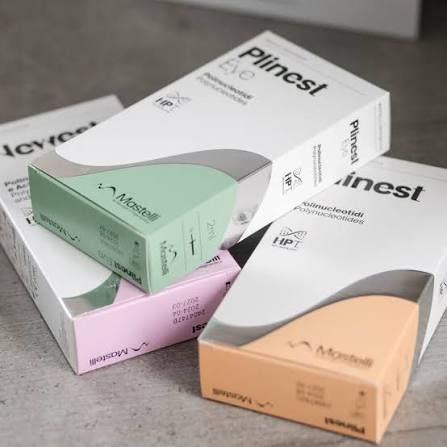
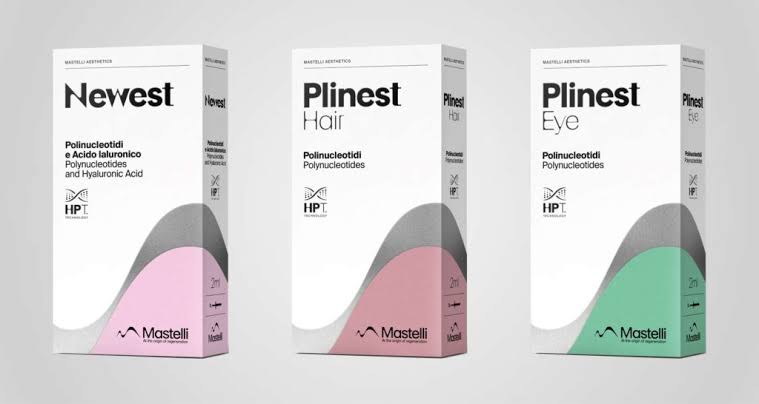
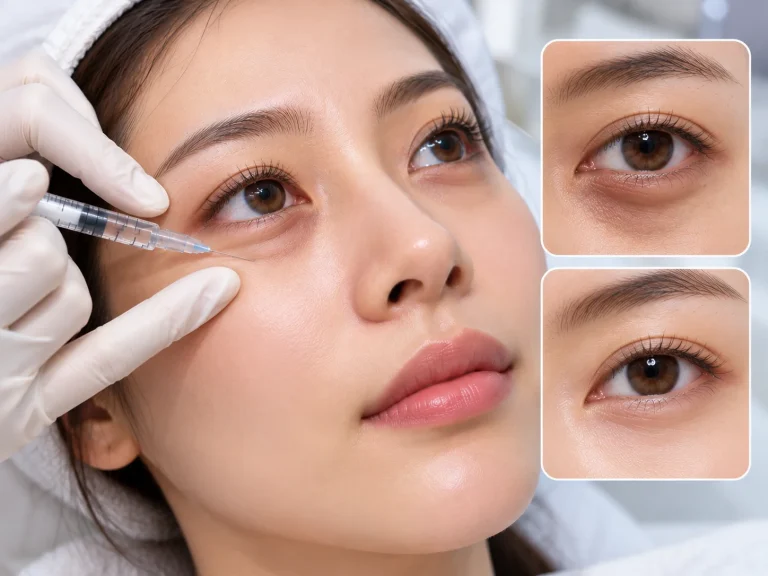
For the delicate, thin under-eye area, Rejuran I is a low-viscosity polynucleotide formulation developed specifically for this zone, where standard fillers or thicker skin boosters would be too heavy to inject safely. It targets fine lines, crepiness, and dark circles caused by skin thinning, improving skin quality and thickness from within rather than adding volume. This makes it particularly suited to structural dark circles caused by thinning skin rather than pigment. Broader skin booster options can also support overall under-eye skin quality as part of a combined plan.
PRP (Platelet-Rich Plasma)
PRP uses a concentrated portion of your own blood, rich in growth factors, to support collagen production and improve skin quality under the eyes. It’s a reasonable option for people who prefer a treatment using their own biological material rather than an injectable product, and works especially well for the thinning-skin component of structural dark circles. Most people need a course of around 3 sessions for a noticeable result.
Fillers
Hyaluronic acid fillers can soften under-eye hollows directly, making them the go-to option for structural dark circles caused by genuine volume loss (tear troughs). Because this area sits close to delicate blood vessels, filler here should only be performed by an experienced, LCP-certified injector, see our dermal fillers guide for how these are used more broadly. For pronounced fat pad bulging rather than a hollow, blepharoplasty (surgery) may be more appropriate than filler.
When to See a Doctor
Most dark circles are cosmetic rather than medical, but it’s worth seeing a doctor if:
- Dark circles appeared suddenly or worsened rapidly without an obvious cause
- You suspect an underlying condition, persistent fatigue, unexplained bruising-like discoloration, or symptoms suggesting anemia or a thyroid issue
- You’re on medication (such as certain glaucoma eye drops) and have noticed new dark circles since starting it
- Home remedies and over-the-counter products haven’t helped after several weeks of consistent use
- You want to explore in-clinic treatment like laser, fillers, or skin boosters and need a proper assessment of which type of dark circle you have
A proper consultation can confirm which of the three types is driving your dark circles, since treating the wrong type (for example, using pigment-fading laser on a purely structural hollow) rarely produces meaningful results.
Frequently Asked Questions
What’s the most effective treatment for dark circles? There isn’t a single answer, since dark circles usually involve more than one type (pigmentation, vascular, and structural can overlap). Matching treatment to your dominant type, Pico or Q-switched laser for pigmentation, cold therapy for vascular, fillers or skin boosters for structural, works better than any one product alone.
Can dark circles (panda eyes) be removed permanently? Pigmentation-type circles can fade significantly and stay faded with consistent treatment and sun protection. Structural (hollow) types generally need volume restoration to fully resolve, since no topical product can rebuild lost fat or collagen, and results are long-lasting but not necessarily permanent. Vascular types improve with better circulation and rest but can return with fatigue.
How much does dark circle treatment cost in Malaysia? It depends on the type and treatment: Pico or Q-switched laser typically runs RM300 to RM1,500 per session (usually 3–6 sessions), Rejuran or skin boosters RM1,200 to RM2,500 per session, PRP RM800 to RM1,500 per session, and tear trough filler RM1,200 to RM3,500 per syringe. A consultation will confirm the right plan and total cost for your specific case.
Can dark circles be a sign of a health problem? Occasionally. Iron deficiency anemia, thyroid conditions, and certain glaucoma medications can all contribute to dark circles. Persistent or unexplained dark circles are worth mentioning to a doctor.
Are dark circles genetic? Yes, they frequently run in families, particularly the pigmentation type, and tend to be more noticeable in people with darker skin tones.
Why do my dark circles look worse in the morning? Overnight fluid retention, especially when lying flat or on your side, allows gravity to pull fluid toward the face, worsening the vascular and puffiness component. Sleeping with your head slightly elevated can help.
Is Rejuran, PRP, or filler better for dark circles? It depends on the cause. Rejuran I and PRP improve skin quality and thickness for thinning, crepey under-eye skin, while filler directly restores lost volume in a genuine hollow (tear trough). A consultation can confirm which mechanism your dark circles actually need.
Bottom Line
Dark circles, or panda eyes, aren’t one problem, they’re pigmentation, visible vessels, or structural shadowing, often in combination, which is exactly why identifying your type matters more than chasing every remedy at once. At CLEO clinic, assessments are carried out under the supervision of LCP-Certified doctors to identify which type (or combination) you’re dealing with and recommend the treatment, and realistic cost, that actually addresses it. See our full range of treatable conditions, or book a consultation for a personalized assessment.