
Debunking Typical Misconceptions Surrounding CoolSculpting
Follow Us For More Content:


Medical Disclaimer
This content is for informational and educational purposes only. It is not intended to provide medical advice or to take the place of such advice or treatment from a personal physician. All readers/viewers of this content are advised to consult their doctors or qualified health professionals regarding specific health questions. Neither CLEO Clinic nor the publisher of this content takes responsibility for possible health consequences of any person or persons reading or following the information in this educational content. All viewers of this content, especially those taking prescription or over-the-counter medications, should consult their physicians before beginning any nutrition, supplement or lifestyle program.
Recent Articles
Blog

XERF vs Thermage: Which Radiofrequency Treatment Is Better?
XERF vs Thermage compared: dual-frequency versus single-frequency RF, depth control, comfort, who each suits and when another treatment is the better choice.
Blog

Tips Hidung Mancung: Cara Selamat, Yang Berkesan dan Yang Tidak
Tips hidung mancung yang selamat: solekan, penjagaan kulit dan apa yang tidak berkesan. Ketahui pilihan filler dan rhinoplasty, risiko dan bila perlu berjumpa doktor sebelum membuat keputusan.
Aesthetic treatments

Rejuran Healer vs HB: Which Skin Booster Is Right for You?
Rejuran Healer vs HB compared: ingredients, hydration, comfort, who each suits, downtime and side effects, so you can choose the right Rejuran skin booster in Malaysia.
Aesthetic treatments

Oxygeneo Facial Malaysia: What It Is, Benefits & Results
Oxygeneo facial in Malaysia: what it is, the exfoliate, infuse and oxygenate steps, results over a course, aftercare, side effects, and how to check the device and clinic before you book.
Aesthetic treatments

Exosome vs PRP: Which Is Better for You?
Exosome vs PRP compared: source, evidence for hair and skin, safety, downtime and cost factors, so you can choose the right regenerative treatment in Malaysia.
Aesthetic treatments
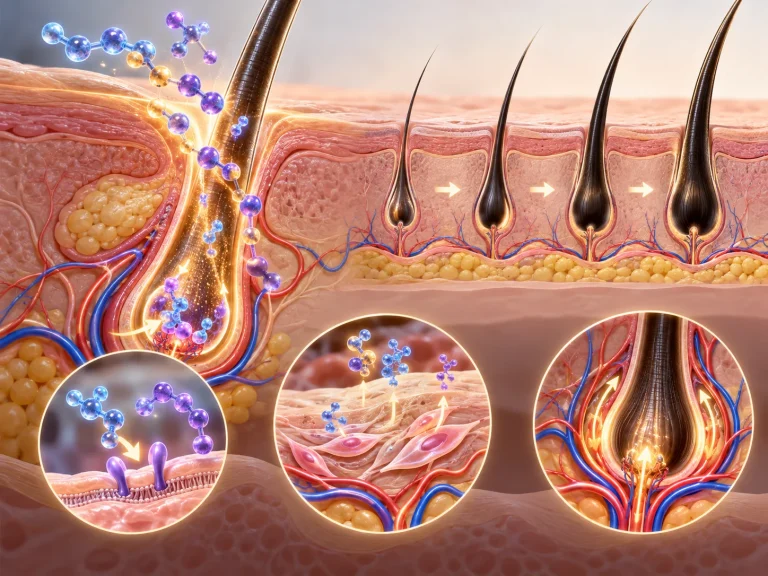
Peptides for Hair Growth: What the Evidence Shows and How Safe They Are
Learn which peptides have evidence for hair growth, what the research shows, safety concerns with unregulated peptides, and proven hair loss options in Malaysia.