
Table of Contents
- What to Do Right After HIFU
- Keep Skin Cool and Hydrated
- Gentle Cleansing With Lukewarm Water
- HIFU Aftercare Don’ts
- Avoid Heat, Saunas and Steam
- Avoid Alcohol, Smoking and Hard Exercise
- Avoid Rubbing, Scrubbing and Exfoliation
- Avoid Harsh Actives for 3 to 5 Days
- Safe Skincare After HIFU
- Products to Use
- Products to Avoid
- Sun Protection After HIFU
- SPF and Sun Exposure Guidelines
- HIFU Aftercare Timeline: Day by Day
- First 24 to 48 Hours
- First Week
- Weeks to Months After Treatment
- Normal HIFU Side Effects vs Warning Signs
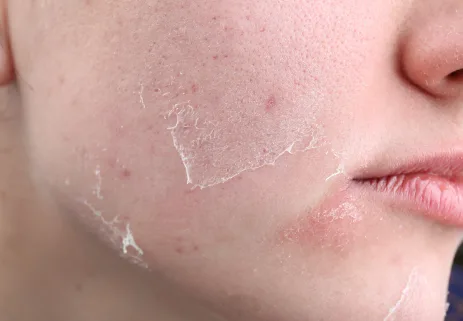
- Common Side Effects That Settle
- When to Contact Your Clinic
- Returning to Makeup, Exercise and Routine
- When You Can Return to Normal Activities
- Frequently Asked Questions
- How Long Should I Avoid Exercise After HIFU?
- Can I Wear Makeup After HIFU?
- When Will I See HIFU Results?
Quick answer: After HIFU, keep your skin cool, gentle and protected. Most redness and swelling settle within a few days, and bruising can take a few weeks. In the first week, avoid heat, saunas, alcohol, hard exercise, rubbing and harsh actives, and wear sunscreen daily. Contact your clinic straight away if you notice severe pain, blistering, spreading redness, fever or changes in vision. For the full treatment overview, see our HIFU facelift treatment page.
What to Do Right After HIFU
Your skin may feel warm, tender and slightly swollen after treatment. Gentle care in the first 24 to 48 hours helps the skin settle comfortably.
Keep Skin Cool and Hydrated
Apply a cool, clean compress wrapped in a cloth for short periods if your clinic advises it. Drink enough water, and use a simple, fragrance-free moisturiser to keep the skin comfortable. Do not apply ice directly to the skin, since this can irritate it.
Gentle Cleansing With Lukewarm Water
Clean the face with lukewarm water and a mild, fragrance-free cleanser. Pat the skin dry with a soft towel rather than rubbing it. If your clinic has given you specific aftercare products, use them as instructed.
HIFU Aftercare Don’ts
Avoiding certain activities and products during recovery helps reduce irritation and supports healing.
Avoid Heat, Saunas and Steam
Heat can increase redness and swelling. Avoid saunas, steam rooms, very hot showers, hot drinks taken on the face, and direct heat from heaters or hair dryers on the treated area for the advised period, which is usually about a week.
Avoid Alcohol, Smoking and Hard Exercise
Alcohol and smoking can slow healing and may increase bruising. Avoid strenuous exercise that makes you sweat or raises your heart rate for the advised time, since sweating and heat can worsen swelling.
Avoid Rubbing, Scrubbing and Exfoliation
Do not massage, rub, press or scrub the treated area unless your clinic instructs you to. Avoid facial scrubs, brushes and exfoliating devices until the skin has settled.
Avoid Harsh Actives for 3 to 5 Days
Pause retinoids, strong acids and other exfoliating actives for at least 3 to 5 days, or for longer if your clinic advises. Restart them gradually once the skin feels normal. For guidance on retinoids, read our tretinoin uses and side effects guide.
Safe Skincare After HIFU
Products to Use
- A gentle, fragrance-free cleanser
- A simple, non-comedogenic moisturiser that calms the skin
- A broad-spectrum sunscreen with at least SPF 30, applied every morning
- Products recommended by your clinic for aftercare
If your skin is sensitive, our guide to kulit sensitif: punca, ciri-ciri dan cara mengatasinya explains how to care for reactive skin.
Products to Avoid
- Retinoids and retinol serums, until your clinic confirms it is safe
- Strong acids, including high-strength AHAs, BHAs and vitamin C serums that sting
- Scrubs, exfoliating brushes and physical exfoliants
- Products with added fragrance or alcohol that can sting the skin
- Heavy makeup or new products applied on the day of treatment
Sun Protection After HIFU
SPF and Sun Exposure Guidelines
Sun protection is important after HIFU, because freshly treated skin can be more sensitive and pigment changes are more likely in darker skin types. Use a broad-spectrum sunscreen with at least SPF 30 every morning and reapply every two hours when outdoors. Wear a hat and sunglasses, and avoid direct sun during peak hours. For help choosing a sunscreen, read our guide on physical vs chemical sunscreen.
HIFU Aftercare Timeline: Day by Day
First 24 to 48 Hours
Expect warmth, tenderness, mild swelling and redness. Keep the skin cool, hydrated and protected from the sun, and avoid heat, alcohol and rubbing.
First Week
Redness and swelling usually ease over the first few days, and some people notice small bumps or mild bruising. Continue avoiding heat, harsh actives and hard exercise. Your clinic may schedule a check-up during this time.
Weeks to Months After Treatment
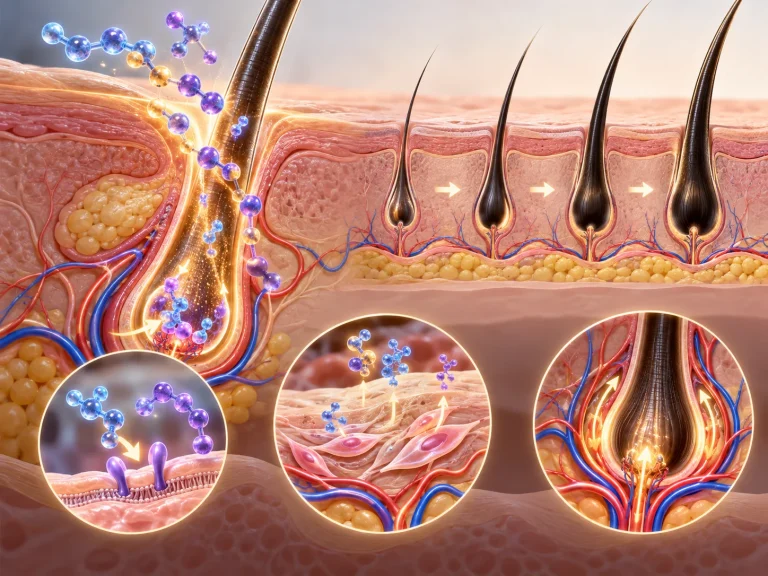
Bruising can take a few weeks to fade. Lifting and tightening develop gradually as collagen builds over the following months. Published reports on micro-focused ultrasound treatments describe redness settling within about two days, swelling within about a week and bruising within around three weeks, although individual timelines vary (systematic review of microfocused ultrasound effectiveness and safety). For what to expect over the longer term, read our Ultherapy PRIME results timeline and longevity guide.
Normal HIFU Side Effects vs Warning Signs
Common Side Effects That Settle
- Redness and warmth
- Mild swelling
- Tenderness or tingling
- Small bruises
- Temporary sensitivity to heat or pressure
These effects are usually mild and resolve on their own. For a fuller breakdown, read our Ultherapy PRIME safety profile.
When to Contact Your Clinic
Contact your clinic straight away if you notice:
- Severe or increasing pain
- Blisters, open wounds or crusting
- Spreading redness, heat or pus
- Fever or feeling generally unwell
- Numbness, weakness or tingling that does not settle
- Any change in vision
- Pale, blue or dark skin in the treated area
These can be signs of infection, a burn or a nerve effect, and they need prompt medical review. Our guide to important questions to ask your doctor can help you prepare.
Returning to Makeup, Exercise and Routine
When You Can Return to Normal Activities
Most people return to normal daily activities quickly, with the main limits being heat, exercise and rubbing. Ask your clinic when it is safe to resume exercise, wear makeup and use your usual skincare. If you want to read more about the procedure itself, see our guide to whether Ultherapy PRIME is painful, which describes what to expect during treatment.
Frequently Asked Questions
How Long Should I Avoid Exercise After HIFU?
Avoid strenuous exercise, heavy sweating and heat for the advised period, which is usually about a week. Light walking is generally fine. Your clinic will confirm when you can return to your usual routine.
Can I Wear Makeup After HIFU?
Many people can wear light makeup after a short wait, but avoid applying it on freshly treated skin until your clinic says it is safe. Choose clean, non-comedogenic products and remove them gently.
When Will I See HIFU Results?
Early changes may be visible within a few weeks, while the main lifting effect develops over the following months as collagen builds. Results vary by person, area and treatment plan. For a broader comparison, see our Ultherapy vs HIFU guide.
To discuss your aftercare plan or any concerns after treatment, contact CLEO clinic. You can also read about our doctors.
Disclaimer: The information on this page is for educational and informational purposes only and does not constitute medical advice or establish a doctor-patient relationship. Aftercare instructions vary by device, treatment area and individual, so always follow your treating doctor’s advice. Individual results vary. Please contact a qualified healthcare professional if you have concerns after any treatment.