Table of Contents
- What Are Peptides?
- Peptides vs Proteins: What Is the Difference?
- Peptides Your Body Makes Naturally
- How Peptides Work
- Peptides as Chemical Messengers
- Peptides in Skincare and Collagen Production
- Peptide Benefits and Clinical Evidence
- Skin Benefits Supported by Research
- Muscle, Healing and Metabolic Research
- Peptide Types and Uses
- Signal Peptides, Carrier Peptides and Neurotransmitter Peptides
- Peptides in Medical Treatments
- Peptide Safety and Side Effects
- Common Side Effects
- Unregulated and Online-Sourced Peptides
- Who Should Avoid Peptides
- Peptide Products vs Medical Treatments
- Peptide Skincare Products
- Clinic-Administered Peptide Treatments
- Peptide Regulation and Availability in Malaysia
- Checking Product Registration With NPRA
- Frequently Asked Questions
- Are Peptides Safe?
- Do Peptide Skincare Products Work?
- Are Peptides Approved by the FDA?
- What should I ask my doctor about peptides?
Quick answer: Peptides are short chains of amino acids that act as signals in the body. Some are approved medicines, such as semaglutide and tirzepatide. Others are used in skincare, where signal peptides are thought to encourage collagen production. Topical cosmetic peptides have some supporting research, but the evidence is generally modest and varies by product. Peptides sold as research-use-only or through unregulated online channels have no verified quality or safety data. Always check what a product is, where it comes from, and whether it is registered before using it.
Peptides appear everywhere now, from serums and supplements to clinic menus and social media posts that promise faster results. The word covers very different things, and the evidence behind each one varies widely. This guide explains what peptides are, how they work in the body and in skincare, what the research shows, and the safety points to raise with your doctor.
What Are Peptides?
Peptides are short chains of amino acids, the building blocks of proteins. There is no strict cut-off, but chains are usually considered peptides when they contain fewer than about 50 amino acids. Because they are small, they can carry signals between cells, acting as messengers that tell the body to do something specific.
Peptides vs Proteins: What Is the Difference?
The main difference is size and function. Proteins are longer chains that fold into complex three-dimensional shapes and often perform structural or enzymatic jobs. Peptides are shorter and tend to act as signals, binding to specific receptors to trigger a response. The line between the two is a convention rather than a strict biological boundary.
Peptides Your Body Makes Naturally
Your body produces many peptides as part of normal function. Insulin is a peptide hormone that helps regulate blood sugar. GLP-1, a hormone released after eating, is another, and it is the basis of several weight-loss medicines. Collagen fragments produced during normal tissue repair are sometimes called matrikines, and researchers study them for their role in skin signalling.
How Peptides Work
Peptides as Chemical Messengers
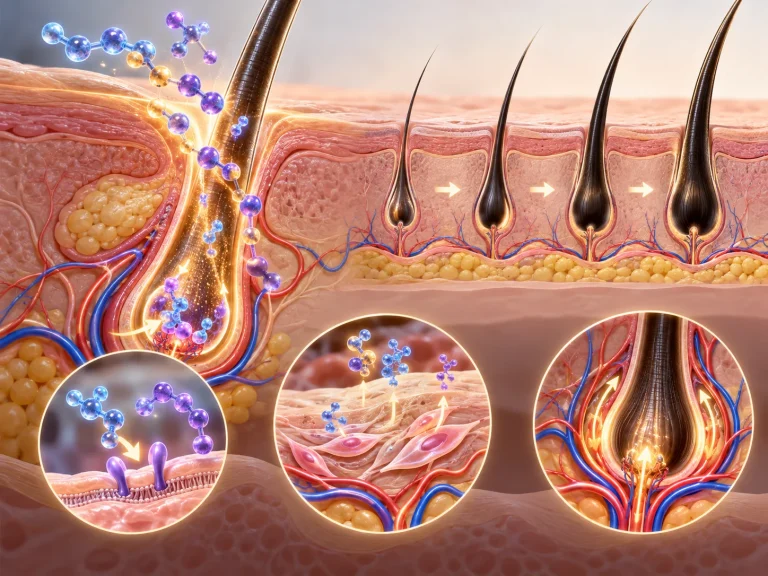
Peptides work by binding to receptors on cell surfaces or within tissues, which can switch on or off a process. This is why small differences in amino acid sequence can produce very different effects. The same principle explains why some peptides are approved medicines while others are still being studied.
Peptides in Skincare and Collagen Production
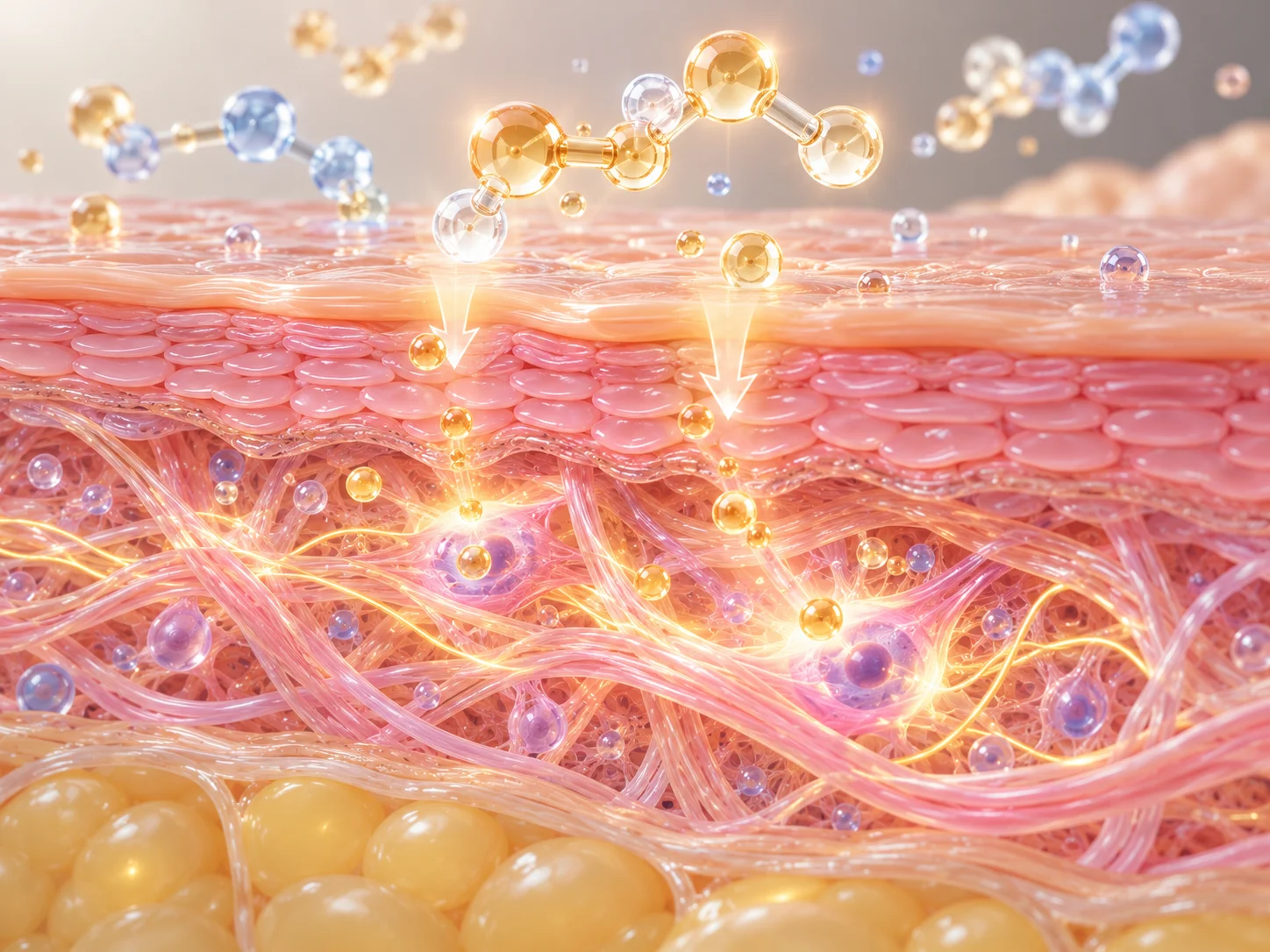
In skincare, peptides are usually grouped into four families: signal peptides, carrier peptides, neurotransmitter-inhibitor peptides and enzyme-inhibitor peptides. Signal peptides are designed to stimulate fibroblasts, the cells that make collagen and elastin. Carrier peptides deliver trace minerals such as copper, which is needed for collagen formation. Neurotransmitter-inhibitor peptides are marketed for expression lines, and enzyme-inhibitor peptides are intended to slow the breakdown of the skin’s structural proteins. A review of cosmetic peptides describes these four classes and their proposed mechanisms (PMC: Peptides as candidates for preventing and treating skin senescence).
Common examples include palmitoyl pentapeptide-4 (sold as Matrixyl) and acetyl hexapeptide-8 (often called Argireline). These are topical ingredients, and their effects on the skin depend heavily on the formula, the concentration and the delivery system.
Peptide Benefits and Clinical Evidence
Skin Benefits Supported by Research
Several topical peptides have been tested in small human studies. Reviews suggest that some signal peptides may improve skin firmness and texture with consistent use, and that certain peptides may soften the look of expression lines. Oral collagen peptide supplements have also been studied for skin hydration and elasticity, although study quality varies (PMC: cosmeceuticals containing peptides, biotics and marine ingredients).
Important limits apply. Many peptide skincare studies are small, short, or funded by manufacturers. Some products contain mixtures of ingredients, so the effect of a single peptide is hard to isolate. Results are usually modest compared with prescription treatments such as retinoids or injectable therapies, and they vary between individuals.
Muscle, Healing and Metabolic Research
Beyond skin, peptides are being studied for muscle, wound healing and metabolism. Some approved medicines are peptides with strong evidence, including GLP-1 medicines for diabetes and weight management. Many other peptides, however, appear in laboratory or animal research only, and their use in people has not been established. Claims about muscle growth, healing or fat loss from unapproved peptides should be treated with caution.
Peptide Types and Uses
Signal Peptides, Carrier Peptides and Neurotransmitter Peptides
Each class has a different purpose. Signal peptides are used to support collagen and elastin. Carrier peptides, such as the copper peptide GHK-Cu, are studied for wound healing and skin repair. Neurotransmitter-inhibitor peptides are used in products aimed at expression lines, although their effect is generally smaller than botulinum toxin. Enzyme-inhibitor peptides are used to protect existing skin structure. The evidence for each class differs, and the best-studied topical options are usually signal and neurotransmitter peptides in well-designed products.
Peptides in Medical Treatments
Some peptides are approved medicines. Semaglutide and tirzepatide are peptide-based weight-management and diabetes treatments, and teriparatide is a peptide used for osteoporosis. These medicines have been tested in clinical trials, carry prescribing information, and must be supervised by a doctor. Read our guides to Wegovy eligibility and Mounjaro side effects for more detail.
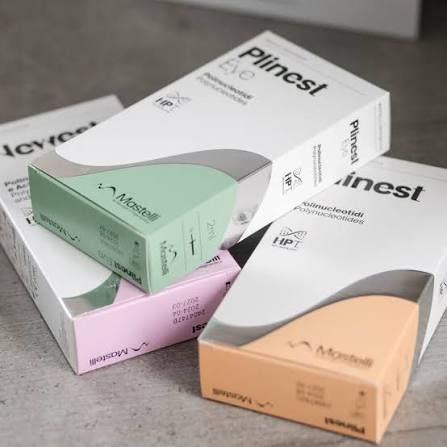
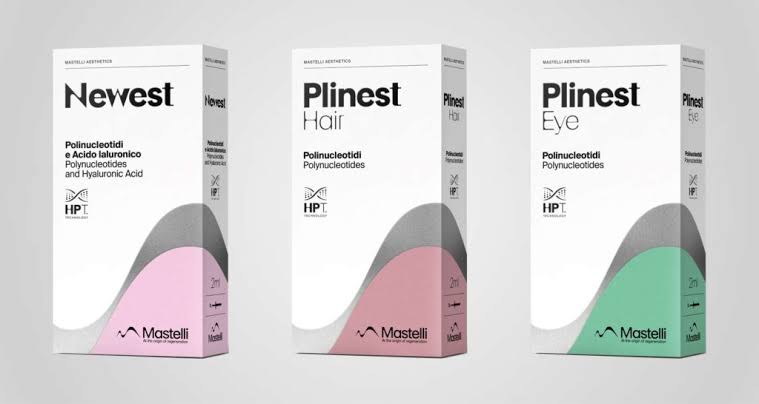
Clinic treatments that use peptide-containing products, such as collagen biostimulators or some skin boosters, are different again. They are medical devices or injectable products with their own evidence base. Read more about collagen biostimulators for a comparison.
Peptide Safety and Side Effects
Common Side Effects
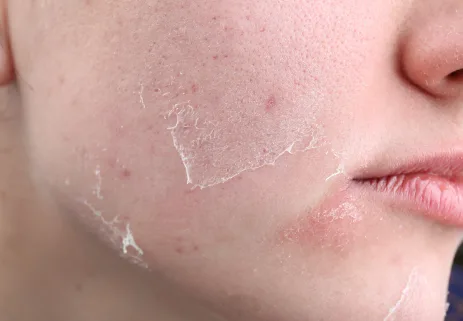
Topical peptide products are generally well tolerated. Possible effects include redness, stinging, itching or a rash, especially if the product contains other active ingredients. Patch-test new products, and stop using a product if irritation persists. Approved peptide medicines have their own side-effect profiles, such as digestive upset with GLP-1 medicines, which are described in their prescribing information and in our Ozempic side effects guide.
Unregulated and Online-Sourced Peptides
The greatest risk comes from peptides sold online without medical oversight. The US Food and Drug Administration has taken a cautious position on compounded peptides. In 2023 it moved to restrict several peptides from being compounded for human use, citing immunogenicity, toxicity and impurity risks. In 2026 an FDA advisory committee recommended adding some peptides to the list of substances that compounding pharmacies may use, but this is not a final approval, and FDA staff raised concerns about the evidence (Kelley Drye on the 2026 FDA peptide advisory committee).
Products labelled research-use-only or not for human consumption have not been made or tested for human use. They may contain the wrong peptide, the wrong dose, or contaminants that cause infection. Avoid buying peptide injections or powders from websites that do not require a prescription.
Who Should Avoid Peptides
Peptide products are not suitable for everyone. Speak to a doctor before use if you are pregnant or breastfeeding, have a history of cancer, have a known allergy to a product ingredient, have diabetes or take glucose-lowering medicines, or have a condition affecting your immune system. People with sensitive or inflamed skin should introduce topical products slowly.
Peptide Products vs Medical Treatments
Peptide Skincare Products
Peptide serums and creams are cosmetic products. They are usually used daily for months, and results are gradual. They are not the same as prescription treatments and should not be treated as a replacement for them. For a routine that includes peptides alongside proven ingredients, see our guide to anti-wrinkle serums in Malaysia. Read about collagen peptide supplements if you are considering them.
Clinic-Administered Peptide Treatments
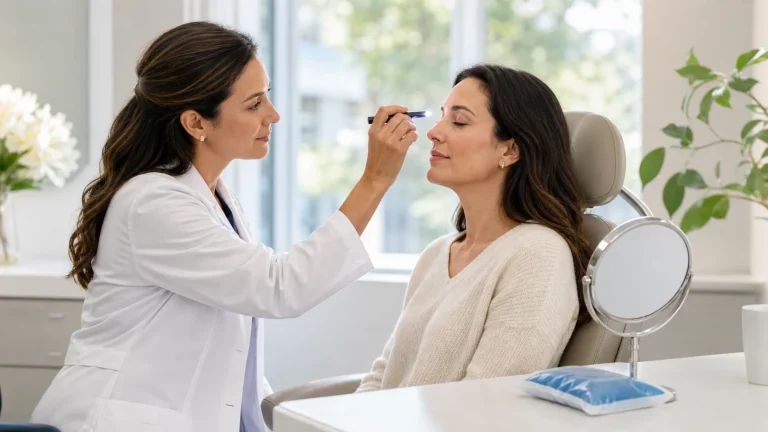
Clinic treatments that involve peptide-containing products are administered by a doctor and usually follow a set protocol. They have more controlled ingredients and more monitoring, but they still carry risks, and results vary. Your doctor should explain the product, its registration status, the expected timeline and the side effects before treatment.
Peptide Regulation and Availability in Malaysia
Checking Product Registration With NPRA
In Malaysia, medicines and many health products must be registered with the National Pharmaceutical Regulatory Agency (NPRA). You can check registration using the Product Search function on the NPRA website. A product that is not registered, or that you cannot verify, should not be used. Ask your clinic for the product name, registration number and batch details before any treatment.
Frequently Asked Questions
Are Peptides Safe?
It depends on the peptide, the product and how it is used. Approved peptide medicines have strong safety data and prescribing information. Topical cosmetic peptides are generally well tolerated but have limited long-term evidence. Unregulated injectable or research peptides carry serious risks, including infection and unknown ingredients.
Do Peptide Skincare Products Work?
Some topical peptides have supporting research, mainly for firmness, texture and expression lines. The effects are usually modest and depend on the formula. Peptide products should be used alongside proven treatments such as sunscreen and, where appropriate, prescription retinoids, rather than as a replacement.
Are Peptides Approved by the FDA?
Some are and some are not. Several peptide medicines, including semaglutide, tirzepatide and teriparatide, are FDA-approved for specific uses. Most peptide skincare ingredients are regulated as cosmetic ingredients rather than drugs. Many peptides sold online are neither approved nor listed as safe for compounding, and FDA regulatory positions on compounded peptides are still changing in 2026.
What should I ask my doctor about peptides?
Ask which peptide is proposed, what human evidence supports it, whether the product is registered in Malaysia, where it is sourced, what the side effects are and how the treatment will be monitored. If the answer is unclear, that is a reason to pause.
To discuss whether a peptide-based product or treatment suits you, contact CLEO clinic or read about our doctors.
Disclaimer: The information on this website is for educational and informational purposes only and does not constitute medical advice or establish a doctor-patient relationship. Individual results may vary. All treatments carry risks. Please consult a qualified healthcare professional for a medical assessment before undergoing any treatment.