Table of Contents
- What Is the Difference Between 2% and 5% Minoxidil?
- What the Trial Evidence Shows for Men
- What About Women?
- Is Higher Than 5% Better?
- Irritation and Side Effects
- How to Choose Between 2% and 5%
- Consider 2% If
- Consider 5% If
- How to Use Topical Minoxidil Well
- Who Should Be Careful
- Frequently Asked Questions
- Is 5% minoxidil stronger than 2%?
- Can women use 5% minoxidil?
- Should I combine minoxidil with other treatments?
- How long does it take to see results?
Quick answer: For men with male pattern hair loss, the best-studied option is 5% topical minoxidil. In a 48-week randomised trial, it produced clearly more hair regrowth than 2%, although it also caused more scalp itching and irritation. For women, 2% is often the first choice because it tends to irritate less, and 5% can be used under medical guidance. Strengths above 5% have not been established as better. The right strength depends on your sex, your scalp sensitivity and your response, so discuss it with a doctor before choosing.
Topical minoxidil is one of the most common hair loss treatments in Malaysia, and it is sold over the counter in both 2% and 5% strengths. Many people are unsure which one to buy. The two strengths are not interchangeable, and the research shows different results for men and women. This guide explains what the trials show, how irritation compares, who each strength suits, and how to use it well. For the full range of options at our clinic, see our minoxidil and finasteride hair loss treatment page.
What Is the Difference Between 2% and 5% Minoxidil?
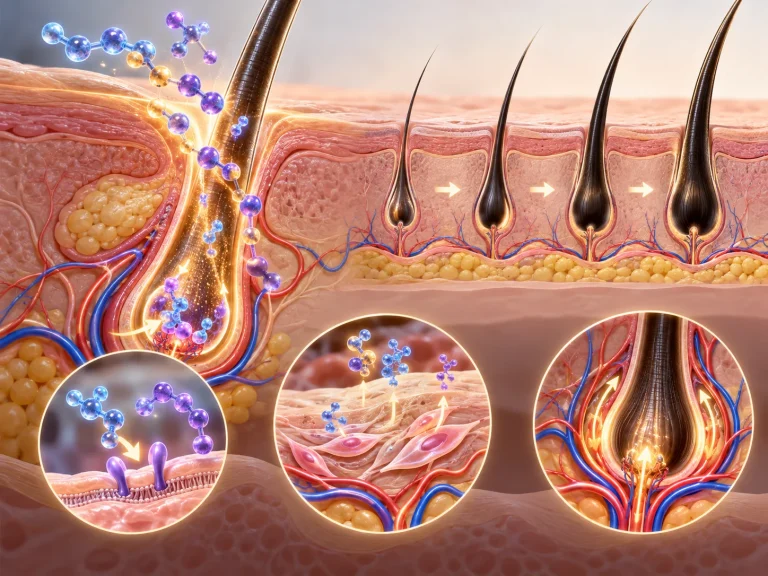
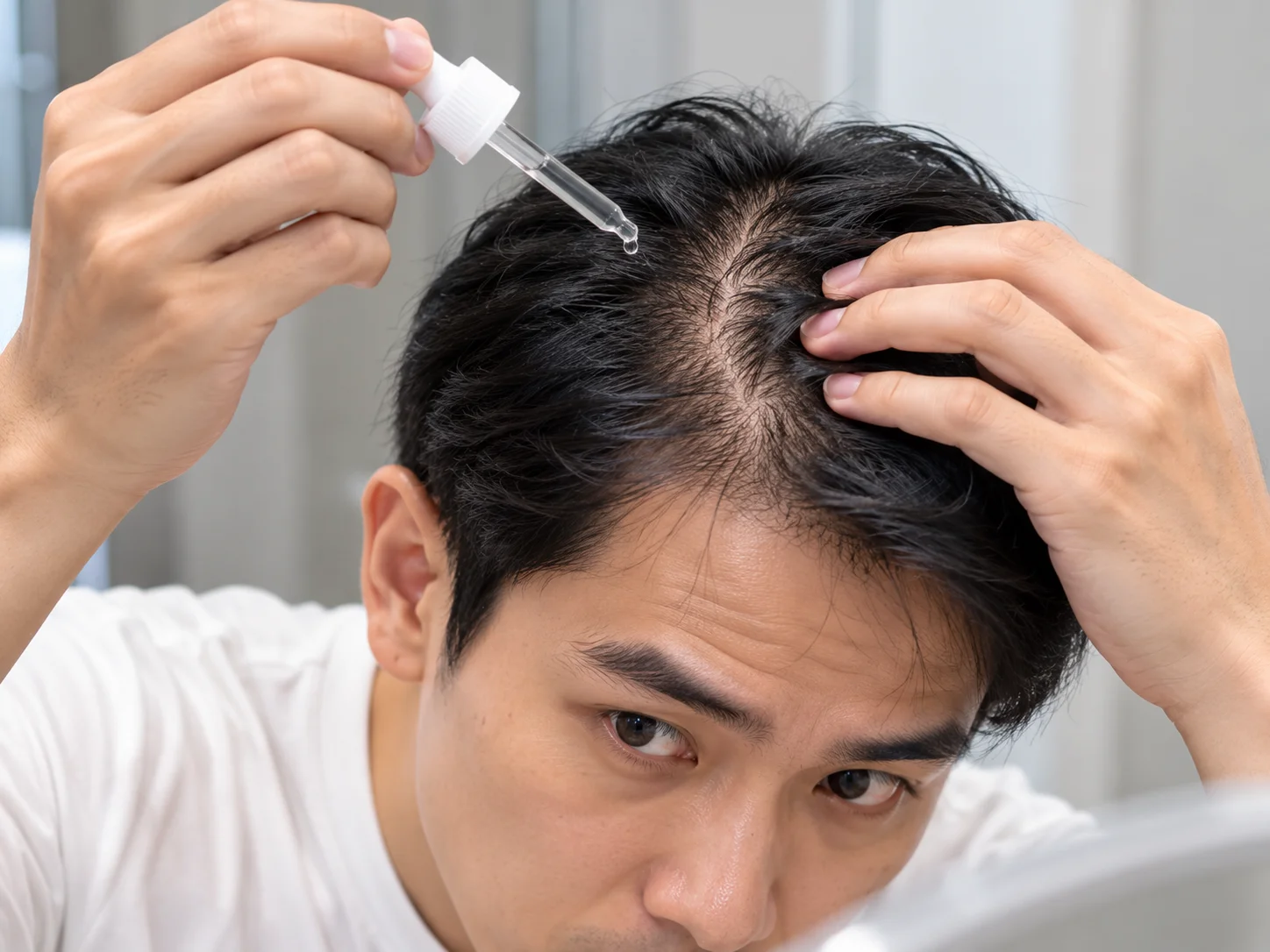
Both products contain the same active ingredient, minoxidil, at different concentrations. Minoxidil is a topical treatment that extends the growth phase of hair follicles and improves blood flow around them. Both strengths are FDA-approved for androgenetic alopecia, which covers male pattern hair loss and female pattern hair loss. The difference is concentration, and that affects both how much hair grows and how much the scalp reacts.
What the Trial Evidence Shows for Men
The most cited comparison is a 48-week, double-blind, placebo-controlled trial of 393 men with androgenetic alopecia. Men applied 5% minoxidil, 2% minoxidil or a placebo twice daily. The authors reported that 5% produced clearly more regrowth than 2%, with 45% more hair regrowth than 2% at week 48. Men on 5% also responded earlier than those on 2% (Olsen et al., Journal of the American Academy of Dermatology: 5% vs 2% topical minoxidil in men).
The same trial reported more itching and local irritation with 5% than with 2%. Both strengths were well tolerated, with no systemic effects reported. Results from one trial should be read as strong evidence for a single population, not a guarantee for every person.
What About Women?
Women are generally treated with lower concentrations, and 2% is often the first choice. Some women, however, use 5% under a doctor’s supervision, particularly if 2% has not produced a response. Research in women has been smaller and more mixed, and the trials that exist have not always compared the two strengths in the same way as the men’s trial. Ask your doctor which strength suits your hair pattern and scalp.
Is Higher Than 5% Better?
Stronger products such as 10% or 15% minoxidil are sometimes promoted online. The evidence for these strengths is limited. Some small studies in women have reported benefits at higher strengths (review of topical minoxidil above 5%), but other studies have not shown clear added benefit, and the irritation risk tends to rise with concentration. Strengths above 5% are not the standard recommendation, and they should only be considered with a doctor’s guidance.
Irritation and Side Effects
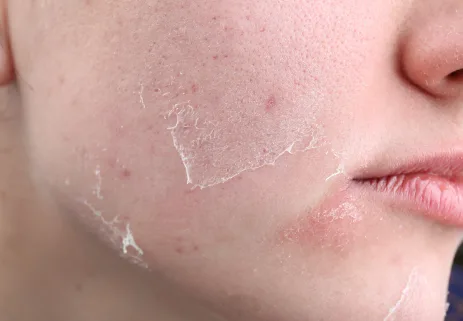
The most common side effects of topical minoxidil are scalp itching, dryness, redness and flaking. These are more likely with 5%, and they are often more noticeable when the product is applied to a dry scalp or left on sensitive skin. Some people also notice unwanted hair growth on the face or hands if the product spreads. A temporary increase in shedding in the first few weeks is also common, as discussed in our minoxidil results and timeline guide.
Stop using the product and speak to a doctor if you develop a rash, swelling, chest pain, dizziness, or a fast heartbeat. These are not typical effects and need medical assessment.
How to Choose Between 2% and 5%
Consider 2% If
- You are a woman who wants to start with a gentler option
- Your scalp is sensitive or you have had irritation with other products
- You are not sure yet whether minoxidil suits you and want to start cautiously
Consider 5% If
- You are a man with male pattern hair loss and your doctor recommends it
- 2% has been used consistently for several months without enough response
- Your scalp tolerates the product well
Whichever strength you choose, consistency matters. Topical minoxidil works only while it is used, and results usually take several months to appear. Stopping it generally leads to a return of the hair loss over time.
How to Use Topical Minoxidil Well
- Apply it to a dry scalp, following the product instructions for the amount and frequency
- Use it regularly rather than occasionally
- Wash your hands after application and avoid touching other areas
- Allow the product to dry before styling or going to bed
- Track progress with photos taken in the same light every month
Who Should Be Careful
Speak to a doctor before using minoxidil if you have heart disease, low blood pressure, a scalp condition such as eczema or psoriasis, or if you are pregnant or breastfeeding. Medicines that affect blood pressure may also interact with minoxidil, so tell your doctor about all medicines you take.
Frequently Asked Questions
Is 5% minoxidil stronger than 2%?
In concentration, yes. In men, the trial evidence shows 5% produced more hair regrowth than 2%, but it also caused more irritation.
Can women use 5% minoxidil?
Some women do, under medical guidance. Many start with 2% because it tends to cause less irritation.
Should I combine minoxidil with other treatments?
Many people use minoxidil alongside other treatments, such as finasteride or PRP, depending on their diagnosis. Read our guide to PRP combined with minoxidil or finasteride for one example, and discuss your options at consultation.
How long does it take to see results?
Most people need several months of consistent use before seeing a clear change. The trial above measured results at 48 weeks.
To discuss which strength suits your hair loss, contact CLEO clinic or read about our doctors. For the full treatment range, see our minoxidil and finasteride treatment page.
Disclaimer: The information on this website is for educational and informational purposes only and does not constitute medical advice or establish a doctor-patient relationship. Individual results may vary. Please consult a qualified healthcare professional for a medical assessment before using any hair loss treatment. All treatments carry risks.