Table of Contents
- What Is Ultherapy Prime?
- Common Side Effects
- Less Common and Rare Risks
- Who Should Avoid Ultherapy Prime
- Why Technique and Visualisation Matter
- What to Do After Treatment
- How to Check a Clinic Before You Book
- Frequently Asked Questions
- Is Ultherapy Prime safe?
- Can Ultherapy Prime cause permanent damage?
- How long do side effects last?
Quick answer: Ultherapy Prime is a non-invasive micro-focused ultrasound treatment with a generally favourable safety profile. Common effects are redness, mild swelling, tenderness and bruising, which usually settle within days to a few weeks. Rarer effects include temporary nerve changes such as numbness or tingling, and burns or lumps when treatment is poorly placed. Risk depends heavily on the doctor’s technique and the device, so choose a clinic that uses visualisation, verifies its device, and can manage complications. For the full treatment overview, see our Ultherapy PRIME treatment page.
Safety is one of the first questions people ask about Ultherapy Prime, and the answer depends on what is being compared. Most side effects are mild and temporary, but a small number of complications are serious enough to know about. This guide explains the common and rarer effects, who should avoid treatment, and what to check before booking.
What Is Ultherapy Prime?
Ultherapy Prime uses micro-focused ultrasound with visualisation (MFU-V). The ultrasound energy is delivered to the deeper layers of skin and fat, while real-time imaging helps the doctor see where the energy is going. It is cleared by the US Food and Drug Administration for specific non-surgical uses, including lifting the brow, under the chin and neck, and improving lines on the upper chest (consensus on safety of microfocused ultrasound with visualisation).
Common Side Effects
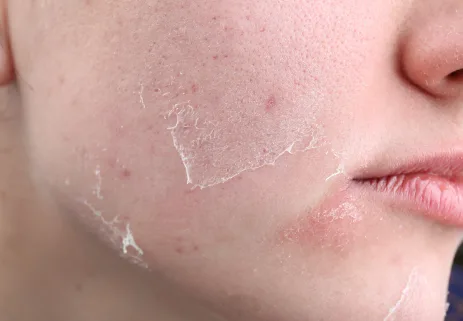
A systematic review and meta-analysis of MFU-V treatments found that common adverse events included erythema (redness), oedema (swelling), bruising and tenderness, all generally mild to moderate (systematic review and meta-analysis of MFU-V effectiveness and safety). In published reports, redness often resolved within about two days, swelling within about a week, and bruising within around three weeks.
- Redness and warmth over the treated areas
- Mild swelling and puffiness
- Tenderness or tingling during and after treatment
- Small bruises, which can take a few weeks to fade
- Temporary sensitivity to heat or pressure
Less Common and Rare Risks
Some complications are rarer but important to know about. Moderate to severe events reported with MFU-V include neuropraxia, a temporary nerve effect that can cause numbness or weakness, and some of these needed physical therapy, steroids or other treatment (consensus on safety of microfocused ultrasound with visualisation). Other complications that doctors monitor include burns, fat loss in the treated area, and lumps. Most are avoided through correct depth, energy and spacing, and visualisation helps reduce risk.
Who Should Avoid Ultherapy Prime
Treatment may not be suitable if you:
- Are pregnant or breastfeeding
- Have an active skin infection or open wounds in the treatment area
- Have a bleeding disorder or take blood thinners
- Have a history of keloid scarring, or unusual scar formation
- Have metal implants, pacemakers or other devices near the treatment area, which need a doctor’s review before treatment
- Have a current skin condition such as severe acne, eczema or rosacea in the area
Tell your doctor about all medicines and recent procedures at consultation.
Why Technique and Visualisation Matter
Much of the risk depends on how the treatment is delivered. Depth, energy, spacing and the amount of coupling gel all affect safety. Visualisation lets the doctor check the layers of skin in real time and avoid placing energy too close to bone, nerves or superficial tissue. Ask your clinic how they plan treatment depths, what they do if an adverse event occurs, and how long they will monitor you.
What to Do After Treatment
- Expect redness and swelling for a few days, and use a gentle moisturiser and sunscreen
- Avoid heat, strenuous exercise and harsh products on the treated areas for the advised period
- Contact your clinic straight away if you notice severe pain, spreading redness, blisters, fever, or numbness that does not settle
How to Check a Clinic Before You Book
- Ask whether the device is genuine and how it is verified. Our guide on how to verify you are getting authentic Ultherapy PRIME explains the checks.
- Ask who will perform the treatment and how many similar cases they have treated.
- Ask whether the clinic uses visualisation during treatment.
- Ask what their plan is for managing complications.
Frequently Asked Questions
Is Ultherapy Prime safe?
It has a generally favourable safety profile when performed by a trained doctor using correct technique. Most effects are mild and temporary, but rare complications can occur.
Can Ultherapy Prime cause permanent damage?
Serious permanent complications are rare, but they are possible with poor technique. This is why choosing an experienced clinic matters.
How long do side effects last?
Redness and swelling usually settle within days, and bruising can take a few weeks. Nerve-related numbness is usually temporary, but any symptom that persists should be reviewed promptly.
To discuss whether Ultherapy Prime is suitable for you, contact CLEO clinic or read about our doctors.
Disclaimer: The information on this page is for educational and informational purposes only and does not constitute medical advice or establish a doctor-patient relationship. Side-effect figures come from published studies of MFU-V devices and may not reflect every treatment. All treatments carry risks. Please consult a qualified healthcare professional for a medical assessment before treatment.