

Table of Contents
- What Is Tretinoin?
- A Vitamin A Derivative (Retinoic Acid)
- Is Tretinoin Prescription-Only?
- How Tretinoin Works
- Accelerating Skin Cell Turnover
- Reducing Inflammation, Not Just Clearing Pores
- Keeping Pores Clear
- Uses of Tretinoin
- Treating Acne
- Improving Sun-Damaged Skin
- Reducing Fine Lines and Wrinkles
- Fading Hyperpigmentation and Dark Spots
- How to Use Tretinoin
- Recommended Application Routine
- Starting Dosage and Building Tolerance
- What to Avoid While Using Tretinoin (Sun Exposure, Other Actives)
- Tretinoin Purging vs Irritation
- What to Expect in the First Few Weeks
- Side Effects of Tretinoin
- Common Side Effects (Dryness, Redness, Peeling)
- When Side Effects Signal You Should Stop or See a Doctor
- Who Should Avoid Tretinoin
- Pregnancy and Breastfeeding Precautions
- Tretinoin vs Other Retinoids (Retinol, Adapalene)
- How Long Does It Take to See Results?
- Frequently Asked Questions About Tretinoin (FAQ)
- Bottom Line
Tretinoin is one of the most extensively studied and prescribed ingredients in dermatology — the US FDA first approved it for acne in 1971, and later for treating sun-damaged skin in 1995 (40 years of topical tretinoin use, Journal of Drugs in Dermatology). Despite decades of use, it’s still often misunderstood: applied incorrectly, it can cause weeks of unnecessary irritation; used correctly, it remains one of the few topical ingredients with genuinely strong evidence behind it for acne, fine lines, and sun damage.
What Is Tretinoin?
Quick Answer: Tretinoin is a prescription-strength retinoid — a derivative of vitamin A — that speeds up skin cell turnover and stimulates collagen production, used topically to treat acne vulgaris, sun-damaged skin, fine lines, and hyperpigmentation.
A Vitamin A Derivative (Retinoic Acid)
Tretinoin is also known as all-trans retinoic acid (ATRA), the biologically active form of vitamin A. Unlike over-the-counter retinol, which the skin must convert into retinoic acid through several enzymatic steps before it becomes active, tretinoin is already in its active form — which is part of why it tends to work faster and more intensely than retinol, but also why it’s more likely to cause irritation, especially early in treatment.
It’s worth knowing that “tretinoin” refers to more than just the skincare product: the same molecule, taken orally at a much higher dose, is also an established treatment for acute promyelocytic leukemia (APL), a type of blood cancer — a completely different use, dose, and route of administration from the topical cream or gel used for skin. This guide covers topical tretinoin for skin only.
Is Tretinoin Prescription-Only?
Yes. Tretinoin is available only with a doctor’s prescription in most countries, including Malaysia. This is different from retinol and some other retinoid derivatives, which are available over-the-counter in cosmetic formulations. A doctor’s involvement matters here — not just to get the prescription, but to choose the right strength and formulation for your skin, and to guide you through the adjustment period that most new users go through.
How Tretinoin Works
Quick Answer: Tretinoin works by binding to retinoic acid receptors in skin cells, which accelerates cell turnover, normalizes how skin cells grow and shed, reduces inflammation, and helps keep pores clear of the debris that leads to breakouts.
Accelerating Skin Cell Turnover
Tretinoin binds to nuclear retinoic acid receptors within skin cells, triggering changes in gene expression that speed up how quickly skin cells mature, die off, and get replaced by new ones. This faster turnover is central to nearly everything tretinoin is used for — it helps push pigmented or sun-damaged cells to the surface faster, encourages smoother texture, and supports collagen production in the deeper layers of skin over time.
Reducing Inflammation, Not Just Clearing Pores
Tretinoin’s benefits for acne come from two separate mechanisms working together, not just one. Alongside its comedolytic effect (breaking up and preventing the plugs that form blackheads and whiteheads), research has also documented meaningful anti-inflammatory properties — tretinoin appears to reduce the inflammatory response involved in acne lesions themselves, not just the clogged pores that precede them. This dual action is part of why it’s effective against both mild comedonal acne and more inflamed, red breakouts, rather than just one or the other.
Keeping Pores Clear
By normalizing the way cells inside hair follicles shed, tretinoin helps prevent the buildup of dead skin cells that leads to clogged pores — one of the main reasons it’s so effective against both blackheads and whiteheads. Rather than treating breakouts after they form, this mechanism helps stop new ones from forming in the first place.
Uses of Tretinoin
Quick Answer: Tretinoin is FDA-approved to treat acne and sun-damaged skin, and is widely used off-label for fine lines, wrinkles, and hyperpigmentation, thanks to its combined effects on cell turnover, inflammation, collagen production, and pigment regulation.
Treating Acne
Tretinoin was originally approved specifically for acne vulgaris, and remains a first-line topical treatment for it today. By keeping pores clear, calming inflammation, and reducing bacteria’s ability to thrive in clogged follicles, it addresses acne at a mechanistic level rather than just calming existing breakouts — making it a common ingredient in treatment plans for both general breakouts and more stubborn patterns like hormonal acne or cystic acne.
Improving Sun-Damaged Skin
The FDA approved tretinoin for photoaging in 1995, and it remains one of the better-studied options for improving the texture, tone, and fine wrinkling caused by long-term UV exposure. It works alongside — not instead of — daily sunscreen; in fact, tretinoin can make skin more sensitive to the sun, so pairing it with a solid sunscreen routine matters more than usual. If sun damage is your main concern, our guide on sun-damaged skin: causes, signs, and treatment covers the broader picture.
Reducing Fine Lines and Wrinkles
Tretinoin’s ability to stimulate collagen production and accelerate skin renewal makes it one of the most well-supported topical options for softening fine lines over time — though it’s worth being realistic: it improves the appearance of superficial lines gradually over months, and doesn’t erase deep, established wrinkles. For a fuller picture of what causes lines to form in the first place and what else can help, see our guide on wrinkles and fine lines: causes and prevention.
Fading Hyperpigmentation and Dark Spots
By speeding up the shedding of pigmented surface cells and helping regulate how new cells form, tretinoin can gradually fade certain types of hyperpigmentation, including some post-acne marks and sun-related dark spots. It’s often combined with other pigment-targeting ingredients under medical guidance for more stubborn cases.
How to Use Tretinoin
Quick Answer: Apply a pea-sized amount to clean, dry skin at night, starting with a lower strength every second or third night, and gradually build up to nightly use over several weeks as your skin adjusts.
Recommended Application Routine
- Cleanse your face and let it dry completely — applying tretinoin to damp skin increases irritation
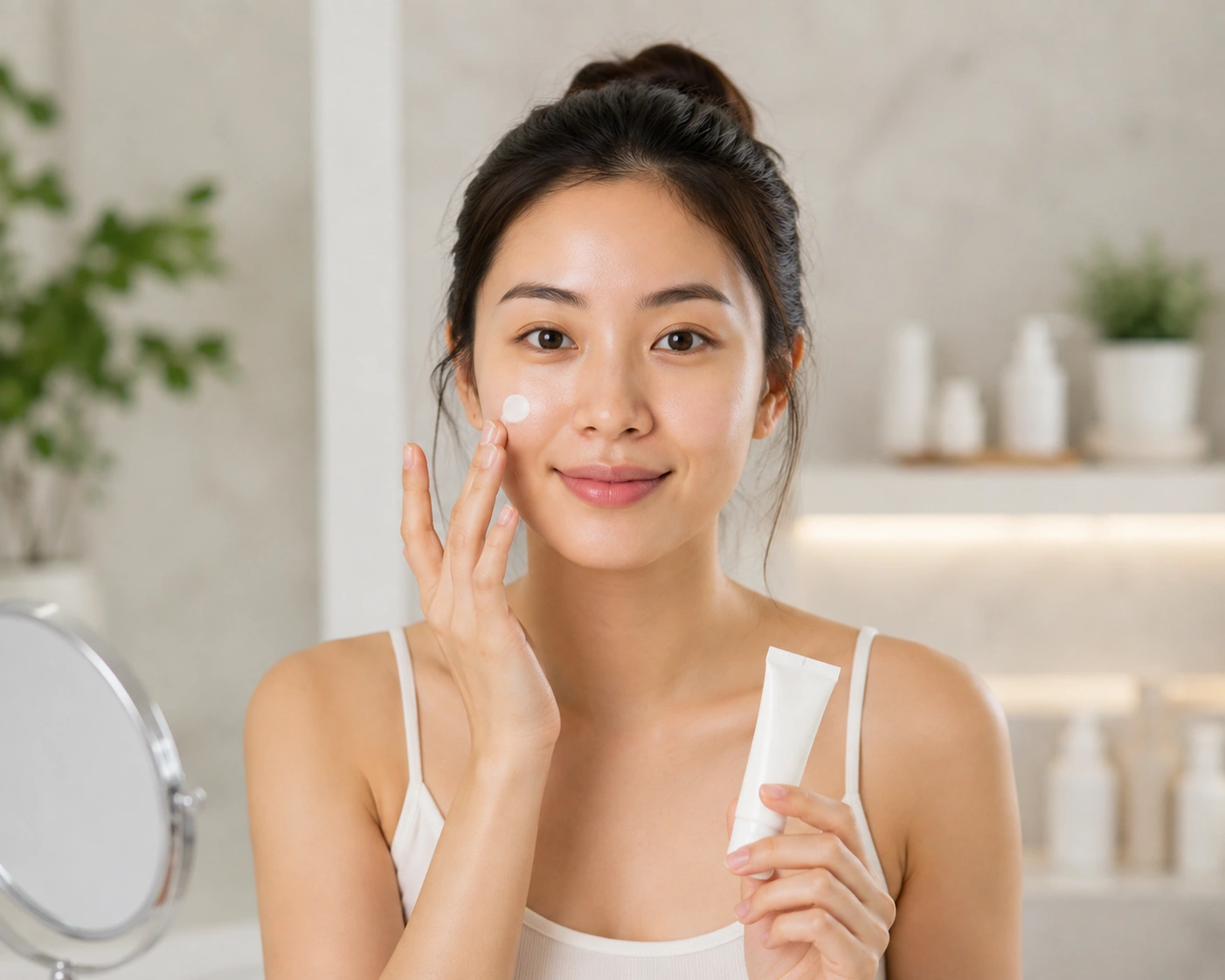
- Apply a pea-sized amount, spread thinly across the entire treatment area rather than dotted on individual spots
- Follow with a gentle, fragrance-free moisturizer if needed
- Use only at night, since tretinoin breaks down in sunlight and increases sun sensitivity
- Apply sunscreen every morning without exception while using tretinoin
Starting Dosage and Building Tolerance
Tretinoin is available in several strengths, and most doctors start new users on a lower concentration, applied just two or three nights a week. Frequency is typically increased gradually — over several weeks to a couple of months — as the skin builds tolerance, working toward nightly use if the skin handles it well. Rushing this process is one of the most common reasons people experience unnecessary irritation and give up on tretinoin too early.
What to Avoid While Using Tretinoin (Sun Exposure, Other Actives)
- Unprotected sun exposure – tretinoin increases photosensitivity, making sunburn more likely without daily SPF
- Other exfoliating actives – combining tretinoin with AHAs, BHAs, or physical scrubs at the same time can significantly increase irritation; see our guide on how to exfoliate correctly if you want to keep some exfoliation in your routine safely
- Benzoyl peroxide at the same time of day – some formulations can reduce tretinoin’s effectiveness if applied simultaneously; using them at different times of day is usually recommended instead
- Waxing on treated skin – tretinoin thins the outer skin layer, increasing the risk of skin tearing during waxing
Tretinoin Purging vs Irritation
Quick Answer: Tretinoin commonly causes a temporary “purge” in the first few weeks, where breakouts can look worse before they improve — this is different from irritation, which shows up as burning, excessive redness, or peeling beyond what’s typical for an adjustment period.
Because tretinoin speeds up cell turnover, it can bring existing, not-yet-visible clogged pores to the surface faster than they would have appeared naturally — a temporary worsening that’s often mistaken for the product “not working” or “causing” new acne. Our detailed guide on skin purging: causes, symptoms, and how to treat it breaks down exactly how to tell this apart from a true reaction, and what to do either way.
What to Expect in the First Few Weeks
According to Mayo Clinic, skin commonly becomes irritated during the first three weeks of tretinoin use, and acne may appear to worsen before it improves. Mayo advises checking with a doctor if skin irritation becomes severe or if acne does not improve within 8 to 12 weeks. This adjustment window is normal and expected; the key is distinguishing manageable, temporary irritation from a reaction severe enough to warrant stopping and speaking to your doctor.
Side Effects of Tretinoin
Quick Answer: Common tretinoin side effects include dryness, redness, peeling, and mild stinging, especially during the first few weeks — these are usually manageable with a lower frequency and a good moisturizer, but severe reactions warrant medical attention.
Common Side Effects (Dryness, Redness, Peeling)
- Dryness and flaking, especially in the first few weeks (Drugs.com side effects data)
- Redness or a warm, stinging sensation after application
- Visible peeling as skin cell turnover accelerates
- Increased sensitivity to sunlight
These effects typically ease as your skin barrier adjusts, usually within a few weeks of consistent, correctly-paced use.
When Side Effects Signal You Should Stop or See a Doctor
Seek medical advice if you experience an allergic reaction — such as a rash, hives, or swelling of the face or lips — or if redness, peeling, or discomfort is severe enough to interfere with daily life. Persistent symptoms that don’t improve after reducing frequency are also worth discussing with your doctor rather than pushing through indefinitely.
Who Should Avoid Tretinoin
Tretinoin isn’t suitable for everyone. People with very sensitive or already compromised skin barriers, active eczema or dermatitis in the treatment area, or a known allergy to retinoids should discuss alternatives with a doctor before starting.
Pregnancy and Breastfeeding Precautions
Retinoids as a class are associated with birth defects when taken orally at high doses, and while topical tretinoin is absorbed into the body in much smaller amounts, most doctors recommend avoiding it during pregnancy and breastfeeding as a precaution. If you’re pregnant, planning a pregnancy, or breastfeeding, speak to your doctor about safer alternatives for your skin concerns during this period.
Tretinoin vs Other Retinoids (Retinol, Adapalene)
Tretinoin, retinol, and adapalene are all part of the broader retinoid family, but they differ in strength, availability, and how directly they work:
| Tretinoin | Retinol | Adapalene | |
|---|---|---|---|
| Availability | Prescription-only | Over-the-counter | Over-the-counter (0.1%) or prescription (0.3%) |
| Potency | High — already in active form | Lower — must convert to active form in skin | Moderate, more targeted at acne |
| Typical use | Acne, sun damage, fine lines, pigmentation | General anti-aging, mild texture concerns | Primarily acne |
| Irritation potential | Higher, especially when starting | Lower | Lower than tretinoin |
Retinol is generally the gentler starting point for people new to retinoids, and some of our recommended options are covered in our guide to the best anti-wrinkle serums in Malaysia. Adapalene sits between the two in terms of strength and is specifically formulated with acne in mind. Tretinoin remains the most potent and broadly effective of the three, but that potency is exactly why it needs a doctor’s guidance to use well.
How Long Does It Take to See Results?
Most people need at least 12 weeks of consistent use before seeing meaningful improvement, and some benefits — particularly for fine lines and pigmentation — continue to build gradually over several months beyond that. This is a longer timeline than many people expect from a skincare product, and it’s a major reason people stop too early: the purging phase happens well before the payoff phase, and quitting during the former means never reaching the latter.
Frequently Asked Questions About Tretinoin (FAQ)
Can you buy tretinoin without a prescription? No, in most countries, including Malaysia, tretinoin requires a doctor’s prescription. Over-the-counter alternatives like retinol are available but are generally less potent.
How long does purging last? Purging from tretinoin typically peaks within the first few weeks and generally resolves within 4 to 6 weeks as the skin adjusts, following the natural skin cell turnover cycle — though full results for the underlying concern being treated can take considerably longer.
Can tretinoin be used every day? Eventually, yes, for most people — but it’s generally introduced gradually, starting at two or three nights a week and building up to nightly use over several weeks as tolerance improves, rather than starting with daily use from day one.
Is tretinoin safe for long-term use? Yes, tretinoin has a long track record of safe long-term use under proper medical supervision, and many dermatology treatment plans include it as an ongoing part of a skincare routine rather than a short-term course.
Is skincare tretinoin the same as the tretinoin used in cancer treatment? It’s the same molecule, but a completely different use. Topical tretinoin for skin is a low-dose cream or gel applied to the face. Oral tretinoin (also called ATRA) is used at a much higher dose to treat acute promyelocytic leukemia, a type of blood cancer, under close medical supervision — the two aren’t interchangeable or related in how they’re used.
Bottom Line
Tretinoin is a prescription retinoid with genuinely strong evidence behind it for acne, sun damage, fine lines, and hyperpigmentation — but getting the concentration, frequency, and adjustment period right matters just as much as the ingredient itself. At CLEO clinic, tretinoin and other prescription skincare treatments are prescribed and monitored by LCP-Certified doctors following a full assessment of your skin and goals.
See our full range of treatable conditions, or book a consultation to find out if tretinoin is the right fit for your skin.