Award-Winning LCP-Certified Aesthetic Clinic – Get Your FREE Skin Assessment Now!

Acne Treatment in Malaysia: Doctor-Led Care in Kuala Lumpur

CLEO clinic®

Acne Treatment
Achieve Clear Skin Today

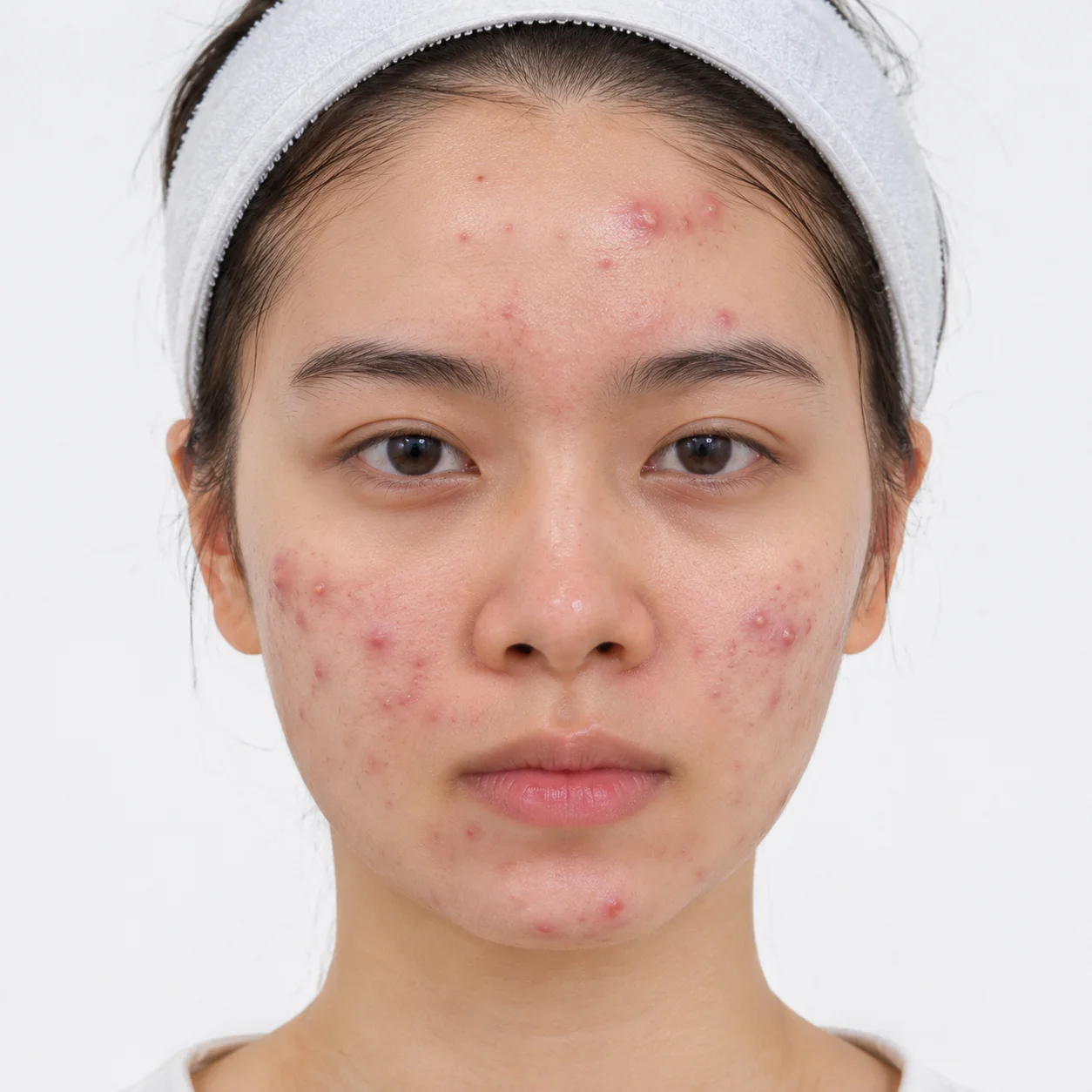
Effective acne treatment starts with the right diagnosis, because the right plan depends on your acne type, severity and skin. Mild acne often responds to topical products, whereas moderate to severe acne usually needs prescription medicine under a doctor’s care. In-clinic treatments such as chemical peels, microdermabrasion and light therapy can support the plan, but they rarely work alone.

At CLEO Clinic, a doctor examines your skin, explains your options and builds a plan that also lowers your risk of scars. To arrange an assessment, contact CLEO Clinic.

Best in Malaysia Logo
TMY Logo
WhatClinic Award Logo
Local Logo
Partner Logo
Media Feature Logo
Teh Talk Logo
Award Logo
Best in Malaysia Logo
TMY Logo
WhatClinic Award Logo
Local Logo
Partner Logo
Media Feature Logo
Teh Talk Logo
Award Logo

What Is Acne?

In short, acne is a common skin condition that affects the oil glands and hair follicles. It often starts in the teenage years, yet many adults get acne too, and it frequently returns. Therefore, long-term control matters more than a quick clear-up. If your breakouts keep returning after treatment, our guide to why adult acne keeps coming back explains common reasons.

How Does Acne Happen?

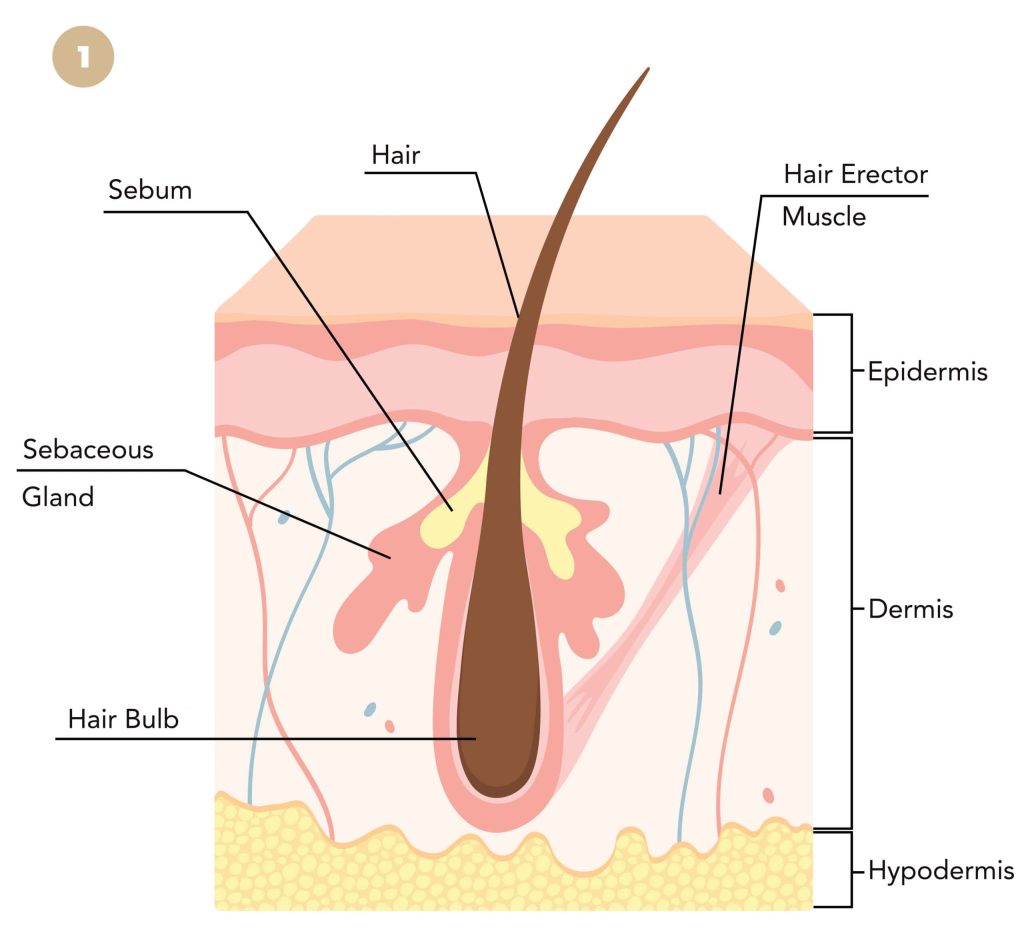
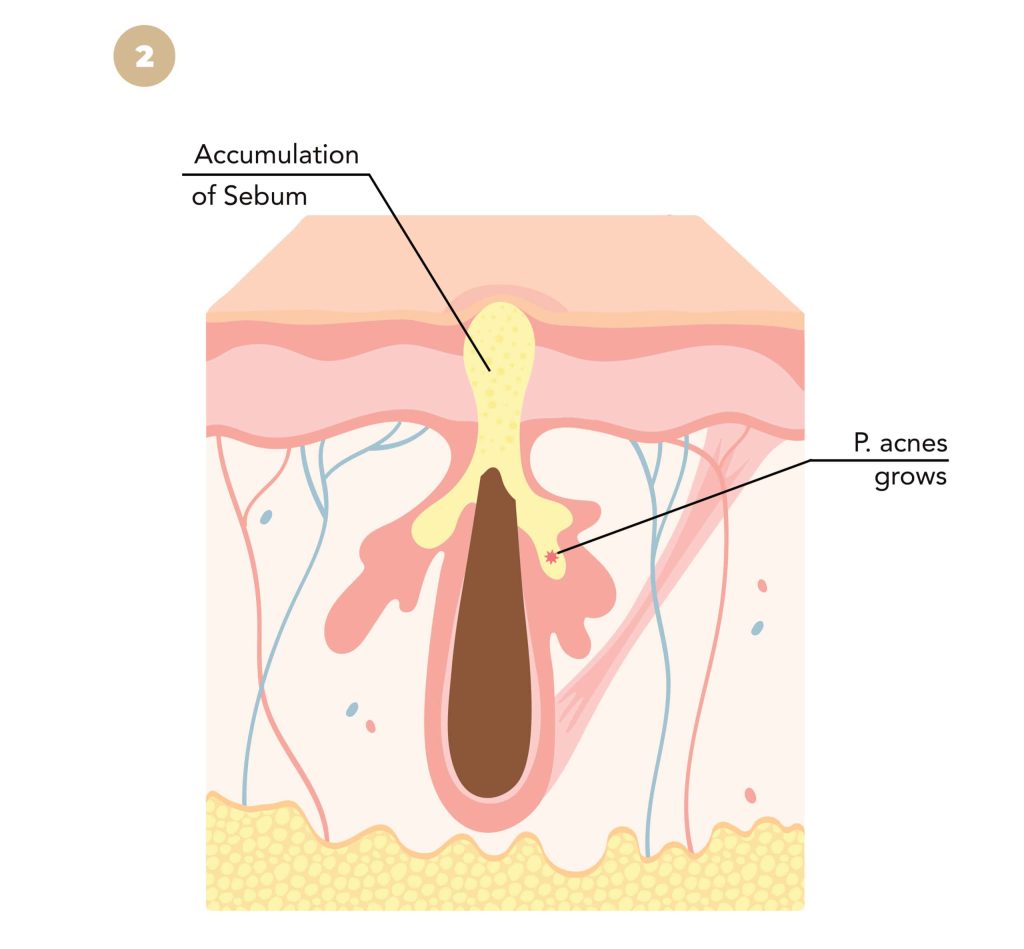
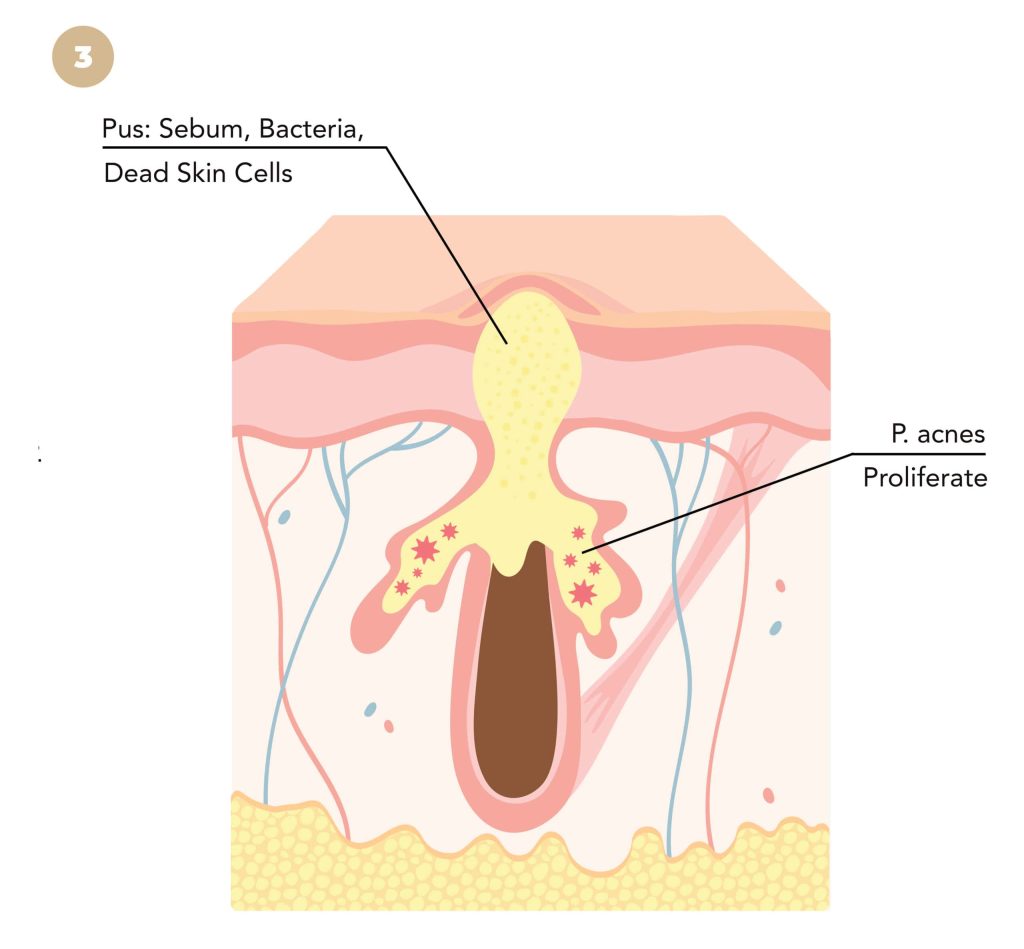
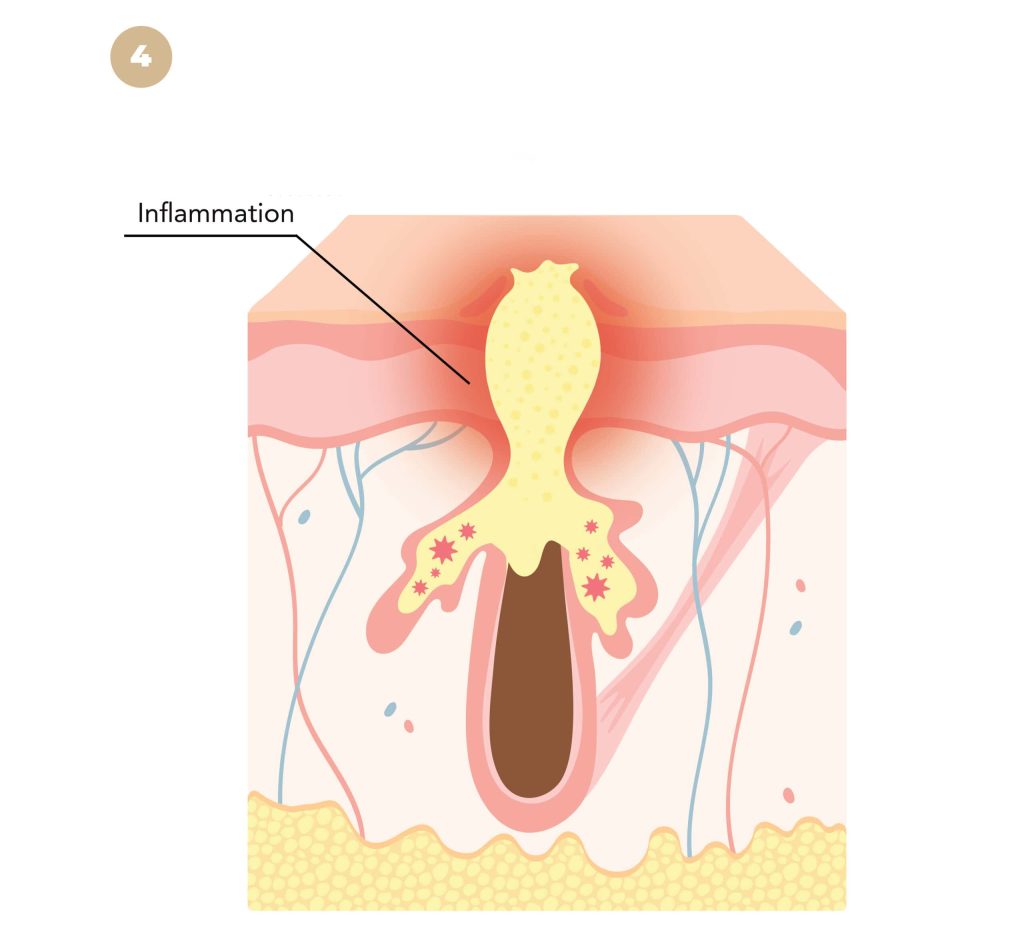
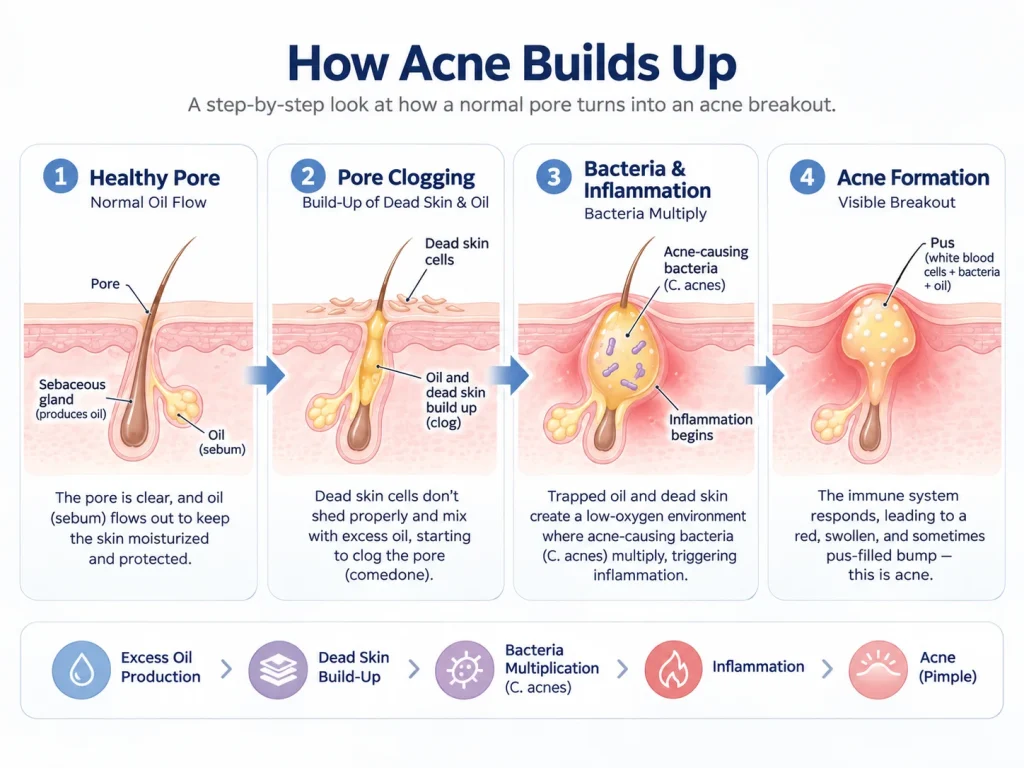
Acne develops in four steps. First, the oil glands make too much sebum. Next, dead skin cells and oil clog the pore. Then, bacteria called Cutibacterium acnes multiply inside the blocked pore. Finally, the body reacts with redness, swelling and, sometimes, pus. To learn more about oil production, read our guide to what sebum is and how to balance it.

How Harmful Is Acne?

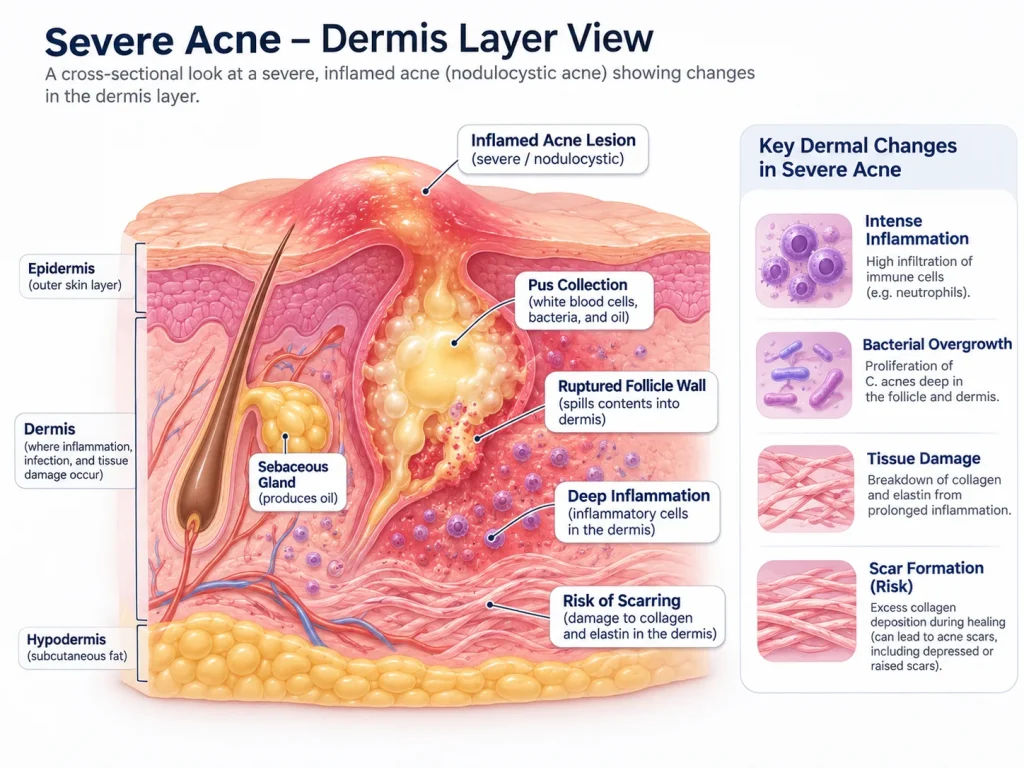
Importantly, acne itself is not dangerous, but it can leave dark marks and scars that are harder to treat than the spots. Moreover, picking and squeezing raise this risk, as our guide on why popping pimples is harmful explains. For this reason, treating inflamed acne early is one of the most effective ways to prevent scarring.

Is Acne Having a Negative Impact on Your Life?

Acne can affect confidence, mood and how you feel in social situations. In fact, the American Academy of Dermatology guideline recommends isotretinoin for acne that causes significant emotional distress, not only for severe acne. If over-the-counter products have not helped after several weeks, it is worth seeing a doctor, as our guide on the right time to see a dermatologist for acne explains.

How Does Acne Happen?

acne diagram new 1 scaled 1

Overproduction of Oil

Hormonal and other triggers also make the oil glands overactive.

acne diagram new 2 scaled 1

Build-up of sebum

Next, oil and dead skin cells block the pore and trap sebum inside.

acne diagram 3 1 scaled 1

Growth of acne bacteria

Cutibacterium acnes (formerly called P. acnes), a bacterium that lives on normal skin, also multiplies in the blocked pore.

acne new diagram 4 scaled 1

Active inflammation

Finally, the immune system reacts, causing redness, swelling, pain and visible spots.

Infographic showing the four steps of how acne builds up
Infographic showing severe acne reaching the dermis layer of the skin

Types of
Acne-Related Conditions

A doctor first identifies the types of spots you have, because each responds to different treatment. For a full guide with photos and examples, read identifying different types of acne.

dermnet rm photo of blackheads

Blackheads

Blackheads are open clogged pores. Their dark colour comes from trapped oil and skin cells reacting with air, not from dirt, so scrubbing does not remove them. Our guide to blackheads and how to get rid of them explains what helps.

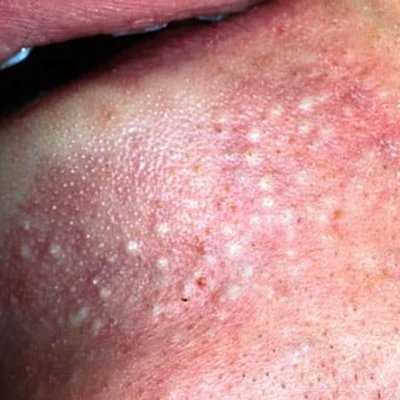
princ rm photo of whiteheads on womans back

Whiteheads

Whiteheads are closed clogged pores, often on the forehead and chin. Similarly, they respond to products that keep pores clear, as our guide to getting rid of whiteheads explains.

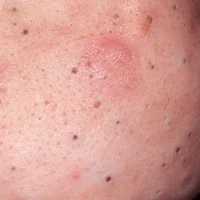
dermnet rm photo of papules

Papules

Papules are small, red, tender bumps without visible pus. Usually, they are the first sign of inflammation, and some progress to pustules.

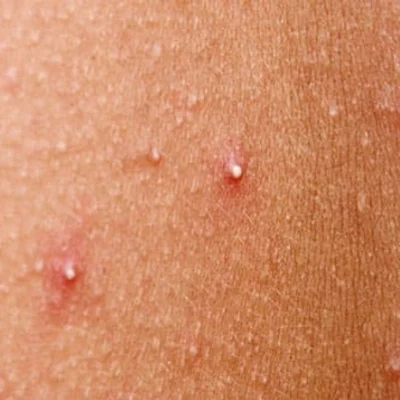
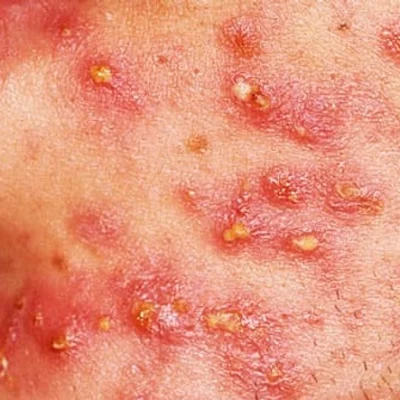
dermnet rm photo of pustules

Pustules

Meanwhile, pustules are red spots with a white or yellow centre of pus. Squeezing them can push inflammation deeper and leave marks, so it is better to treat them than to pop them.

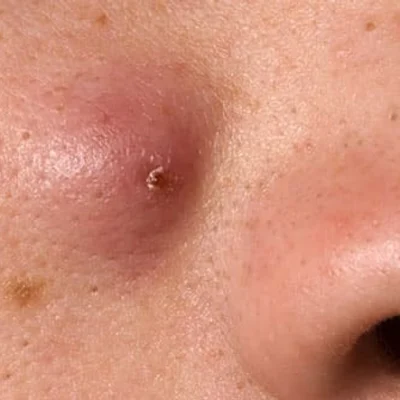
princ rm photo of a nodule closeup

Nodules

By contrast, nodules are deep, firm, painful lumps under the skin. Because they carry a high risk of scarring, they need medical treatment rather than over-the-counter products.

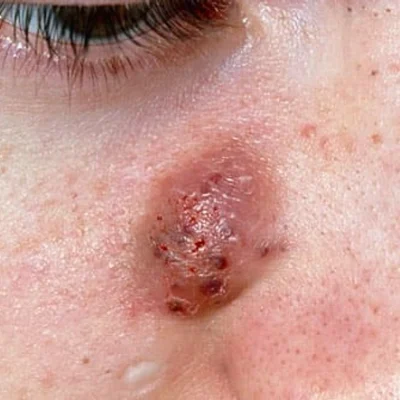
princ rm photo of an acneformed cyst on nose

Cystic Acne

Cysts are the largest and deepest acne lesions, and they are the most likely to scar. Consequently, they often need oral treatment from a doctor. To learn why they hurt and how they are treated, read our guide to cystic acne, or, in Malay, jerawat batu (Bahasa Malaysia).

Hormonal and Adult Acne

Hormonal acne often appears along the jawline and chin and may flare around periods. In some women, it is linked to conditions such as polycystic ovary syndrome (PCOS). Our guide to hormonal acne explains the causes and treatment options, and our article on how acne treatment varies by age explains why teenage and adult acne are treated differently.

Conditions That Look Like Acne

Not every breakout is acne. For example, fungal acne causes small, itchy, uniform bumps and does not respond to standard acne treatment. Likewise, rosacea causes redness and bumps but needs a different approach. This is one reason a doctor’s diagnosis matters before you start treatment.

Acne Treatment Options at CLEO Clinic

There is no single best acne treatment. Instead, the right plan depends on your acne type, severity, skin type and medical history. The options below are often combined, and a doctor decides which suit you.

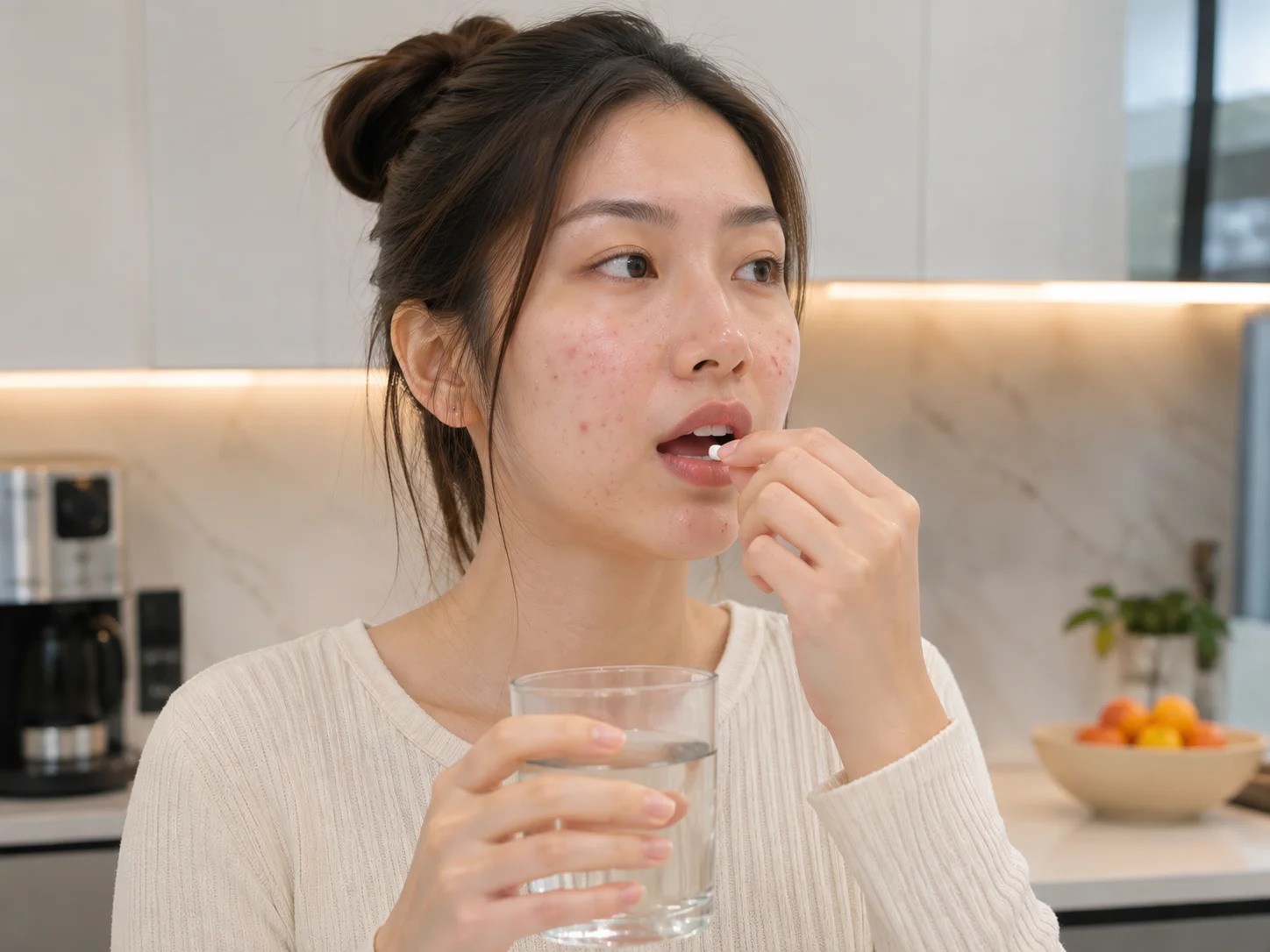
Acne medications for mild and severe acne
Option 01

Option 01: Acne Medications

In practice, medicines are the foundation of most acne plans. According to the 2024 American Academy of Dermatology guideline, benzoyl peroxide, topical retinoids, topical antibiotics and oral doxycycline have the strongest support, while azelaic acid, salicylic acid, combined oral contraceptives and spironolactone have conditional support (Reynolds et al., 2024). The guideline also advises combining treatments that work in different ways and limiting the use of oral antibiotics. For severe acne, scarring acne or acne that has not responded to other treatment, isotretinoin is strongly recommended. All prescription medicines, including isotretinoin, are prescribed and monitored by a doctor. To learn more, read our guides to isotretinoin in Malaysia and tretinoin.

How It Helps:

  • Target active bacteria & reduce inflammation
  • Regulate cell turnover to clear blocked pores
  • Control systemic sebum and hormonal triggers
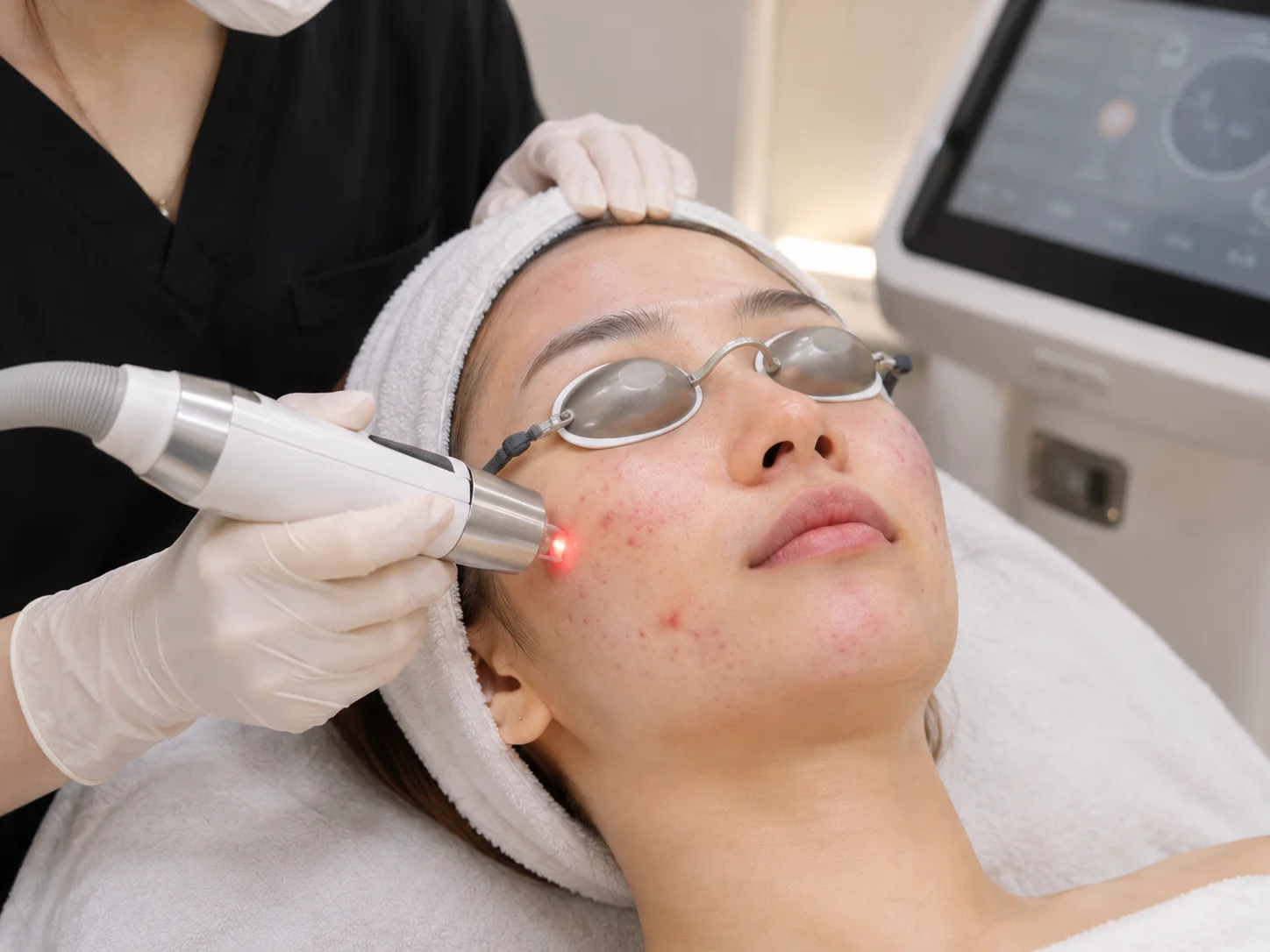
Laser treatment for inflamed acne
Option 02

Option 02: Acne Clear Laser Treatment

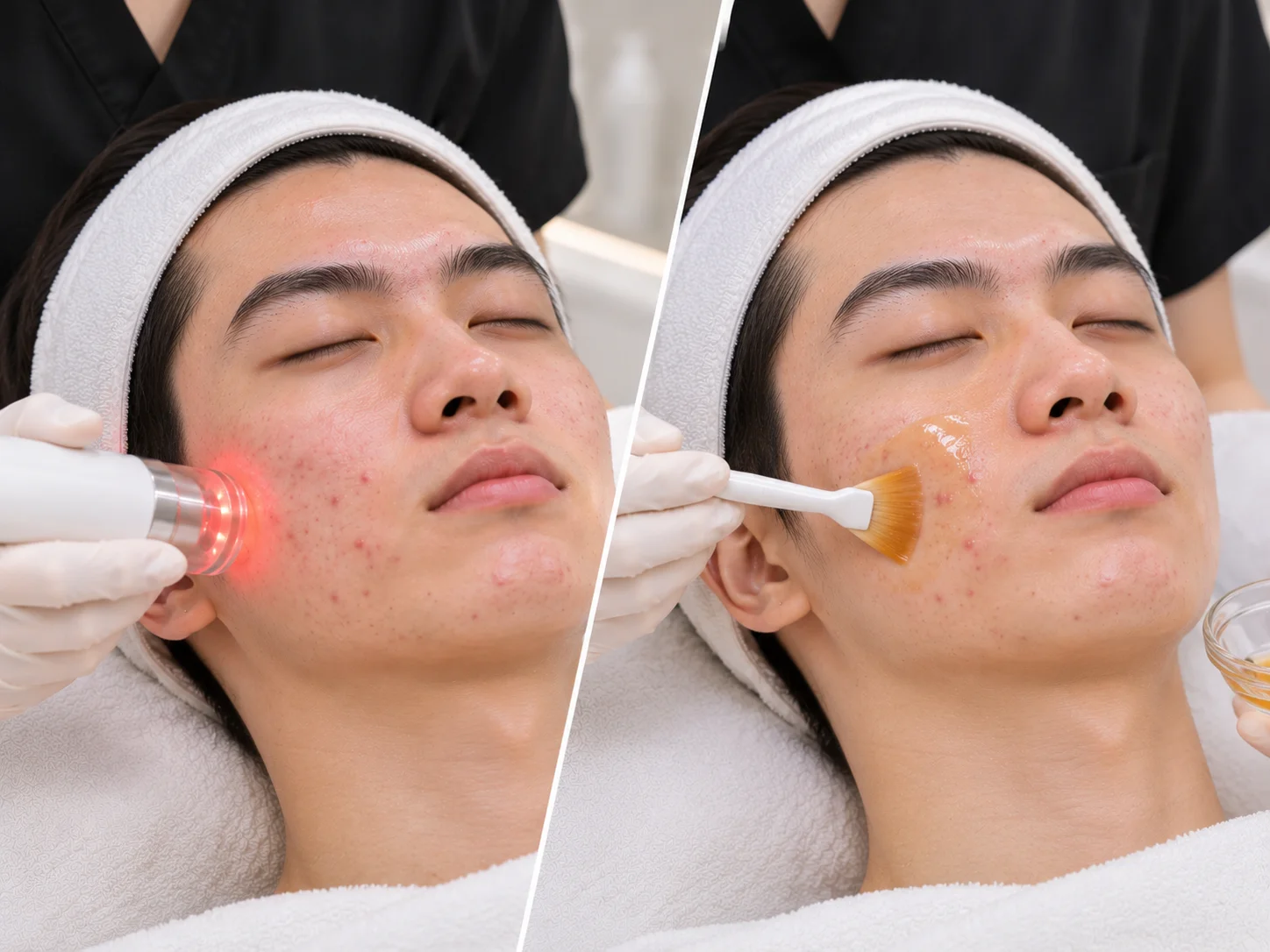
Light and laser treatments can calm inflamed spots and redness alongside medicine. However, Mayo Clinic notes that light-based therapies have shown some success but usually need multiple visits, and they rarely clear moderate or severe acne on their own. For this reason, at CLEO Clinic laser is used to support a medical plan rather than replace it. Our M22 IPL treatment page explains one light-based option.

How It Helps:

  • Suppress overactive sebaceous (oil) glands
  • Calm active inflammatory redness quickly
  • Stimulate collagen remodeling for smooth skin
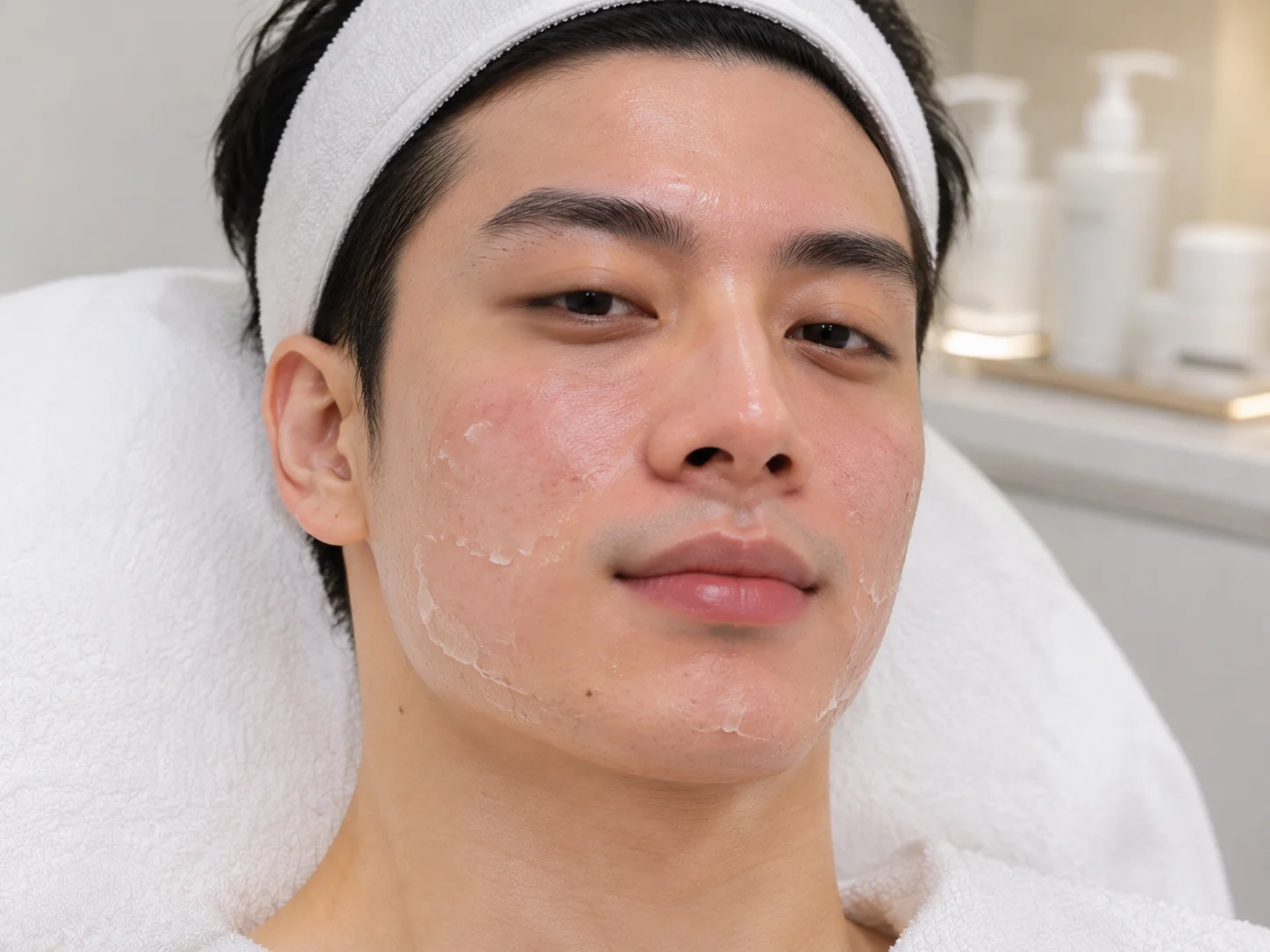
Chemical peel for acne-prone skin
Option 03

Option 03: Chemical Peel

Chemical peels, such as salicylic acid peels, help unclog pores and can improve mild acne and post-acne marks. Notably, Mayo Clinic describes peels as an option for mild acne, with repeat treatments usually needed because results fade. In addition, the strength is adjusted for people using isotretinoin or strong retinoids. To learn more, see our chemical peel treatment page or our guide to chemical peels for acne.

How It Helps:

  • Dissolve trapped oil inside congested pores
  • Exfoliate dead epidermal cells causing plugs
  • Fade post-acne dark marks & hyperpigmentation
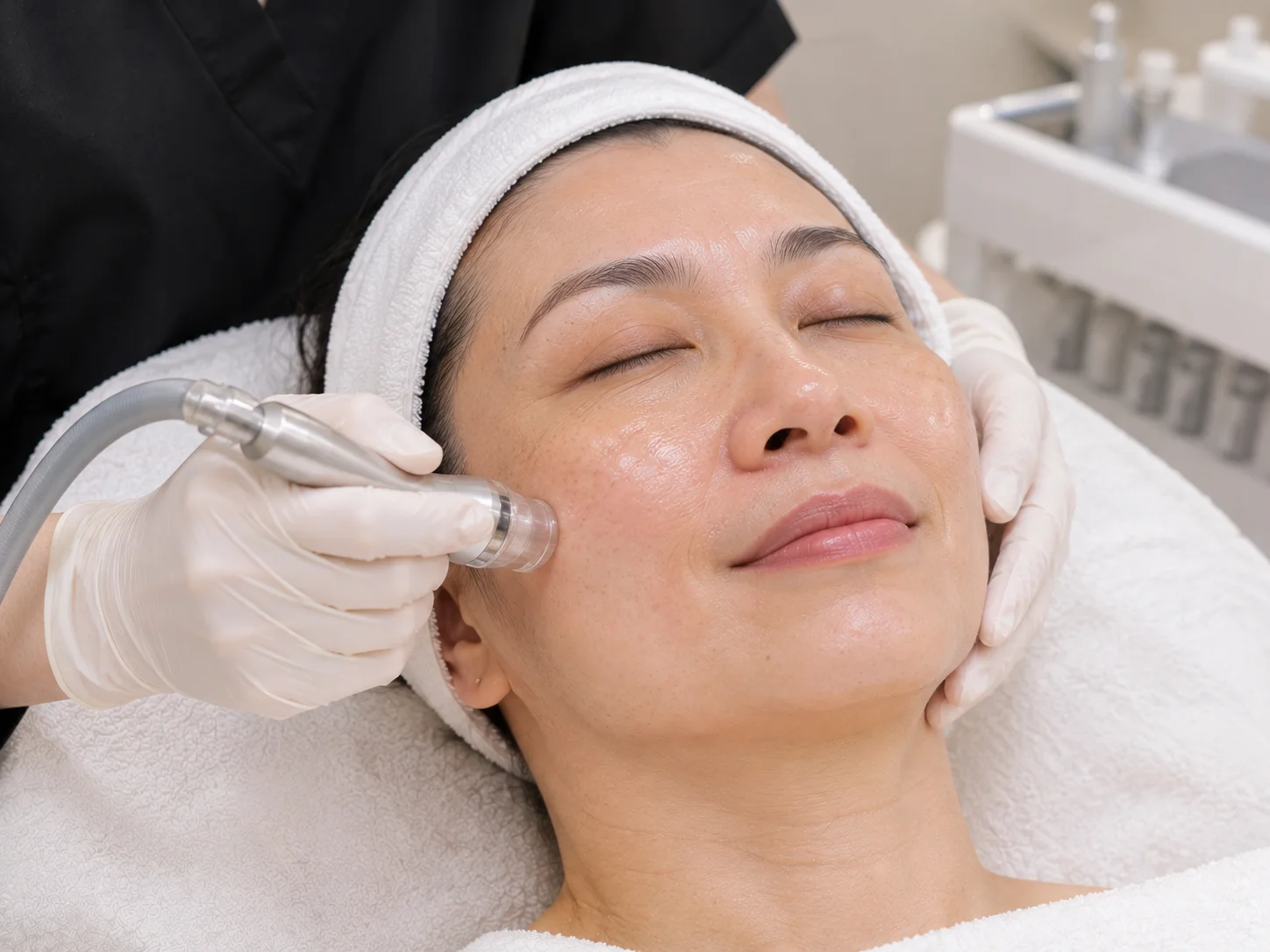
Microdermabrasion for active mild to moderate acne
Option 04

Option 04: Microdermabrasion

Microdermabrasion gently removes the surface layer of dead skin. Usually, it suits mild blackheads, whiteheads and rough texture, but it is not suitable for inflamed or cystic acne. For details, see our microdermabrasion page.

How It Helps:

  • Remove surface dead skin debris & excess sebum
  • Improve absorption of active topical skincare
  • Refine rough skin texture and superficial dullness
Combination acne treatment plan
Option 05

Option 05: Combination Treatment

Most people respond well to a combination, for example daily medicine together with periodic peels or light therapy. In practice, the medicine controls new breakouts, while in-clinic treatments help with clogged pores, redness and marks. Your doctor reviews progress and adjusts the plan at each visit.

How It Helps:

  • Address multiple acne triggers simultaneously
  • Faster clearance of active & resistant breakouts
  • Minimize scarring risk through multi-phase healing

Over-the-Counter Products: When Are They Enough?

Mild acne may respond to products from a pharmacy, such as benzoyl peroxide or salicylic acid, used consistently for several weeks. Our guide to over-the-counter acne treatments explains which ingredients have the strongest evidence and when to stop self-treating. Meanwhile, a simple routine helps any treatment work, as our guide to acne-prone skin and the right routine explains.

How Long Acne Treatment Takes

Acne treatment takes patience. According to Mayo Clinic, prescription acne medicines often take four to eight weeks to show results, and complete clearing can take months. Some products, such as retinoids, can cause a temporary flare in the first few weeks, which our guide to skin purging explains. Still, stopping treatment too early is a common reason acne returns, so follow-up visits matter. Likewise, everyday habits can undo progress, as our guide to habits that make acne worse explains.

Benefits of Getting
Acne Treatment With a Doctor

Self-treating with shelf products or social media trends often delays results and can irritate the skin. A doctor gives you a clear diagnosis, access to medical-grade options and a plan that is monitored over time.

Acne Treatment by Certified Doctor
1

Accurate Diagnosis and Custom Plans

A doctor identifies your acne type and triggers and checks for conditions that mimic acne. As a result, you start on treatment that suits your skin rather than guessing with products.

2

Targeted Medical Therapies

Furthermore, a doctor can prescribe medicines that are not available over the counter and combine them with in-clinic treatment in the right order and strength.

3

Scar and Mark Prevention

In addition, treating inflamed acne early lowers the risk of permanent scars and dark marks. In other words, effective treatment now saves more complex scar treatment later.

4

Safe and Monitored Results

Doctors review your progress, adjust doses and watch for side effects. This is especially important with oral medicines such as isotretinoin, which need regular monitoring.

Preventing Acne Marks and Scars

Notably, acne can leave two kinds of marks. First, flat brown or red marks are common after spots heal and usually fade over time, as our guide to post-acne dark marks vs red marks explains. Second, true scars change the skin’s texture and need different treatment. Therefore, it is wiser to control active acne first, as our guide on starting acne scar treatment after active breakouts explains. If scars have already formed, see our acne scar treatment page.

When to See a Doctor About Acne

See a doctor if your acne is painful, deep or leaving marks, or if over-the-counter products have not helped after several weeks. Similarly, seek help if acne is affecting your mood or confidence, or if it started suddenly in adulthood. If you have already tried several treatments without success, our guide to persistent acne explains what to try next.

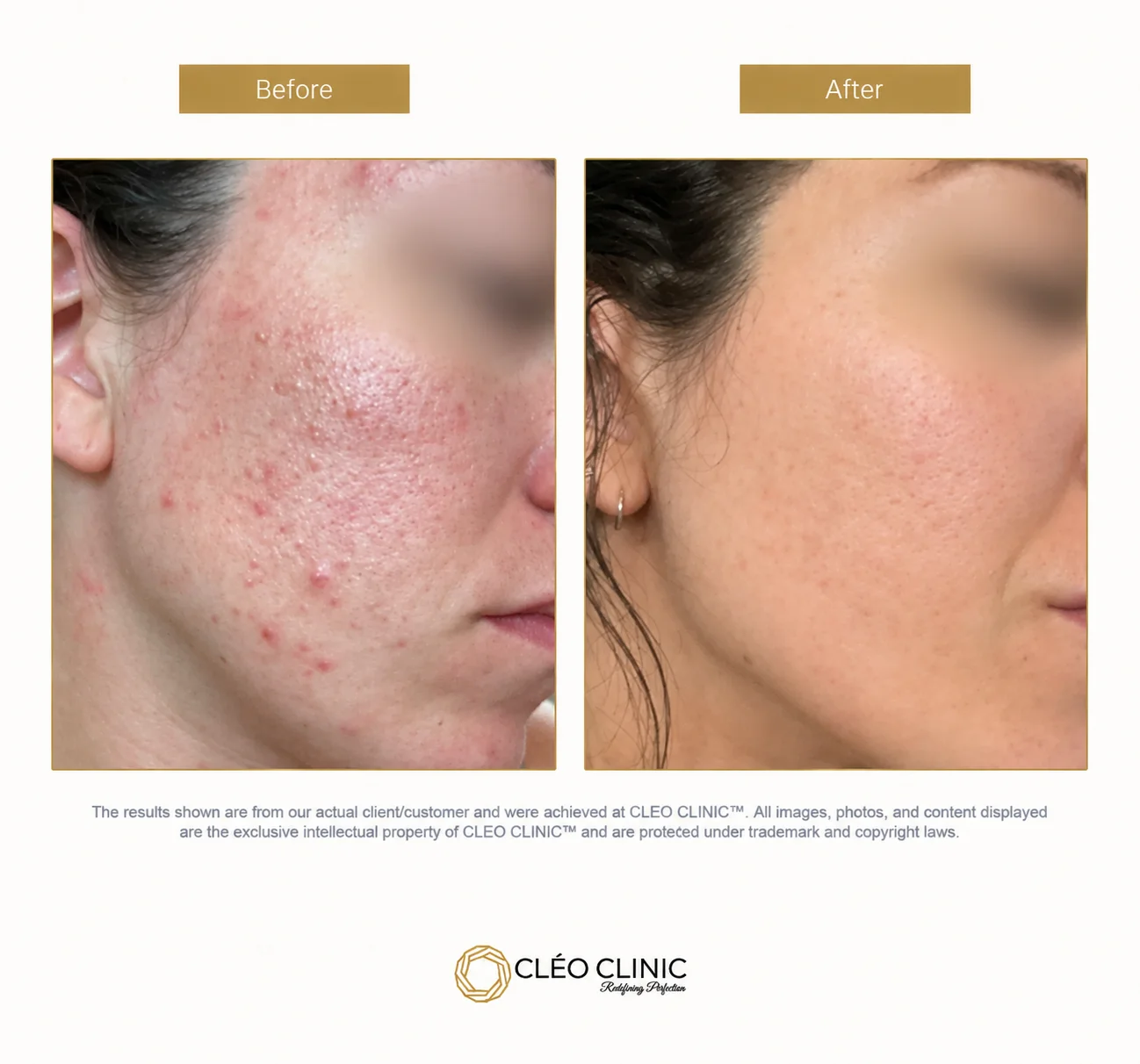
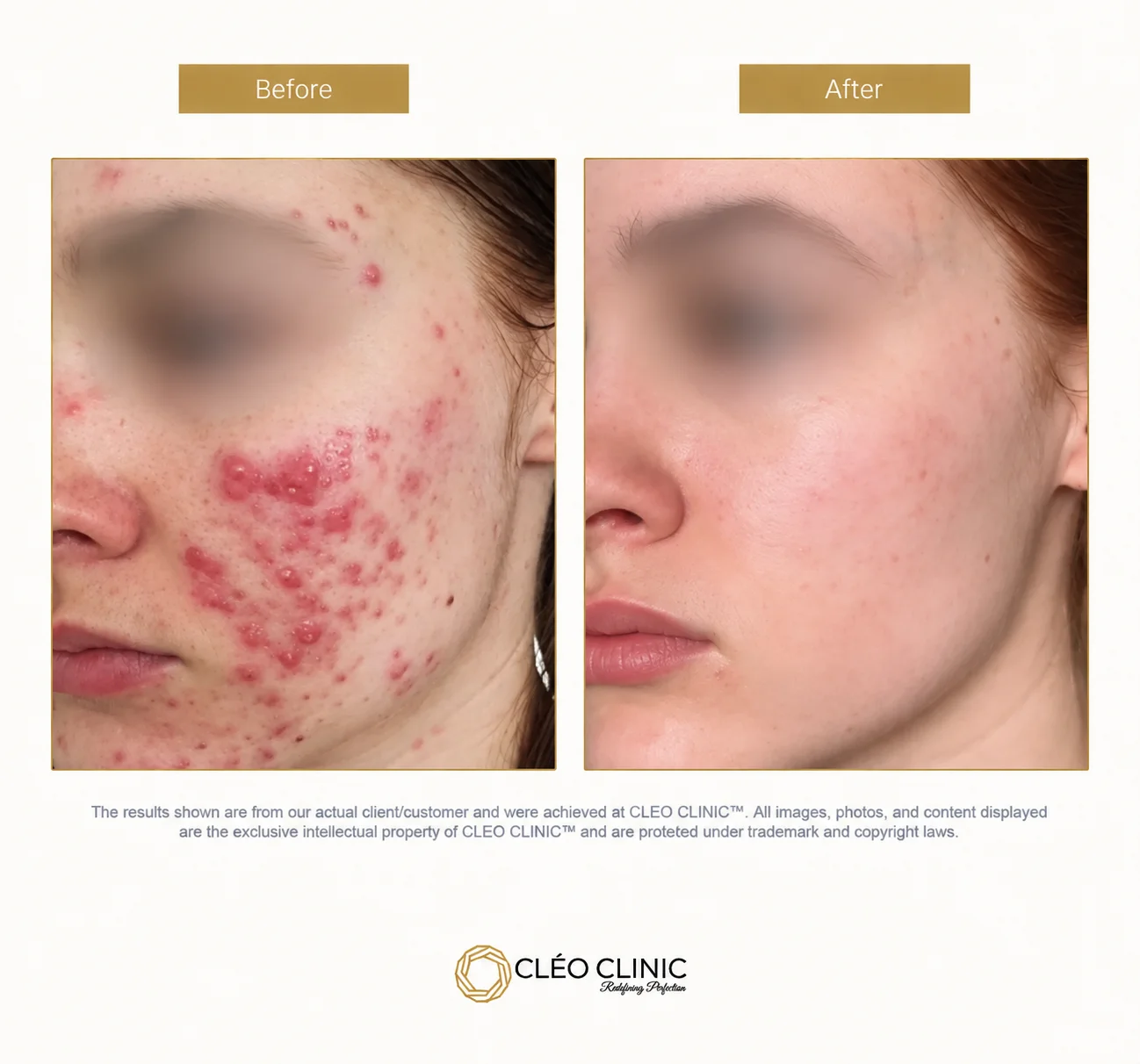
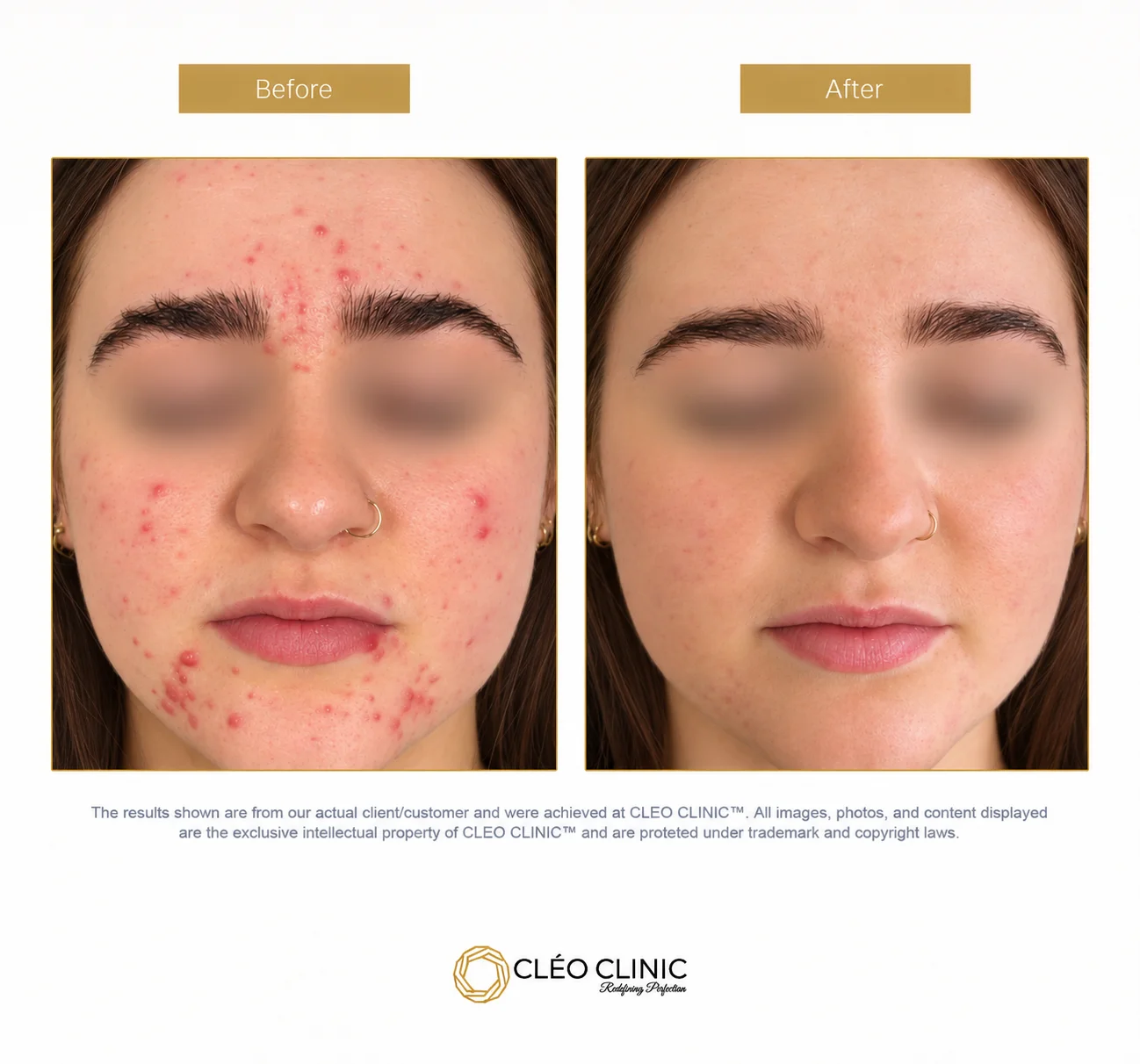
Before and After
Acne Treatment Results at CLEO Clinic

Trusted by hundreds of satisfied clients
5 Star reviews on google

Dr. Raimie
Bin Rahmad

Aesthetic Physician

Dr. Raimie Bin Rahmad
  • Doctor of Medicine (M.D.) – MMA
  • Professional Diploma in Aesthetic Medicine
  • LCP Accredited by the Ministry of Health (MOH)
  • Founder & Medical Director of Cléo Clinic

Dr. Tan
Choy Ling

Aesthetic Physician

Dr. Tan Choy Ling
  • Doctor of Medicine (M.D.) – MMA
  • Postgraduate Diploma in Dermatology in Clinical Practice – University of South Wales, UK
  • Professional Diploma in Aesthetic Medicine – AAA
  • LCP Accredited by the Ministry of Health (MOH)
  • Co-Founder of Cléo Clinic

Dr. Seok
Wye Kitt

Aesthetic Physician

Dr. Seok Wye Kitt
  • M.D.(RSMU)
  • Postgraduate Medical Aesthetic Certification (MAC)
  • Medical Aesthetic International Certification (MAIC)
  • Clinical Director of Cléo Clinic
  • LCP Accredited by MOH

Dr. Amy Lau

Aesthetic Physician

Dr. Amy Lau
  • M.D.(UKM)
  • Postgraduate Medical Aesthetic Certification (MAC)
  • Certificate in Aesthetic Medicine – American Academy of Aesthetic Medicine (AAAM)
  • Professional Diploma in Dermatology – Royal College Of Physician Of Ireland
  • LCP Accredited by MOH
  • Clinical Director of CLEO clinic Kepong

Dr. Sara
Thong

Aesthetic Physician

Dr Sara Thong
  • MBBS.(Manipal)
  • Professional diploma in Aesthetic Medicine – IIWAM
  • Postgraduate Diploma In Dermatology In Clinical Practice – University Of South Wales, UK
  • LCP Accredited by MOH
  • Clinical Director of CLEO clinic Cheras

Dr. Famey
Lee see kit

Aesthetic Physician

Dr Famey
  • Bachelor of Medicine & Bachelor of Surgery (MBBS) – Fudan , Shanghai 
  • Postgraduate Medical Aesthetic Certification (MAC)
  • Postgraduate Diploma In Dermatology  (AFPM)
  • LCP accredited by MOH

Book an Acne Treatment
Consultation at CLEO Clinic

Firstly, a CLEO Clinic doctor examines your skin and asks about your history, products and triggers. Next, the doctor explains the options and a realistic timeline. Finally, you decide whether to proceed. Also, the first consultation is free at all four branches: Sri Hartamas, Taipan USJ 10 (Subang Jaya), Kepong and Cheras.

To arrange an assessment, contact our team. Additionally, our acne consultations are led by Dr Raimie Rahmad, Dr Tan Choy Ling, Dr Seok Wye Kitt, Dr Amy Lau and Dr Sara Thong.

Acne Treatment in Malaysia:
Frequently Asked Questions

Prescription acne medicines often take four to eight weeks to show results, and full clearance can take several months. Your doctor will review your progress at follow-up visits.

There is no single best option for everyone. Instead, the right acne treatment depends on your acne type, severity and skin, which is why it starts with an assessment.

Treatment aims to prevent scarring. However, some products, such as retinoids, can cause a temporary flare in the first few weeks before the skin improves.

Some acne treatments are not safe in pregnancy, and isotretinoin must never be used during pregnancy because of the risk of birth defects. Mayo Clinic lists azelaic acid as an option in pregnancy, but always ask your doctor before using any product.

Medicines are usually used daily. Meanwhile, peels and light treatments are spaced several weeks apart, and your doctor sets the schedule.

The cost depends on your acne type, the medicines prescribed and whether in-clinic treatments are needed. Your doctor will give you a written quote after your assessment.