

Table of Contents
Quick answer: Blackheads are open, clogged pores filled with oil and dead skin cells. The dark colour comes from the plug reacting with air, not from dirt. The most reliable blackhead removal combines a pore-clearing ingredient such as salicylic acid or a retinoid, gentle exfoliation and, for stubborn cases, sterile extraction by a doctor. Squeezing at home usually makes things worse.
What Are Blackheads?
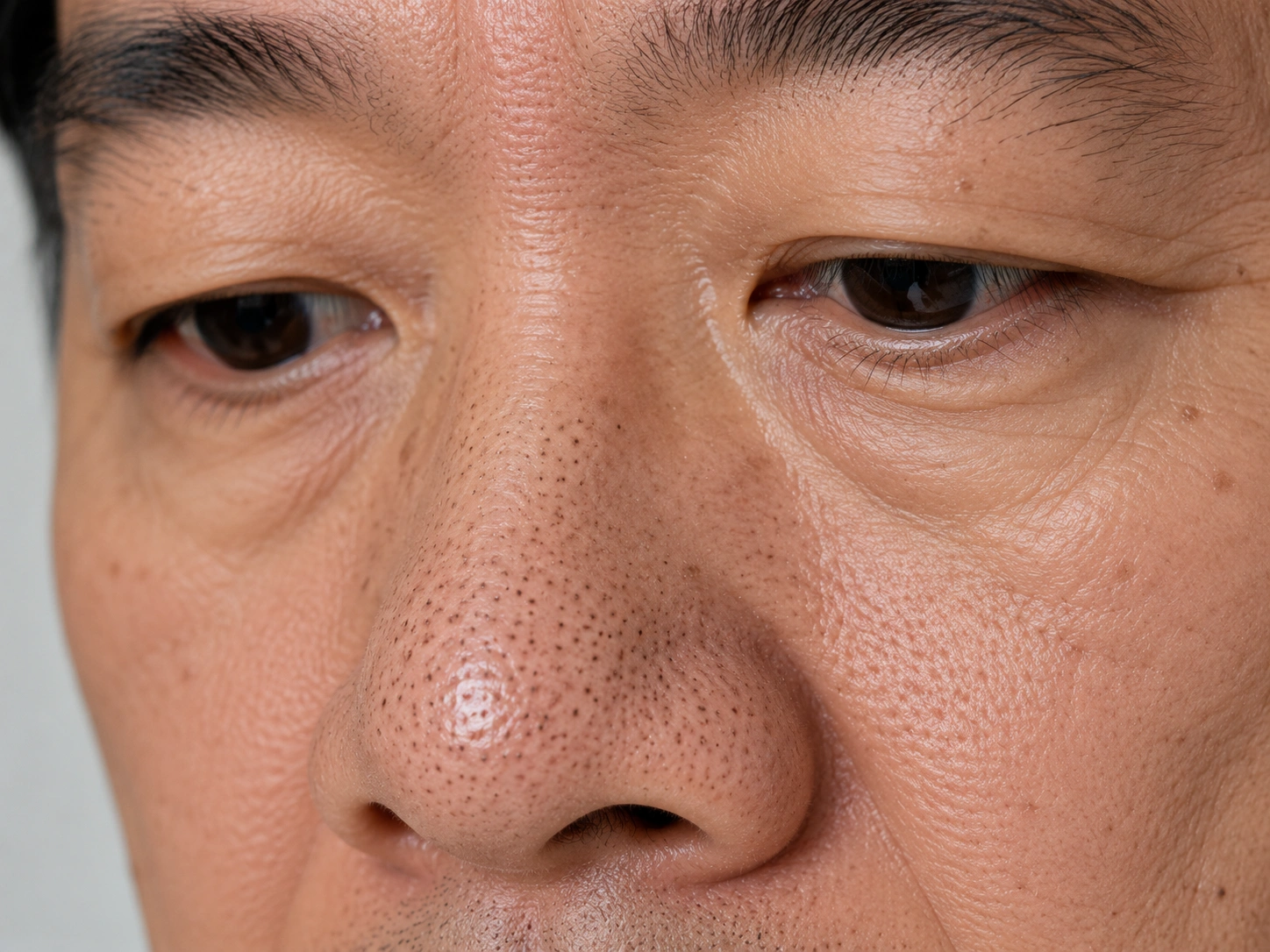
Blackheads, also called open comedones, are a mild, non-inflamed form of acne. Oil (sebum) and dead skin cells build up inside a pore, and the opening stays at the skin’s surface. When the trapped material is exposed to air it oxidises and turns dark. The darkening is the same chemical change that turns a cut apple brown. It is not dirt, which is why scrubbing harder does not remove them.
Blackheads are easy to confuse with sebaceous filaments, the tiny, pale-to-grey dots that line oily pores, especially on the nose. Filaments are a normal part of the pore, and they refill within weeks even after you clear them. A true blackhead is a darker, slightly raised plug. If you are unsure which you have, a doctor can tell you in one look.
If blackheads are part of a wider breakout problem, see our full guide to acne treatment at CLEO clinic.
What Causes Blackheads?
Blackheads form when oil and dead skin cells clog a follicle. Common contributors include:
- Excess oil production: driven by hormones, puberty, the menstrual cycle, stress and Malaysia’s heat and humidity. Learn more in what sebum is and how to balance it.
- Dead skin cells that are not shed: skipping exfoliation, or exfoliating too aggressively, which can trigger more oil.
- Pore-clogging products: heavy moisturisers, sunscreens and make-up. You can check yours with this pore-clogging checker.
- Sweat and oil left on the skin: for example after exercise or wearing a mask or helmet.
- Genetics: larger, oilier pores run in families.
Blackheads show up most on the nose, chin and forehead, the oilier “T-zone”. Our explainer on why the T-zone is oily and how to balance it covers this area in more detail. For Malay readers, there is also cara kecilkan pori muka (Malay).
Blackheads vs. Whiteheads
Both form the same way, as a pore blocked by oil and dead skin cells. The difference is the pore opening. In blackheads it stays open, so the plug darkens. In whiteheads it is closed over by a thin layer of skin, so the plug stays white or flesh-coloured. Whiteheads are harder to extract and more likely to become inflamed if you pick at them.
For a deeper comparison, read whiteheads vs blackheads: what’s the difference, or go straight to how to get rid of whiteheads.
How to Get Rid of Blackheads
Blackhead removal works best as a routine, not a one-off. Expect several weeks of regular use before you see a clear change. The sections below separate what helps, what to avoid and what a doctor can do.
Ingredients That Work
- Salicylic acid (BHA): oil-soluble, so it works inside the pore to dissolve the plug. It is found in cleansers, toners and leave-on treatments. Start with a lower strength and build up if your skin tolerates it.
- Retinoids: adapalene and prescription tretinoin speed up skin cell turnover and help stop plugs forming. They can cause dryness and peeling at first, and they need daily sunscreen. Retinoids are not safe in pregnancy, so tell your doctor if you are pregnant or planning to be. See tretinoin uses and side effects in Malaysia, or cara pakai retinol yang betul (Malay).
- Benzoyl peroxide: most useful when blackheads occur with red, inflamed pimples, because it reduces the bacteria involved.
- Azelaic acid: a gentler option for sensitive skin, though it is less strong on blackheads alone.
- Clay masks: absorb surface oil and leave skin feeling clearer, but they do not remove the plug deep in the pore.
Use one new active at a time, and introduce it slowly, so you can tell what is helping and what is irritating.
Habits That Help
- Cleanse twice a day with a gentle, non-comedogenic cleanser, and again after heavy sweating.
- Exfoliate two to three times a week at most, using a chemical exfoliant rather than a harsh scrub.
- Choose oil-free, non-comedogenic moisturiser, make-up and sunscreen. Never skip sunscreen, because inflammation and sun exposure can worsen oiliness.
- Remove make-up and sunscreen fully at night.
- Change pillowcases and clean phone screens regularly, and avoid touching your face.
Our guides to skincare dos and don’ts with acne and a step-by-step skincare routine show how to put these habits together.
What to Avoid
- Squeezing or popping blackheads: this pushes oil and bacteria deeper, causing inflammation, dark marks and sometimes scars.
- Relying on pore strips: they lift only the top of the plug for a short time, the pore refills, and they can irritate and dry the skin.
- Over-exfoliating or over-drying: a stripped, tight feeling signals damage, and it can make your skin produce more oil.
- Home extraction tools and DIY remedies such as toothpaste, lemon juice or sugar scrubs. They can burn or scar the skin.
Professional Treatment
If home care is not enough, a doctor can step up your treatment:
- Sterile manual extraction: done with proper tools, often after the skin has been softened. It clears blackheads safely, which is very different from squeezing them yourself.
- Prescription retinoids: stronger and better matched to your skin than over-the-counter products.
- Chemical peels: a salicylic acid peel helps clear oil and dead skin from the pores. See our chemical skin peel treatments.
- Microdermabrasion: a gentle, surface exfoliation that can improve blackheads and skin texture. Learn about microdermabrasion at CLEO clinic.
- Hydrafacial: a cleansing, extraction and hydration treatment. Read what a Hydrafacial involves or compare it with microdermabrasion.
Results vary, and the right option depends on your skin type, how many blackheads you have and whether you also have acne. For a general reference on options, see Cleveland Clinic’s guide to getting rid of blackheads.
Can Blackheads Be Prevented?
Not always, especially if you naturally have oily skin, but you can reduce how often they form. Keep up gentle exfoliation, use non-comedogenic moisturiser and sunscreen, remove make-up and sweat before bed, and keep using a pore-clearing ingredient such as salicylic acid or a retinoid even after your skin looks clear. Blackheads usually return when treatment stops.
When to See a Dermatologist
See a doctor if:
- Blackheads persist after several weeks of consistent over-the-counter treatment.
- They are widespread, or appear with painful, red or deep breakouts.
- Home extraction has left you with scars or dark marks.
- You are unsure whether you have blackheads, sebaceous filaments or another condition such as milia (see milia: milk spots, causes and removal).
Bottom Line
Blackheads are clogged pores caused by trapped sebum and dead skin cells that darken on contact with air. They are common, harmless and treatable, and they respond best to patience, a pore-clearing routine and gentle care rather than force. CLEO clinic offers skin assessments by doctors accredited under the Ministry of Health’s Local Credentialing Programme (LCP), and personalised plans for blackheads and acne. Book a free consultation at any of our four branches.
FAQ
Are blackheads caused by dirt? No. They form from oil and dead skin cells that oxidise at the pore opening. Washing more often will not prevent them, and harsh washing can make oiliness worse.
Do pore strips remove blackheads permanently? No. They remove the surface of the plug for a short time, and the pore can clog again within days.
Can blackheads turn into pimples? Yes. If bacteria multiply in a clogged follicle and cause inflammation, a blackhead can become a red, inflamed pimple.
How long does it take to get rid of blackheads? Most pore-clearing products need several weeks of regular use to show a difference, and some people need a few months. Stopping treatment usually brings blackheads back.
Is it safe to squeeze blackheads at home? It is best not to. Squeezing can inflame the pore, spread bacteria and leave marks or scars. A doctor can extract them safely with sterile tools.