Table of Contents
- What Is Dry Skin?
- Dry Skin vs Dehydrated Skin
- Why Dry Skin Happens
- Causes of Dry Skin
- Age and Weather
- Air-Conditioning and Humidity in Malaysia
- Bathing and Cleansing Habits
- Medical Conditions and Medications
- Dry Skin Symptoms
- Common Signs of Dry Skin
- Dry Skin That Looks Like a Rash or Infection
- Dry Skin Treatment and Daily Care
- Moisturisers and Ingredients to Look For
- Bathing and Skincare Routine
- Home Remedies and Habits
- When to See a Doctor
- Dry Skin FAQs
- Is Dry Skin the Same as Eczema?
- Can Dry Skin Be Cured?
- Can Diet Help Dry Skin?
- Does Drinking More Water Fix Dry Skin?
Quick answer: Dry skin is skin that lacks oil, so it feels tight, rough, flaky or itchy. It is common, and it is often made worse by hot showers, harsh cleansers, air-conditioning and age. Simple daily care works for most people: gentle cleansing, a moisturiser suited to your skin, and daily sunscreen. See a doctor if dryness is persistent, painful, spreading or looks like a rash or infection.
What Is Dry Skin?
Dry skin, also called xerosis, is a skin type or condition in which the skin produces less oil than it needs. This weakens the skin barrier, so the skin loses water more easily and feels rough, tight or itchy. Dry skin can affect the face, hands, arms and legs, and it is often more noticeable in cooler or drier conditions.
Dry Skin vs Dehydrated Skin
Dry skin and dehydrated skin are different. Dry skin lacks oil, so it is a skin-type issue that tends to be lifelong. Dehydrated skin lacks water, and it can affect any skin type, including oily skin. Dehydrated skin often looks dull and feels tight, but may still look oily in places. Dehydration responds to hydrating products and water intake, while dry skin needs regular moisturising with ingredients that support the barrier. Read our guide to kulit kering: punca dan cara melembapkan for more on the Malay terms and causes.
Why Dry Skin Happens
Healthy skin holds water in its outer layer, supported by natural oils and the skin barrier. When the barrier is weakened by low oil production, harsh cleansing, cold or dry air, or inflammation, water escapes and the skin becomes dry. Our guide to skin barrier damage and repair explains this process in more detail.
Causes of Dry Skin
Age and Weather
Oil production falls with age, so dry skin becomes more common over time, especially after the age of 40. Cold, windy or dry weather also strips moisture from the skin. Malaysia’s tropical climate is humid outdoors, but people often move between hot outdoor air and cool indoor spaces, which can still make skin dry.
Air-Conditioning and Humidity in Malaysia
Air-conditioning removes moisture from indoor air, which can dry the skin during long hours in offices, cars and shopping centres. Even in a humid country, the skin can feel dry indoors. Using a humidifier, drinking water regularly and applying moisturiser before going into air-conditioned spaces can help.
Bathing and Cleansing Habits
Hot showers, long baths, strong soaps and scrubbing can remove the natural oils the skin needs. Cleansers with harsh surfactants can also weaken the barrier. Choose lukewarm water, short showers and a gentle, fragrance-free cleanser.
Medical Conditions and Medications
Some conditions, including eczema, thyroid problems and diabetes, can cause persistent dryness. Some medicines, such as certain acne treatments, diuretics and some cholesterol-lowering drugs, may also dry the skin. If dryness is new, severe or does not respond to care, tell your doctor so the cause can be checked. For eczema specifically, read our guide to ekzema: punca, gejala dan rawatan berkesan.
Dry Skin Symptoms
Common Signs of Dry Skin
- Tight feeling, especially after washing
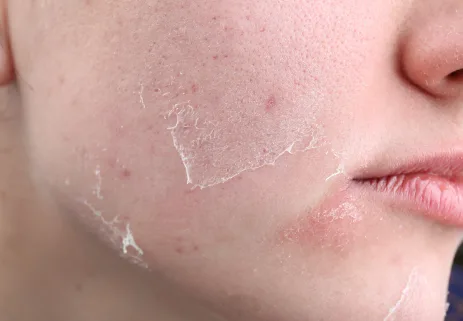
- Rough, flaky or scaly patches
- Itching or mild irritation
- Dull appearance and fine lines that look more visible
- Cracks or sensitivity in areas such as the hands, elbows and shins
Dry Skin That Looks Like a Rash or Infection
Dry skin can sometimes look like a rash, eczema, fungal infection or another skin condition. Warning signs include redness that spreads, blisters, pus, bleeding, cracks that do not heal, a strong smell, or patches with well-defined edges. See a doctor if you are unsure, since these can need different treatment. Our guide to skin conditions, symptoms and treatments can help you compare possibilities.
Dry Skin Treatment and Daily Care
Moisturisers and Ingredients to Look For
Use a moisturiser suited to your skin, applied while the skin is still slightly damp to lock in water. Look for ingredients that support the barrier and hydration, such as ceramides, glycerin, hyaluronic acid and petrolatum. Choose fragrance-free products if your skin is sensitive, and patch test new products on a small area first. For product ideas, see our guide to the best hand creams for dry skin in Malaysia.
Bathing and Skincare Routine
- Take short showers in lukewarm water.
- Use a gentle, fragrance-free cleanser, once or twice a day.
- Pat the skin dry rather than rubbing it.
- Moisturise within a few minutes of bathing.
- Apply sunscreen every morning, even indoors.
Keep the routine simple and consistent. Our guide to how to use skincare in the right order shows a basic routine you can adapt.
Home Remedies and Habits
- Use a humidifier in air-conditioned rooms.
- Keep your home and workspace comfortable rather than very cold.
- Avoid scratching, which can damage the barrier and worsen itch.
- Use gloves when cleaning with hot water or harsh products.
- Stay hydrated, but do not expect water alone to fix dry skin.
When to See a Doctor
See a doctor if dryness is severe, painful, persistent despite good care, spreading, or accompanied by redness, swelling, blisters, bleeding or signs of infection. A doctor can check for eczema, fungal infection or other causes, and recommend a suitable treatment plan. For a broader guide to when to get medical help for skin problems, read important questions to ask a dermatologist.
Dry Skin FAQs
Is Dry Skin the Same as Eczema?
No. Dry skin is a common skin condition caused by low oil or moisture, while eczema is an inflammatory condition that often itches and can flare with triggers. Dry skin can sometimes develop into eczema, and a doctor can tell the difference.
Can Dry Skin Be Cured?
Dry skin is usually a lifelong skin type, but it can be managed well with consistent care. Results depend on the cause, and some people need stronger treatment for medical conditions.
Can Diet Help Dry Skin?
A balanced diet supports overall skin health, but diet alone rarely fixes dry skin. Some people find that healthy fats and enough protein help, but there is no single food that cures it. Read our guide to foods to eat and avoid for eczema if your dryness is linked to eczema.
Does Drinking More Water Fix Dry Skin?
Drinking enough water supports general health, but it does not directly fix dry skin. Dry skin is mainly about oil and the barrier, so moisturising and gentle care matter more than water intake alone.
Disclaimer: The information on this page is for educational and informational purposes only and does not constitute medical advice or establish a doctor-patient relationship. Persistent, severe or unusual skin changes should be checked by a qualified doctor. Individual results vary.