Table of Contents
- What Does Ultherapy Prime Feel Like?
- What Do Studies Say About Pain?
- Ways Clinics Reduce Discomfort
- What Affects How Painful It Feels
- How to Prepare to Feel More Comfortable
- Is the Pain Worth It?
- Frequently Asked Questions
- Is Ultherapy Prime more painful than HIFU?
- Do I need anaesthesia for Ultherapy Prime?
- Will I have pain after treatment?
Quick answer: Ultherapy Prime can cause discomfort, but most people describe it as tolerable rather than severe. Sensations usually include warmth, tingling, or a pressing feeling as the ultrasound reaches deeper layers of skin. Clinical studies of similar micro-focused ultrasound treatments report mean pain scores in the moderate range, and topical numbing usually reduces discomfort. Pain varies by person, treatment area and how much energy is used, so a doctor should explain your options before treatment. For the full treatment overview, see our Ultherapy PRIME treatment page.
Many people considering Ultherapy PRIME ask about pain before anything else. Pain is personal, and it depends on the area treated and your tolerance, but there is useful evidence on what to expect and how clinics manage it. This guide explains the sensation, what the research shows, and what you can do to make treatment more comfortable.
What Does Ultherapy Prime Feel Like?
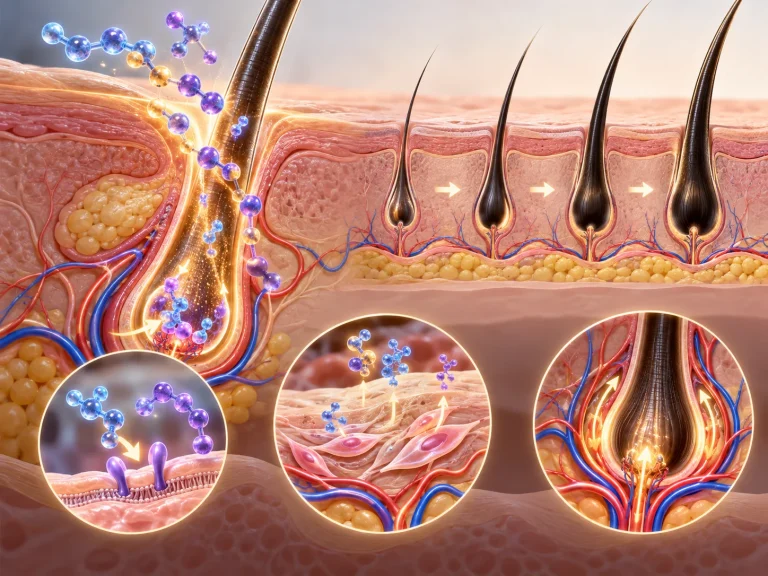
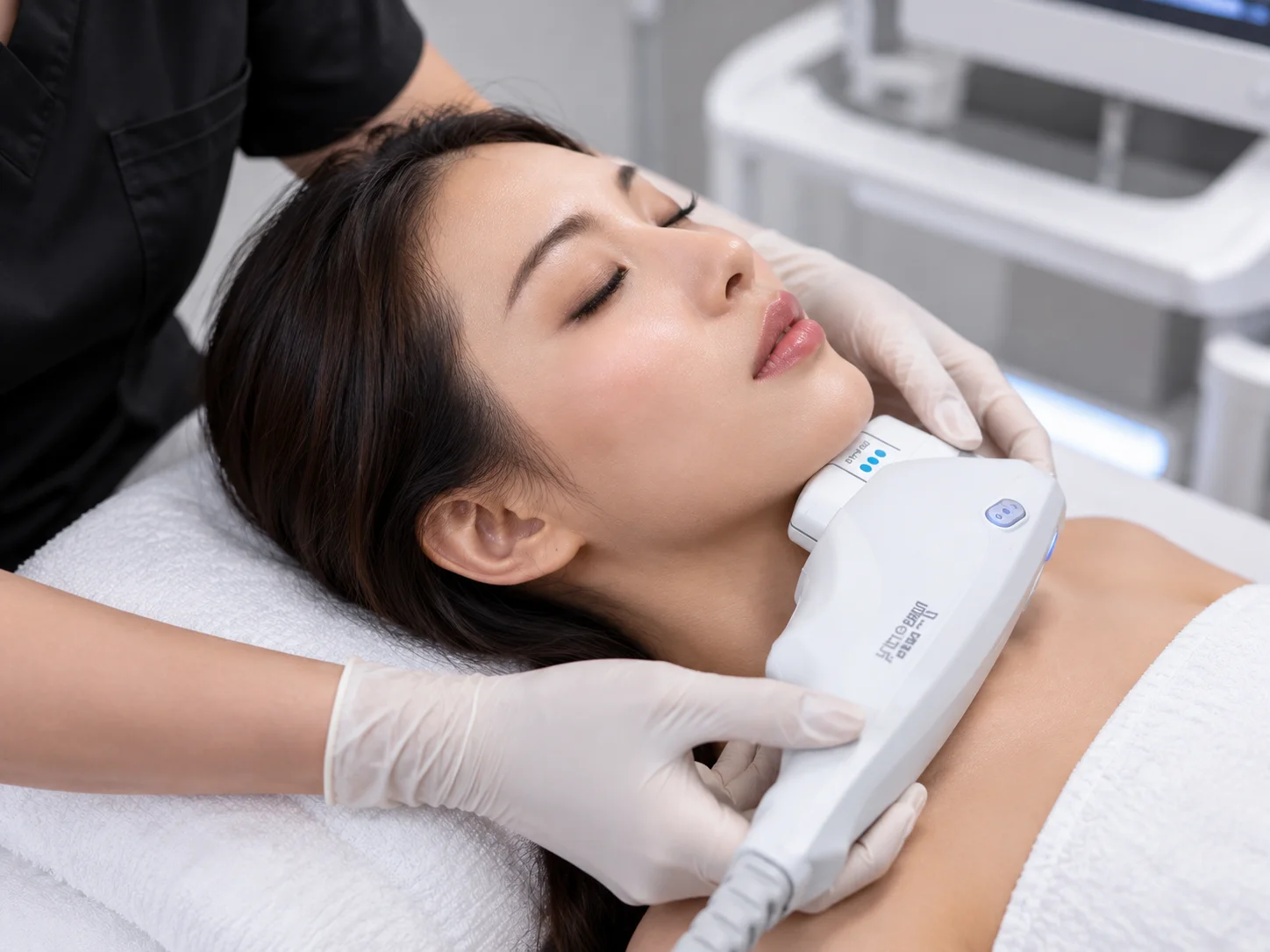
Ultherapy PRIME uses micro-focused ultrasound with visualisation, which delivers energy to targeted depths beneath the skin. Most people feel a series of short pulses or pressure, along with warmth. Thinner areas such as the brow and around the eyes tend to feel more sensitive, while areas with more tissue, such as the cheek and neck, may feel different. Discomfort usually builds during the session and eases once the treatment is complete.
What Do Studies Say About Pain?
In a study of micro-focused ultrasound treatments, topical anaesthetic cream was used alongside treatment, with average pain scores around 3 out of 10 on a visual scale (systematic review of pain management in focused ultrasound skin tightening). Other studies have reported higher scores when no combined pain control was used, showing that the approach to pain management makes a real difference. A split-side study of capsaicin gel with topical anaesthesia also found lower pain scores in treated areas than with anaesthesia alone (Skin Research and Technology: capsaicin gel for pain during microfocused ultrasound).
These studies used similar devices and protocols rather than Ultherapy PRIME alone, so the figures are a guide, not a promise.
Ways Clinics Reduce Discomfort
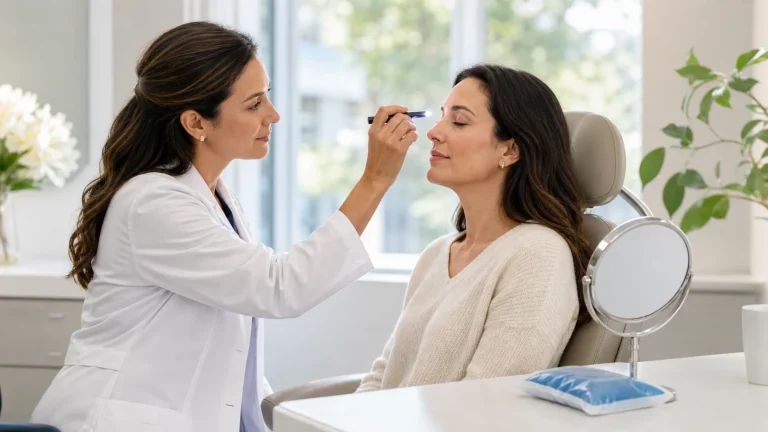
- Topical numbing cream: applied before treatment, often for around 30 minutes.
- Pain relief medicine: oral medicine may be suggested by your doctor if appropriate.
- Gas-based relief: some clinics use nitrous oxide, which has been studied for pain reduction during this type of treatment (split-face study of nitrous oxide during micro-focused ultrasound).
- Gradual energy settings: the doctor can adjust energy and depth to your tolerance and the area.
What Affects How Painful It Feels
- The area treated, with thin or bony areas often more sensitive
- Your personal pain threshold and anxiety levels
- The number of lines and depths used in the session
- Whether numbing is applied and how long it is left on
- Your skin sensitivity and any previous treatments
How to Prepare to Feel More Comfortable
- Tell your doctor about any pain concerns before the session.
- Avoid alcohol and blood-thinning medicines beforehand, unless your doctor advises otherwise.
- Eat before your appointment, and plan to rest afterwards.
- Ask about the numbing method and how long it will take to work.
Is the Pain Worth It?
Pain is one factor in a wider decision. Results develop over several months, and treatment outcomes depend on your skin laxity, your goals and your doctor’s assessment. Discuss expected results and the timeline, as covered in our guide to Ultherapy PRIME results timeline.
Frequently Asked Questions
Is Ultherapy Prime more painful than HIFU?
People often describe them as similar in feel, but the experience differs by device, settings and the area. A doctor can explain how the two compare for your skin.
Do I need anaesthesia for Ultherapy Prime?
Topical numbing is commonly used. Stronger options are rarely needed, but your doctor will decide what is appropriate.
Will I have pain after treatment?
Most people have mild warmth or tenderness for a short time. Tell your clinic if pain is severe or lasts longer than expected.
To discuss pain control for your treatment, contact CLEO clinic or read about our doctors.
Disclaimer: The information on this page is for educational and informational purposes only and does not constitute medical advice or establish a doctor-patient relationship. Pain experiences vary, and study figures come from similar devices rather than Ultherapy PRIME alone. Please consult a qualified healthcare professional for a medical assessment before treatment.