Table of Contents
- What Are Polynucleotides?
- Plinest vs Rejuran at a Glance
- Where Each Polynucleotide Comes From
- How the Product Ranges Differ
- What Each One Is Used For
- What the Evidence Shows
- Plinest vs Rejuran: Which Should You Choose?
- Downtime and Results
- Other Comparisons
- Frequently Asked Questions
- Is Plinest better than Rejuran?
- Are Plinest and Rejuran the same?
- Which one is good for scars?
- Do they cause downtime?
Quick answer: Plinest and Rejuran are both polynucleotide skin boosters used to support skin quality, hydration and repair. They differ in brand, source and product range. Plinest is made by Mastelli in Italy from trout-derived polynucleotides, and Rejuran is made by PharmaResearch in Korea from salmon-derived polynucleotides. There is no published head-to-head trial comparing the two, so the choice depends on your skin, your goals and your doctor’s experience. For the full overview, see our plinest injection page.
Plinest and Rejuran are two of the most popular polynucleotide skin boosters in Malaysia. Their names are easy to confuse, and both are often described in similar terms. This simple guide explains the main differences, what each product range is used for, and what the evidence does and does not show.
What Are Polynucleotides?
Polynucleotides are DNA fragments used in skin treatments. Clinics use them to support fibroblasts, the cells that make collagen and elastin, and to support hydration and skin repair. Each brand has its own source, purification process and formulation, so results can differ even when the main ingredient sounds similar.
Plinest vs Rejuran at a Glance
| Feature | Plinest | Rejuran |
|---|---|---|
| Manufacturer | Mastelli, Italy | PharmaResearch, Korea |
| Source | Trout-derived polynucleotides | Salmon-derived polynucleotides |
| Purification | Mastelli’s PN-HPT process | Manufacturer’s own process |
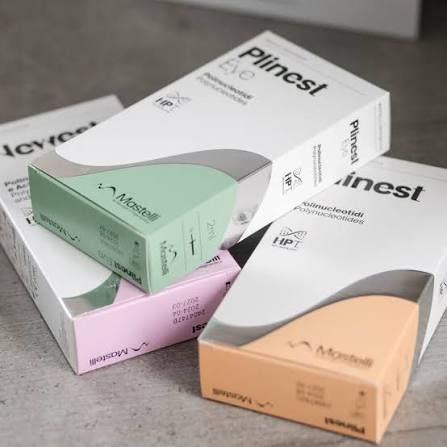
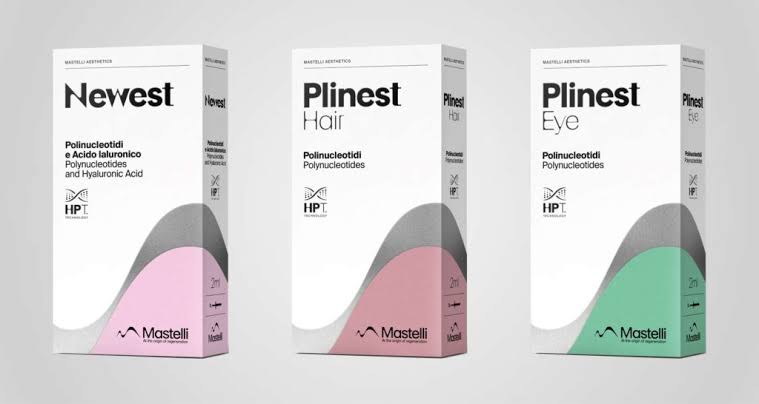
| Product range | Plinest, Plinest Fast, Newest (with hyaluronic acid), Newest One, Plinest Eye and others | Rejuran Healer, Rejuran i, Rejuran HB (with hyaluronic acid) and Rejuran S |
| Main focus | Skin quality, hydration and repair | Skin quality, hydration, repair and scars (depending on the variant) |
Where Each Polynucleotide Comes From
Plinest is made from trout-derived polynucleotides, while Rejuran uses salmon-derived polynucleotides. Both are fish-derived sources, and each manufacturer describes its product as highly compatible with human tissue. The source alone does not decide how well a product works, since purification and dosing matter too.
How the Product Ranges Differ
Plinest offers a few variants. Plinest is the polynucleotide gel on its own, Newest adds hyaluronic acid for extra hydration, and Plinest Fast and Plinest Eye are positioned for specific areas. Rejuran has a similar structure: Healer is the classic option, Rejuran i is positioned for the eye area, Rejuran HB includes hyaluronic acid, and Rejuran S is positioned for scars and texture. Your doctor will explain which variant suits your concern.
What Each One Is Used For
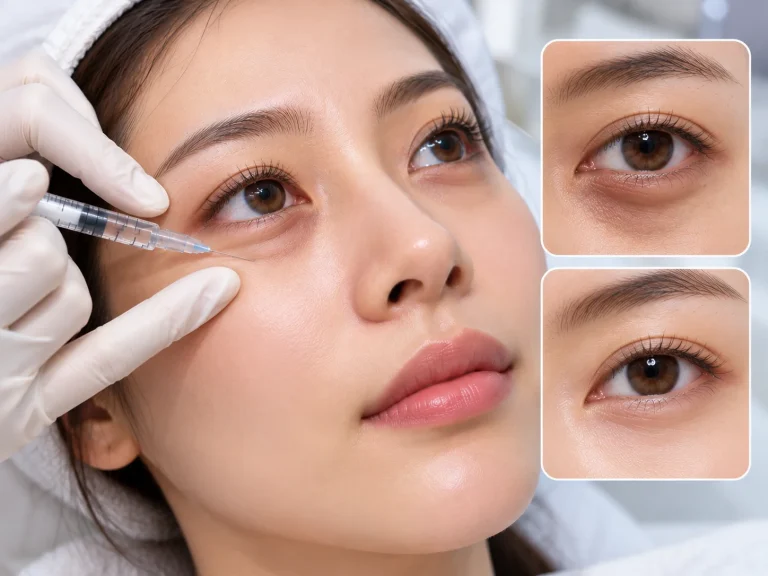
Both are used for skin quality, hydration and fine-line concerns. Rejuran S is commonly used for atrophic scars, and Plinest variants are commonly used for skin texture and radiance. Many clinics also use these products for under-eye concerns, but dark circles often have causes that a skin booster does not change. Read our tear trough filler guide and dark circles guide before choosing treatment for that area.
What the Evidence Shows
Rejuran has a longer history on the market and has been studied in several clinical settings. For example, a study used a Rejuran-S formulation for volume loss in patients, and reported improvements under medical supervision (case series of polynucleotide injection for fat atrophy). Plinest also has clinical support from the manufacturer and some published work, but independent head-to-head comparisons between the two products have not been published. Treat any claim that one product is clearly better than the other with caution.
Plinest vs Rejuran: Which Should You Choose?
- Choose based on the area and goal: the right variant matters more than the brand name.
- Consider hyaluronic acid: if extra hydration is your priority, the variants that include it, such as Newest or Rejuran HB, may suit you better.
- Consider scars: Rejuran S is positioned for scar and texture concerns, so ask your doctor about it for atrophic scars.
- Consider your doctor’s experience: the outcome depends on technique, product choice and aftercare as much as the brand.
Downtime and Results
Both are usually performed as a short series of sessions, with little downtime. Redness, small bumps and mild swelling are common for a few days. Visible changes build over several weeks, and maintenance is often planned. For what to expect, read our guides to your first Rejuran treatment and Rejuran results timeline.
Other Comparisons
If you are comparing skin boosters more broadly, read our guides to Rejuran vs Sunekos, Profhilo vs Rejuran and what a skin booster really does.
Frequently Asked Questions
Is Plinest better than Rejuran?
There is no published head-to-head trial that shows one is better. The right choice depends on your skin, your goal and your doctor’s assessment.
Are Plinest and Rejuran the same?
No. They are different brands, from different manufacturers, with different sources and product ranges, even though both are polynucleotide products.
Which one is good for scars?
Rejuran S is positioned for scar concerns. Scar type and depth determine whether a skin booster is suitable, so discuss options with your doctor.
Do they cause downtime?
Downtime is usually minimal. Redness and small bumps often settle within a few days.
To find out which polynucleotide suits your skin, contact CLEO clinic or read about our doctors. For the full Plinest overview, see our plinest injection page.
Disclaimer: The information on this page is for educational and informational purposes only and does not constitute medical advice or establish a doctor-patient relationship. Plinest and Rejuran are medical injectables and must only be administered by a qualified doctor. Individual results vary, and all treatments carry risks. Please consult a qualified healthcare professional for a medical assessment before treatment.