Table of Contents
- What Is GHK-Cu?
- GHK-Cu Structure: Copper and Tripeptide Explained
- How GHK-Cu Levels Change With Age
- GHK-Cu Benefits and Clinical Evidence
- Collagen Production Studies
- Wrinkles, Texture and Skin Repair
- Limitations of Current Research
- GHK-Cu for Hair Growth: What the Evidence Shows
- GHK-Cu for Redness, Wound Healing and Other Uses
- Redness and Sensitive Skin
- Wound Healing Research
- Skin Texture and Hydration Reports
- What to Expect From GHK-Cu: Results Timeline
- GHK-Cu Forms and Uses
- Topical Skincare Products
- Injectable GHK-Cu
- GHK-Cu Safety and Side Effects
- Common Side Effects and Skin Reactions
- Risks of Unregulated Injectable Products
- Dosing: Why We Do Not Provide Dose Guidance
- Who Should Avoid GHK-Cu
- GHK-Cu Regulation and Availability in Malaysia
- Product Registration Status
- Checking Products With NPRA
- GHK-Cu vs Other Skin Treatments
- GHK-Cu vs Retinoids
- GHK-Cu vs Clinic Skin Boosters and Microneedling
- Frequently Asked Questions
- Is GHK-Cu Safe?
- Does GHK-Cu Work for Wrinkles?
- Is GHK-Cu Approved by the FDA?
- What should I ask my doctor about GHK-Cu?
Quick answer: GHK-Cu is a naturally occurring copper-binding peptide made of three amino acids, glycine, histidine and lysine. Levels in the blood fall with age, and laboratory and small human studies suggest it may support collagen production and skin repair. Most of the evidence comes from cell studies, animal work and early trials, so it is not an established anti-ageing treatment. GHK-Cu is not FDA-approved for any skin indication. Injectable products sold online carry real risks, including infection, contamination and unknown dosing.
GHK-Cu has become a popular ingredient in serums, microneedling add-ons and clinic menus, often promoted with dramatic claims. The research behind it is more interesting than the marketing suggests, but it is also far from complete. This guide explains what GHK-Cu is, what the evidence shows for skin, the safety concerns with topical and injectable products, and what to ask your doctor before trying it.
What Is GHK-Cu?
GHK-Cu, also called copper tripeptide-1, is a small peptide that binds a copper ion. It was first identified in human plasma in the 1970s and is found in blood, saliva and urine. Because it is naturally present in the body, researchers have studied it as a possible signalling molecule involved in tissue repair.
GHK-Cu Structure: Copper and Tripeptide Explained
The peptide itself is a chain of three amino acids: glycine, histidine and lysine, written as GHK. The copper ion attached to it, written as Cu, is thought to be important for its activity, since copper is required for enzymes that cross-link collagen and elastin. This structure explains why products often list both the peptide and the copper. The copper complex is not the same as a copper supplement, and it should not be assumed to be safe at any dose.
How GHK-Cu Levels Change With Age
Plasma levels of GHK are reported to fall with age. One review describes levels of about 200 ng/mL at age 20 and about 80 ng/mL by age 60, and links this decline to a reduced capacity for skin repair (PMC: Regenerative and protective actions of the GHK-Cu peptide). These figures come from older human studies, and the size of the decline varies across research, so they should be read as approximate.
GHK-Cu Benefits and Clinical Evidence
Collagen Production Studies
Laboratory studies using human skin cells have shown that GHK-Cu can increase production of collagen and elastin at low concentrations. Animal studies have reported faster wound healing with GHK-Cu-containing dressings. These findings are important for understanding mechanism, but cell and animal results do not automatically translate into effects on human skin.
A broader review of GHK-Cu describes its role in skin regeneration, including effects on collagen remodelling and inflammation, but it also notes that much of the evidence is preclinical (PMC: GHK peptide as a natural modulator of skin regeneration).
Wrinkles, Texture and Skin Repair
Some small human studies of topical GHK-Cu have reported improvements in skin firmness, fine lines and texture over several weeks. These studies are generally small, short and sometimes funded by manufacturers. Improvements are usually modest, and they are not comparable to the results of prescription retinoids or procedures that stimulate collagen directly. Topical benefits depend on the formula, the concentration and how well the peptide penetrates the skin.
Limitations of Current Research
The main limitation is the lack of large, independent, long-term human trials. Many claims in marketing come from cell studies or from research on wound healing in animals. Product formulations vary widely, so one brand’s results do not show what another will achieve. Claims about hair growth, hyperpigmentation or muscle repair also rest on limited human evidence and should be viewed cautiously.
GHK-Cu for Hair Growth: What the Evidence Shows
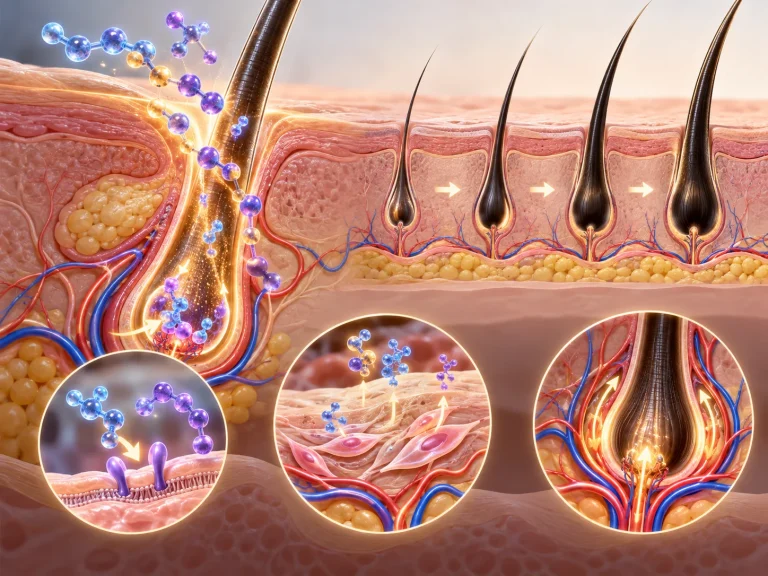
GHK-Cu is also promoted for hair and scalp health. Laboratory and scalp studies suggest it may influence follicle activity and blood supply, but human trials that measure hair count or density are lacking. Topical hair products containing GHK-Cu are sold as cosmetics, and their effect on hair loss has not been proven in large clinical studies. For established options, read our guides to topical minoxidil 2% vs 5% and PRP for hair loss, and read our broader guide to peptides for hair growth.
GHK-Cu for Redness, Wound Healing and Other Uses
Redness and Sensitive Skin
Some marketing describes GHK-Cu as calming for redness or rosacea-prone skin. The evidence for this is limited to small studies and product reports, and it does not replace medical treatment. If you have persistent redness, see a doctor for a diagnosis first, since rosacea and other conditions need specific treatment. Our guide to rosacea symptoms, triggers and control explains the differences.
Wound Healing Research
Animal studies have examined GHK-Cu for wound healing, reporting effects on blood vessel formation and tissue repair. These are preclinical findings. Wounds, burns and infected skin need proper medical care, and a peptide product should never replace clinical wound management.
Skin Texture and Hydration Reports
Many product reviews describe smoother texture and better hydration after using GHK-Cu serums. These reports are often subjective and rarely include controlled measurements, so they should be treated as user experience rather than proof.
What to Expect From GHK-Cu: Results Timeline
Clinical and cosmetic reports describe changes over several weeks for topical use, with fuller changes taking months. Because most studies are short and small, there is no standard timeline that applies to everyone. If you try a topical product, judge results after a consistent routine of about 8 to 12 weeks, take photos in the same light, and stop if irritation develops. A doctor can help you decide whether any change is meaningful for your skin.
GHK-Cu Forms and Uses
Topical Skincare Products
Most people encounter GHK-Cu in serums, creams and masks. Topical cosmetic products are generally regulated as cosmetics rather than drugs, which means their claims and ingredient concentrations are not checked the way a medicine’s would be. Look for a clear ingredient list and a manufacturer you can verify. Patch-test any new product and stop using it if irritation develops.
Injectable GHK-Cu
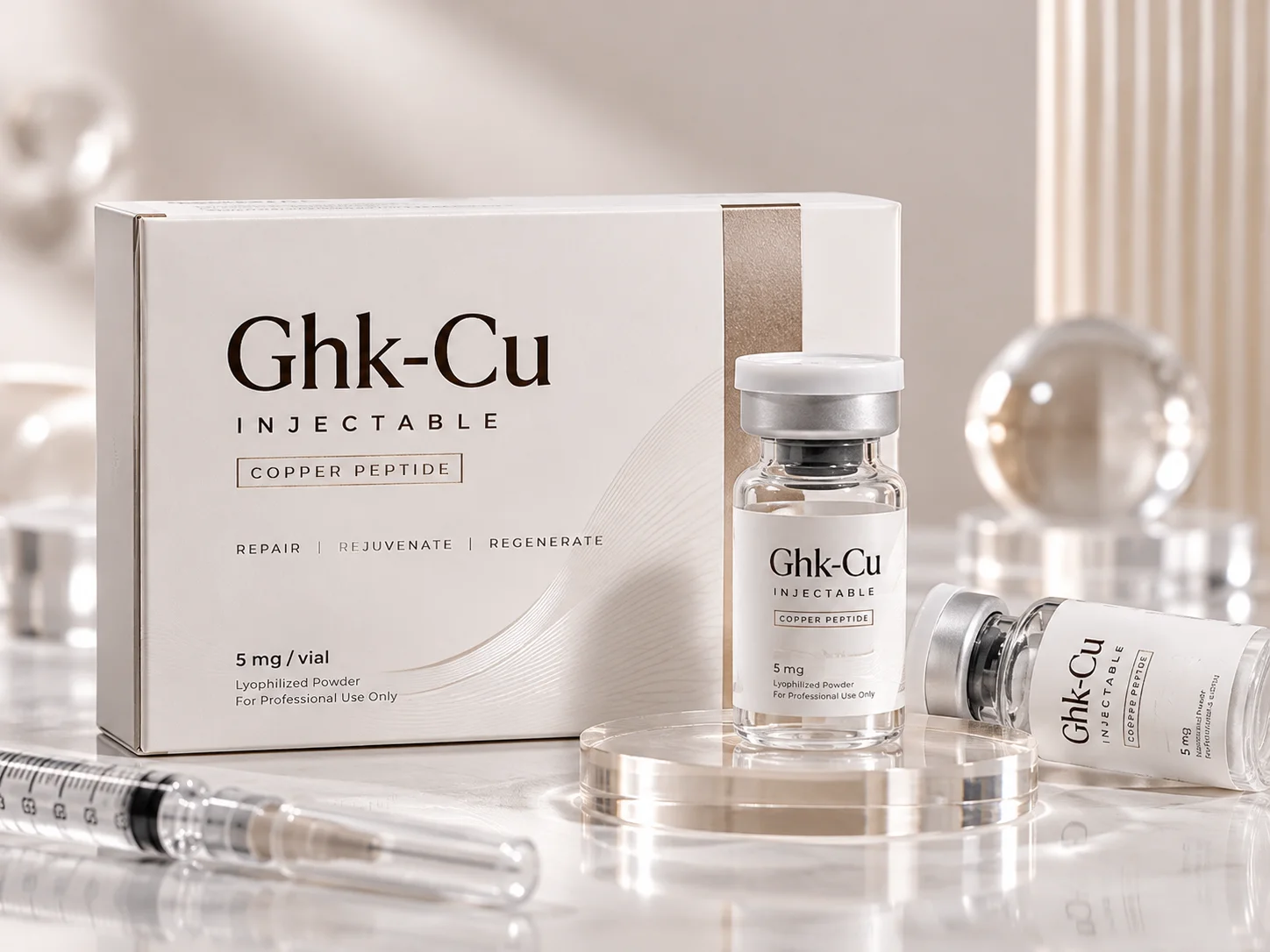
Injectable GHK-Cu is marketed by some clinics and online sellers for skin rejuvenation, hair or general wellness. These products are not approved by the FDA for any indication. Human safety data for injections are limited, and the product quality depends heavily on where it was made and how it was handled. Injectables carry risks that topical products do not, including infection, allergic reactions and unpredictable dosing.
GHK-Cu Safety and Side Effects
Common Side Effects and Skin Reactions
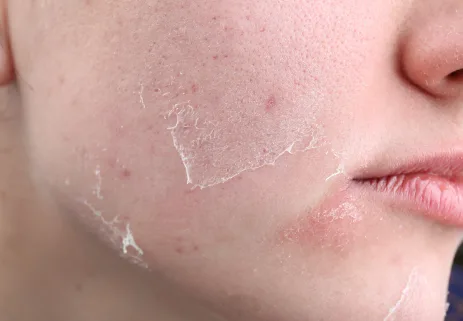
Topical GHK-Cu is generally well tolerated in the studies reported so far. Reported effects are usually mild and include redness, itching or stinging. People with copper sensitivity or the rare copper metabolism disorder Wilson disease should speak to a doctor before using any copper-containing product. Stop using a product if you develop a rash, swelling or persistent irritation.
Risks of Unregulated Injectable Products
The greatest risk is injectable product sold outside medical supervision. Peptide injections bought online may be made in unregulated conditions, which raises the risk of contamination, bacterial infection, incorrect dosing and the presence of ingredients that are not listed. Infections from unsterile injections can be serious and may need urgent treatment. The US Food and Drug Administration has repeatedly warned that unapproved peptide products carry risks, and it has taken enforcement action against some sellers of research-use-only peptides (Kelley Drye on FDA peptide compounding and enforcement).
Avoid any product labelled research-use-only or not for human consumption. These products have not been made or tested for human use.
Dosing: Why We Do Not Provide Dose Guidance
Online sources often publish GHK-Cu doses, injection schedules and reconstitution calculations. We do not provide these, because no dose has been established for safety or effectiveness in human skin, and self-dosing injectable products is one of the main ways people are harmed. Any treatment dose should be set by a doctor who has examined you and can monitor the result.
Who Should Avoid GHK-Cu
Speak to a doctor before use if you are pregnant or breastfeeding, have a copper-related condition such as Wilson disease, have a history of allergic reactions to cosmetic ingredients, have an active skin infection or wound, or are considering an injection of any kind. If you have a chronic skin condition, check with your dermatologist before adding a new peptide.
GHK-Cu Regulation and Availability in Malaysia
Product Registration Status
In Malaysia, medicines and many health products must be registered with the National Pharmaceutical Regulatory Agency (NPRA). Topical cosmetic products are regulated separately, and their ingredient claims should be checked against the product label. Injectable GHK-Cu should not be used unless it is a registered product supplied through a licensed clinic with a clear prescribing and sourcing record.
Checking Products With NPRA
Use the Product Search function on the NPRA website to check whether a medicine or product is registered. Ask your clinic for the product name, batch number, manufacturer and registration status before any treatment. If a seller cannot provide these details, do not use the product.
GHK-Cu vs Other Skin Treatments
GHK-Cu vs Retinoids
Prescription retinoids such as tretinoin have a long track record and strong evidence for fine lines, sun damage and acne. GHK-Cu has less human evidence and is not a replacement for a retinoid. If you are considering a copper peptide serum, it is better used as a supplement to a proven routine than as a substitute. Read our guide to tretinoin uses and side effects for comparison.
GHK-Cu vs Clinic Skin Boosters and Microneedling
Clinic treatments such as skin boosters, microneedling and collagen stimulators have more clinical data behind them than most topical peptides and are performed under medical supervision. They work through different mechanisms and have their own risks. For an overview of collagen-based options, see our article on collagen biostimulators, or read about microneedling and RF microneedling.
Frequently Asked Questions
Is GHK-Cu Safe?
Topical GHK-Cu is generally well tolerated in the studies reported so far, but long-term human safety data are limited. Injectable GHK-Cu from unregulated sources carries serious risks, including infection and unknown dosing. Only consider injectables from a licensed clinic after a full medical assessment.
Does GHK-Cu Work for Wrinkles?
Some small studies of topical GHK-Cu report modest improvements in firmness and fine lines. The evidence is limited and varies by product. It is not comparable to established treatments such as retinoids or injectables, so expectations should be realistic.
Is GHK-Cu Approved by the FDA?
No. GHK-Cu is not FDA-approved as a drug for any indication. Topical products are regulated as cosmetics. Its status for compounding has been under review, and sources disagree about its current category, so check the FDA website for the latest position before relying on any injectable product.
What should I ask my doctor about GHK-Cu?
Ask what the product is and where it is sourced, whether it is registered in Malaysia, what human evidence supports its use, what the risks are and how the treatment will be monitored. If the answers are unclear, do not proceed.
To discuss whether a peptide-based treatment suits your skin, contact CLEO clinic or read about our doctors.
Disclaimer: The information on this website is for educational and informational purposes only and does not constitute medical advice or establish a doctor-patient relationship. Individual results may vary. All treatments carry risks. Please consult a qualified healthcare professional for a medical assessment before undergoing any treatment.